

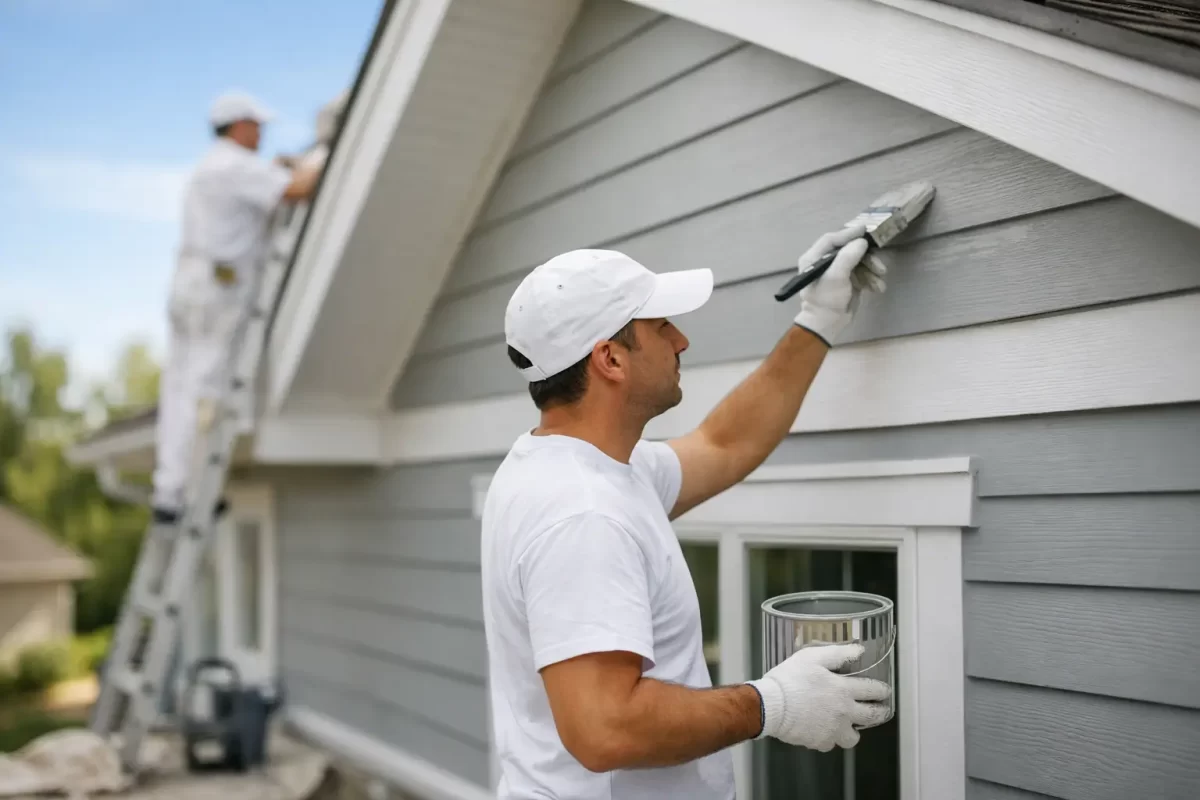
A fresh exterior can lift the whole look of a property, but the finish only holds up when the work underneath is done properly. The best exterior painting techniques are not about rushing paint onto a wall. They start with careful preparation, the right products for the surface, and an approach that suits local weather, sun exposure and the age of the building.
Why exterior painting techniques matter
Outside surfaces take a beating. Sun, rain, salt in the air, moisture, dust and movement in the substrate all work against the coating system. A house or commercial frontage might look fine on day one with almost any paint job, but the difference shows up six months or two years later when peeling, blistering and early fading start to appear.
That is why professional results come from a sequence, not a shortcut. Good exterior work protects the building as much as it improves appearance. It also helps avoid the cost and frustration of repainting sooner than expected.
Surface preparation comes first
If there is one step that decides the result, it is prep. Paint needs a clean, sound surface to bond to. Without that, even premium products will struggle.
Most exterior surfaces collect chalky residue, mould, dirt and airborne grime. These need to be removed before any sanding or coating begins. On the Gold Coast and in Tweed, moisture and humidity can also encourage mould growth, especially on shaded walls and southern sides of a property. Painting over it is a short-term fix that usually comes back through the coating.
Loose and flaking paint must be scraped back, and edges should be feather-sanded so the new finish does not telegraph every patch underneath. Cracks, gaps and minor surface damage also need attention. This is where the job becomes more than paint application. Filling, sealing and, in some cases, plaster repair or substrate repair are what create a finish that looks clean and stays that way.
Preparation varies by material. Timber weatherboards often need more sanding and spot-priming. Render can need patching and time to cure. Previously painted masonry may need washing, sealing or stain treatment before recoating. Metal surfaces need rust addressed fully, not just painted over.
Matching the technique to the surface
Not all exteriors should be painted the same way. One of the biggest mistakes in residential and commercial painting is using the same process across every substrate.
Timber
Timber expands and contracts with temperature and moisture. That movement means the coating needs flexibility, and the surface needs special attention around joints, knots and end grain. Spot-priming bare areas is critical, especially where raw timber has been exposed by sanding or weathering. If water can get into timber, coating failure follows quickly.
Masonry and render
Masonry surfaces can hold moisture and often have a porous texture. They usually need a sealer or primer that evens out absorption before topcoats go on. If that step is skipped, the final finish can look patchy, and the paint may not cure evenly. Render also highlights roller marks and lap lines if application is inconsistent.
Metal
Metal needs a different system again. Rust treatment, proper sanding and a suitable primer are essential. On gates, railings and commercial metal surfaces, adhesion matters just as much as appearance. A neat topcoat means little if it starts lifting around rust spots or joins.
Primers are not optional extras
A lot of property owners understandably focus on topcoat colour and sheen, but primer is where the long-term performance starts. The right primer improves adhesion, helps block stains, seals porous surfaces and creates a more even finish.
This is one of the more overlooked exterior painting techniques because primers are not the part anyone sees. Still, they do much of the heavy lifting. Bare timber, repaired areas, metal, masonry and surfaces with old stains all call for different primer choices. Using a general product where a specialised one is needed can shorten the life of the whole job.
In practice, it depends on what is already on the surface and what condition it is in. A sound previously painted wall may only need spot-priming in repaired areas. A heavily weathered exterior may need a fuller priming system to bring the surface back to a stable base.
Brush, roller or spray?
People often ask which method is best. The honest answer is that each has a place.
Brushing
Brushing works well for detailed timber, trims, corners and areas where paint needs to be worked into the surface. It gives control and helps with coverage on profiles and edges. It is slower, but sometimes slower is exactly what the surface requires.
Rolling
Rolling is commonly used on broad wall areas, especially render and masonry. It can provide even coverage and a consistent film build when used correctly. The key is maintaining a wet edge and applying paint at the right spread rate. Overworking the roller or stretching the paint too far leads to uneven texture and weak coverage.
Spraying
Spraying can produce a smooth, efficient finish, especially on large exteriors and commercial projects. But it is not simply the fastest option. It requires careful masking, weather awareness and, in many cases, back-rolling or back-brushing to work the paint into the surface properly. In windy conditions or near neighbouring properties, spraying may not be the right choice at all.
A professional approach often uses a combination. Trim may be brushed, walls rolled, and selected sections sprayed where it suits the substrate and site conditions.
Timing matters more than most people think
Even the best application can be compromised by poor timing. Exterior paint should not be applied when the surface is too hot, when rain is approaching, or when humidity is too high for the product to cure properly.
Direct afternoon sun on western walls can cause paint to dry too fast, which affects flow and can leave visible joins. Early morning moisture can also create problems if surfaces are still damp. On coastal properties, salt and airborne moisture add another layer of challenge.
Good scheduling is one of the quieter exterior painting techniques that makes a real difference. It might mean moving around the building with the sun, painting certain elevations at different times of day, or allowing extra drying time between coats. These decisions are not dramatic, but they protect the result.
Colour and sheen affect performance too
Choosing colour is not only about style. Darker colours absorb more heat, which can place extra stress on some substrates. On heavily exposed walls, that can influence movement, fading and maintenance over time.
Sheen level also plays a role. Higher sheens can be easier to clean, but they show more surface imperfections. Lower sheens can soften the look of a wall, but they may mark more easily in some settings. For homes and businesses, the right balance depends on exposure, surface condition and the look you want to achieve.
This is where practical guidance matters. A colour that looks excellent on a sample card may behave differently on a full exterior in strong sun. Taking time to test and assess the setting usually leads to a better choice.
The value of coat build and coverage
One common cause of early failure is under-application. Paint products are designed to perform at a certain film thickness. If a coat is spread too thinly to save time or materials, it may not deliver the durability or protection it is supposed to.
Proper coverage is not just about hiding the old colour. It is about forming a complete protective layer. That often means two full topcoats over a properly prepared and primed surface. On repaired sections, cut edges, or porous substrates, additional attention may be needed to keep the finish even.
This is also why touch-ups can sometimes stand out. If the original surface has weathered or the surrounding area has a different texture, a spot repair may not blend perfectly. In those cases, repainting a full section often gives the cleaner result.
Good workmanship shows in the details
A durable exterior finish is built through small decisions made well. Straight cut lines, tidy masking, proper sealing around gaps, careful protection of surrounding areas and thorough clean-up all reflect the quality of the job.
For property owners, that matters almost as much as the paint itself. You want tradesmen who treat the site with respect, communicate clearly and leave the place looking better, not just different. That is a big part of what turns a painting project into a smooth experience rather than a drawn-out hassle.
If you are planning exterior work, it pays to look beyond colour charts and ask how the surface will be prepared, what system suits the substrate, and how the timing will be managed around weather. The best result usually comes from a methodical approach, not a rushed one. When the techniques are right from the start, the finish has a much better chance of looking sharp and lasting well for years.


