

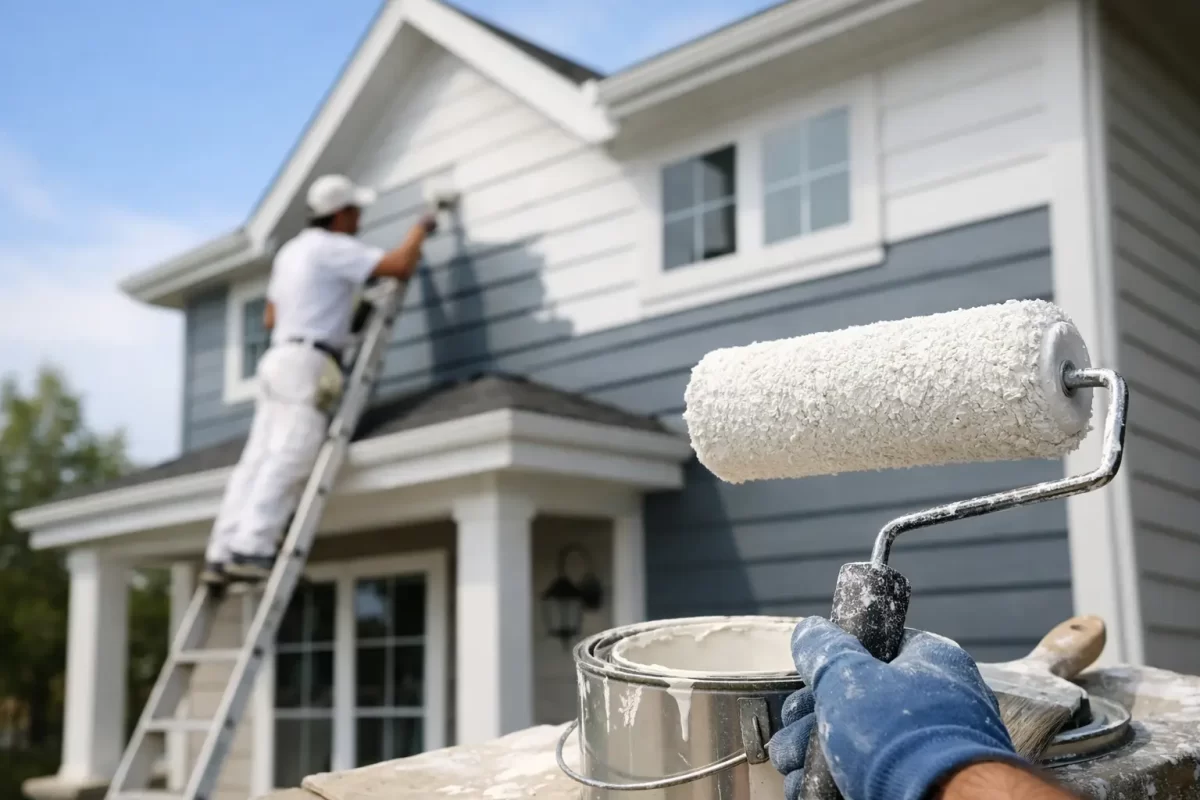
A faded front wall, peeling eaves or chalky render can make a well-kept property look tired faster than most owners expect. Good exterior painting solutions are not just about freshening up the look. They are about protecting the building surface, choosing the right products for local conditions and getting a finish that still looks sharp well after the painters have packed up.
For homeowners, renovators and business owners, the challenge is usually not deciding whether the exterior needs attention. It is knowing what kind of work will actually hold up. A quick repaint can look fine for a short period, but if the prep is poor or the wrong coating is used, the same problems often come back sooner than they should.
What good exterior painting solutions really include
A professional exterior paint job starts well before the first coat goes on. Surfaces need to be assessed properly because timber, render, fibre cement, brick and previously painted areas all behave differently. Some surfaces need sanding, some need patching, and some need a primer that suits weathered material or older coatings.
This is where many jobs either succeed or fail. Paint can only perform as well as the surface underneath it. If there is flaking paint, moisture damage, hairline cracking or powdery residue left untreated, even premium products will struggle. Proper preparation takes more time, but it is what gives the finish its lifespan.
Good exterior painting solutions also take the full property into account. Walls matter, of course, but so do fascias, soffits, eaves, gutters, garage doors, trims and feature elements. When these areas are handled as part of one coordinated plan, the result feels finished rather than patched together.
Why exterior paint fails early
Most people have seen a house or shopfront that was painted not long ago but already looks worn. There are usually a few reasons behind that, and they are rarely about colour choice alone.
The most common issue is poor preparation. Dirt, mould, salt residue and loose paint stop new coatings from bonding properly. Another common problem is choosing a product that is not suited to the substrate or the level of sun and weather exposure. On coastal properties especially, the wrong system can age quickly.
Moisture is another factor that deserves attention. If water is getting in through cracks, damaged sealant or deteriorated surfaces, repainting over the top is only a temporary fix. The paint may cover the symptom for a while, but it will not solve the cause. That is why experienced tradesmen look closely at condition before recommending the right approach.
Sun, salt and storms change the job
On the Gold Coast and in nearby coastal areas, exterior surfaces take a beating. UV exposure can fade darker colours and break down lower-grade paint systems. Salt in the air can shorten the life of coatings, especially on exposed properties. Heavy rain and humidity also affect drying conditions and can highlight existing substrate problems.
That does not mean every property needs the same treatment. A sheltered home in a quiet suburban street may have very different needs from a commercial building near the coast. The best result comes from matching the prep and paint system to the site, not from using a one-size-fits-all method.
Choosing the right exterior painting solutions for your property
The right solution depends on the age of the property, the surface condition and what you want from the finished result. Some owners want a simple refresh before selling. Others are investing in a longer-term upgrade and want the coating system to last as long as possible. Both are valid, but they call for different decisions.
If the exterior is structurally sound and the existing paint is mostly stable, the job may centre on washing, spot repairs, priming problem areas and applying quality topcoats. If the property has widespread flaking, old repairs, damaged render or weathered timber, the work may need to go much further. In those cases, a proper restoration approach can save money and frustration over time because it reduces the risk of repainting again too soon.
Colour selection also plays a bigger role than many people realise. Lighter shades can help minimise visible fading and heat absorption, while darker colours can look striking but may show weathering faster on highly exposed walls. The right choice is often a balance between visual impact, maintenance expectations and the style of the property.
Residential exteriors need more than curb appeal
For a home, the exterior sets the first impression, but appearance is only part of the value. A well-executed paint job helps shield surfaces from weather, keeps timber and trims in better condition and supports the overall upkeep of the property. It can also make renovation work feel complete, especially when new landscaping, roofing or window upgrades are involved.
Homeowners often appreciate guidance on what is worth repainting at the same time. Sometimes repainting only the walls leaves older trims or eaves looking out of place. In other cases, a staged approach makes more sense if budget is tight. Honest advice matters here because not every project needs the biggest possible scope. It needs the right one.
Commercial properties need durability and presentation
For businesses, exterior presentation affects how customers and tenants view the premises. A faded or neglected facade can undermine an otherwise professional operation. At the same time, commercial work often has practical constraints such as trading hours, access, safety and minimal disruption.
That is why planning matters. The best exterior painting solutions for commercial sites consider durability, scheduling and clean site management as much as finish quality. A sharp result is important, but so is keeping the project organised and respectful of staff, customers and neighbouring businesses.
What to expect from a professional process
A reliable exterior project should feel clear from the start. That means a proper site inspection, straightforward advice on the condition of the surfaces and a detailed quote that explains what is included. If repairs, patching or plastering are needed before painting, that should be identified early rather than added as a surprise halfway through.
From there, workmanship is what makes the difference. Surfaces should be prepared thoroughly, surrounding areas protected carefully and the job carried out with attention to detail. Clean lines, even coverage and a tidy site are signs of a team that takes pride in the result and respects the property.
Communication is just as important as technique. Owners want to know what is happening, when it is happening and whether any issues have come up. A good contractor does not leave clients guessing. They explain the process, answer questions directly and help the job run smoothly from start to finish.
When a cheaper quote costs more
It is understandable to compare prices, especially on larger exterior jobs. But painting quotes are not equal simply because the final colour may look similar on day one. Lower quotes often cut time from preparation, use cheaper products or reduce the number of coats. That can affect both appearance and durability.
The better question is what value the quote actually covers. Does it include proper washing and surface prep? Are problem areas being repaired, sealed and primed correctly? Is the team experienced with exterior conditions and different substrates? Saving money upfront can be worthwhile if the scope is genuinely comparable. If it is not, the cheaper option can become the expensive one once defects appear.
For property owners who want confidence in the outcome, a dependable contractor is worth more than a fast promise. Jag Painting Solutions approaches exterior work with that mindset – careful preparation, quality workmanship and a respectful service experience that makes the process easier on the client as well as better for the property.
Exterior painting solutions are an investment in protection
Fresh paint changes how a property looks, but the real value is in how it performs over time. When the preparation is right, the coatings suit the surface and the work is done properly, the result does more than lift presentation. It helps protect the building and reduces the likelihood of avoidable maintenance issues.
If your exterior is starting to show age, the best next step is not to rush into the nearest paint colour. It is to look closely at the condition of the surfaces, get clear advice and choose a solution that suits the property you have, not just the finish you want. That is what gives you a result worth living with for years.


