

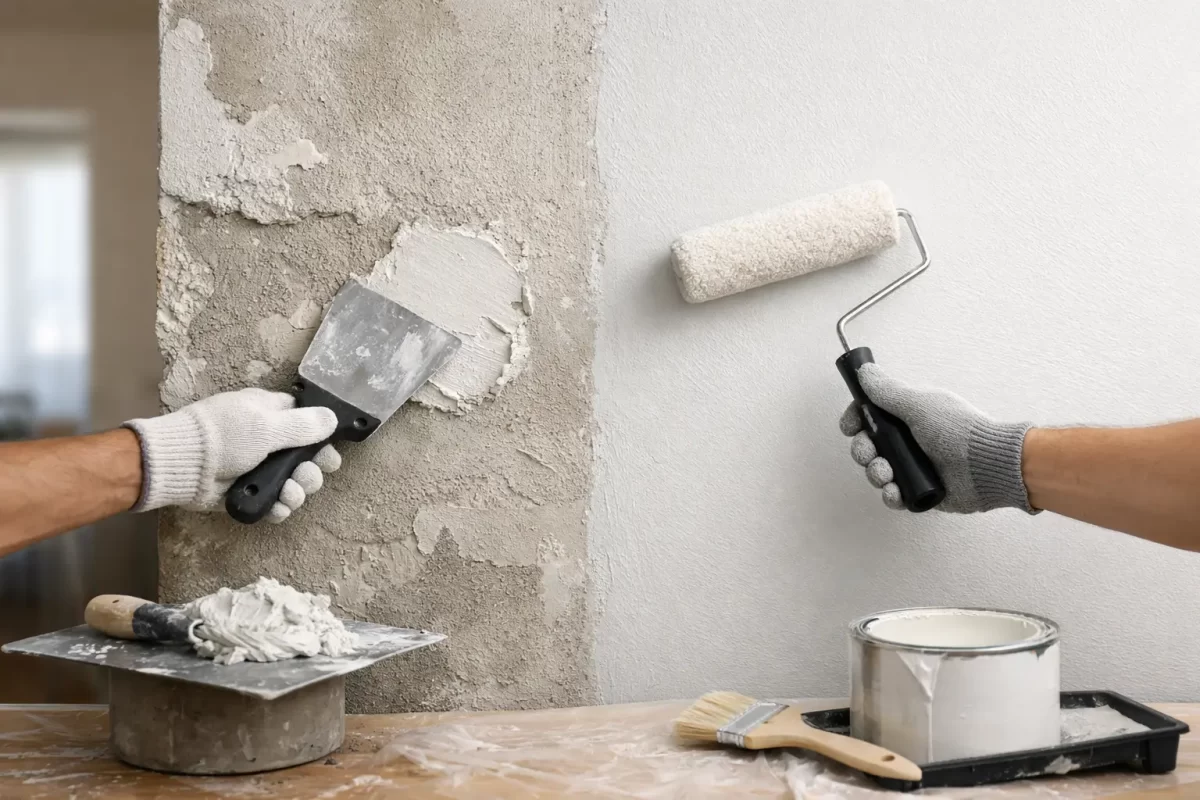
A wall can look fine from the doorway and still turn into a problem the moment paint goes on. Hairline cracks, uneven patches, old repairs and rough texture tend to show up more once fresh paint catches the light. That is why homeowners and renovators often ask, is plastering needed before painting? The honest answer is sometimes yes, sometimes no – and the right choice depends on the condition of the surface, the finish you want, and how long you expect the result to last.
Painting and plastering are closely linked, but they are not the same job. Paint adds colour, protection and presentation. Plastering creates or restores the surface underneath so the paint has something sound, smooth and consistent to sit on. If the wall or ceiling is already in good condition, full plastering may be unnecessary. If it is cracked, uneven or damaged, skipping the prep usually means the finished paintwork will never look as clean as it should.
Is plastering needed before painting every wall?
Not every wall needs plastering before it is painted. In many homes and commercial spaces, the existing surface is solid enough to move straight into cleaning, sanding, priming and painting. That is especially true where walls have only minor scuffs, light nail holes or small cosmetic marks from day-to-day use.
Where plastering becomes necessary is when the substrate is no longer even or stable. Larger dents, peeling sections, old water damage, movement cracks, poor previous repairs and patched areas with obvious texture differences are all warning signs. In those cases, paint alone will not hide the issue. More often, it makes it stand out.
This is where experience matters. A professional painter is not just looking at whether the wall can physically hold paint. They are assessing how the final finish will read in natural light, under downlights, across long hallways and in rooms where smooth walls matter. A surface can be technically paintable and still be the wrong surface for a quality result.
What plastering actually fixes before painting
Plastering is often misunderstood as a cosmetic extra, but its main role is to correct the substrate. That could mean skimming over an uneven wall, repairing damaged plasterboard joints, filling wider cracks, levelling patched sections or restoring areas affected by wear and tear.
If you are repainting after a renovation, plastering is especially common. New walls, moved power points, removed cabinetry, replaced cornices and patched openings usually leave behind join lines and inconsistencies. These need to be blended properly before the painter starts. Otherwise, the wall can end up with visible flashing, ridges or dull patches where the paint absorbs differently.
Ceilings are another area where plastering often matters more than people expect. Ceiling imperfections are easy to miss until a fresh white paint reflects daylight across the room. Even a small repair can stand out if it has not been feathered and sanded properly.
When patching is enough and full plastering is not
There is a middle ground between doing nothing and replastering an entire room. In many cases, localised patching is enough. Small holes from picture hooks, minor settlement cracks and isolated chips can often be repaired, sanded and sealed without the need for broad plastering work.
This is usually the most practical option when the majority of the wall is in sound condition. It keeps the scope sensible and avoids paying for work that will not materially improve the finish. That said, patching only works when the repairs can be blended invisibly. If there are multiple defects across the same surface, spot repairs can become a false economy. You save at the start, then end up with a wall that still looks tired once painted.
A good tradesman will tell you when patching is enough and when it is just delaying a better fix. That kind of advice can make a big difference to both budget and outcome.
Signs plastering should be done before painting
If you are unsure whether plastering is needed before painting, a few common signs usually point to the answer. Walls with visible cracking around door frames or corners may need more than filler. Surfaces that look wavy along the light line often need skim work. Repairs that are clearly visible even before painting generally need more preparation, not less.
You should also pay attention to surfaces with bubbling, softness or staining from past moisture issues. Plastering may be part of the solution, but only after the source of the problem is properly addressed. Painting over damaged plaster without fixing the cause rarely ends well.
Older properties can present a different challenge. Years of repainting can leave a build-up of texture, inconsistent patch jobs and surface wear that stops a new coat from looking crisp. In those homes, plastering can be the step that turns an ordinary repaint into a proper refresh.
How plastering affects the final paint finish
A quality paint finish starts long before the first coat goes on. The smoother and more consistent the surface, the better the paint will look. This matters even more with low-sheen and satin finishes, which can highlight defects depending on the angle of the light.
Dark colours and feature walls also tend to expose imperfections more than lighter shades. If you are investing in a more considered interior scheme, skipping plaster repairs can let the whole room down. The same goes for commercial spaces where presentation matters and clients or customers notice the details.
There is also a durability factor. Paint adheres better and performs more evenly on a properly prepared surface. Where plastering has stabilised cracks or repaired weak areas, the coating system has a better chance of lasting well. That does not mean plastering prevents every future issue, especially in buildings with ongoing movement, but it does give the finish a stronger foundation.
Is plastering needed before painting exterior surfaces?
The answer is less often, but sometimes. Exterior painting usually involves different substrates such as render, masonry, fibre cement and weatherboard rather than interior plaster walls. Still, similar principles apply. If the surface is cracked, blown, patched poorly or uneven, repairs should be completed before painting begins.
On rendered exteriors, for example, patching and surface correction are often necessary to get a consistent finish. Paint will not disguise structural cracking or failed render. It can only coat what is already there. In exposed coastal areas like the Gold Coast, where properties deal with heat, moisture and weather changes, sound surface preparation becomes even more important.
The cost question people are really asking
Often, when someone asks whether plastering is needed before painting, they are really asking whether they can skip it and save money. That is a fair question. Sometimes you can. Sometimes you should not.
If plastering is genuinely unnecessary, leaving it out is sensible. But if the wall needs work and it is ignored, the saving is usually short term. You can end up paying for premium painting over a surface that still looks patched, uneven or tired. At that point, the money spent on paint has not delivered the finish you expected.
The better way to look at it is value rather than just cost. Good plastering can reduce rework, improve appearance and help the paint job last. For clients preparing a home for sale, updating a rental or improving a commercial space, that finish can influence the overall impression of the property.
Why professional assessment matters
Surface prep is one of those areas where photos and quick guesses only go so far. Two walls can look similar at first glance and need completely different approaches. One may only need sanding and filler. The other may need proper plaster repairs to stop defects telegraphing through the topcoats.
That is why a site assessment is useful. An experienced team can identify whether the issue is cosmetic, structural, moisture-related or simply the result of poor previous workmanship. From there, the prep can be matched to the surface instead of using a one-size-fits-all approach.
For property owners who want a clean, lasting finish without surprises, that upfront honesty matters. At Jag Painting Solutions, that is part of how we approach painting work – not just applying paint, but making sure the surface underneath is ready for it.
If you are planning to repaint, the best question is not whether plastering always comes before painting. It is whether your walls or ceilings are in the right condition to make the new paint worth doing. Getting that part right is what gives you a finish you can feel good about every time you walk into the room.


