

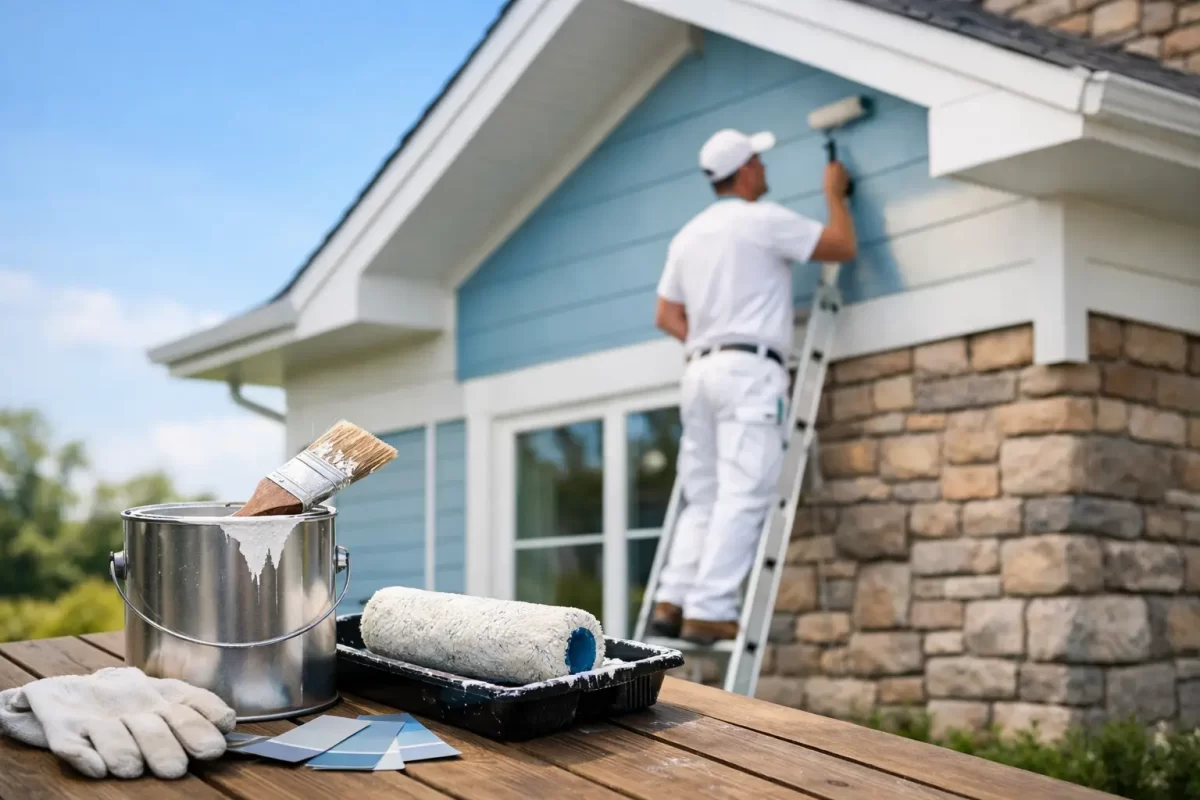
A fresh coat of paint can make a home look sharper in a week, but the real test comes months later when the walls still look even, the trims still hold their finish, and the exterior stands up to sun, rain and salt in the air. That is where good house painting solutions prove their value. It is not just about getting colour on the wall. It is about choosing the right system, preparing properly, and finishing the job with care so the result lasts.
For most property owners, the challenge is not deciding whether to paint. It is working out what approach will actually suit the home, the condition of the surfaces, and the level of wear the space deals with every day. A hallway in a busy family home needs something different from a formal lounge room. A weathered exterior near the coast needs a different level of protection than a sheltered internal wall. The best result comes from treating painting as part of the property’s overall finish, not as a quick cosmetic fix.
What good house painting solutions really involve
A professional painting job starts well before the first brush or roller comes out. Surface condition matters just as much as product choice. If plaster has cracks, previous coatings are peeling, or timber trim has absorbed years of moisture and heat, paint alone will not hide the problem for long.
That is why effective house painting solutions usually combine preparation, repairs and product selection into one process. Gaps may need filling, flaky coatings may need removal, plaster may need patching, and surfaces may need sanding to create an even base. Skipping those steps can save time at the start, but it often costs more later when the finish breaks down early or looks patchy in natural light.
There is also the question of sheen, washability and durability. In practical terms, flat finishes can soften wall imperfections, but they are not always the best choice for high-traffic areas. Low-sheen and semi-gloss products can offer better cleanability, though they may show surface defects more clearly if prep work is poor. That balance matters in lived-in homes where the finish has to look good and handle day-to-day use.
Interior house painting solutions for everyday living
Inside the home, painting needs to do more than freshen a room. It should support the way the space is used. Kitchens, bathrooms, bedrooms and living areas all place different demands on painted surfaces, and treating them the same can lead to disappointing results.
In living rooms and bedrooms, the focus is often on presentation and comfort. Soft, balanced colours can open up a room, improve natural light and create a cleaner overall feel. But the success of the finish still comes back to prep. Uneven plaster, dents and old patch marks tend to stand out once fresh paint goes on, especially in rooms with strong afternoon light.
Hallways, children’s rooms and family areas usually need more durable finishes. These are the places where scuffs, fingerprints and regular cleaning are part of normal life. A paint system with better washability makes more sense here, even if the finish has a slightly different look from a flatter decorative product.
Kitchens and bathrooms need another level of care again. Steam, grease and moisture all affect performance. In these spaces, product choice matters more than many people realise. A lower-grade coating might look fine on day one, but it can lose its finish faster when exposed to constant humidity or cleaning.
Exterior house painting solutions and protection
Exterior work carries higher stakes because it is not only about street appeal. Paint acts as a protective barrier against weather, UV exposure and general wear. On the Gold Coast and in nearby areas, that protection matters even more because surfaces can take a beating from heat, coastal conditions and sudden weather changes.
Timber, rendered walls, eaves, fences and cladding all behave differently outdoors. Some absorb more moisture, some expand and contract with temperature shifts, and some hold old coatings that are already close to failure. That means exterior house painting solutions need to be matched to the substrate rather than applied as one standard package.
Preparation is often more involved outside. Washing down surfaces, treating mould, scraping loose paint, sanding rough edges and priming bare areas all help new coatings bond properly. It is tempting to focus on the visible topcoat because that is what people notice first, but the undercoat and prep work are often what determine how well the finish holds up over time.
Colour choice also plays a bigger role externally than many owners expect. Dark colours can create a strong modern look, but they may absorb more heat and show fading sooner in exposed areas. Lighter colours can be more forgiving and help a property feel brighter, though they will show dirt differently. There is no single right answer. It depends on the style of the home, the exposure, and how much maintenance the owner is comfortable with over time.
Why plastering and repairs matter before painting
One of the most common reasons a paint job falls short is that the wall or ceiling underneath was never properly repaired. Paint can improve a surface, but it does not rebuild it. If the plaster is cracked, bubbling or uneven, the final result will only be as good as the base below it.
That is why plastering and patching should not be treated as separate afterthoughts. They are part of the painting result. A well-repaired wall gives the finish a cleaner, more uniform appearance. It also helps avoid those obvious spots where patches flash through under certain light.
This matters in both older homes and renovated properties. Older homes often have movement cracks, nail pops or layers of previous repair work. Renovated homes can have joins, new sections of plasterboard or altered openings that need careful blending. Proper preparation creates continuity so the painted surface looks complete rather than pieced together.
Choosing colours without regretting them later
Colour selection sounds simple until the sample is on the wall and the room looks completely different in morning light. Many people underestimate how much lighting, flooring, cabinetry and nearby finishes affect the final look. What works in a showroom or on a paint card may feel too cool, too dark or too stark at home.
This is where practical guidance makes a real difference. Good colour decisions are not only about trends. They should suit the property, the amount of natural light, and how the rooms connect. A colour that works beautifully in one room can feel flat or heavy in another.
Neutral schemes remain popular because they are flexible and tend to age well, especially for owners thinking about resale. But that does not mean every home should be painted the same shade of white. Warm whites, cooler greys, muted greens and soft greige tones all create different effects. The right choice depends on what the home already has going for it and what the owner wants to improve.
The difference workmanship makes
Even the best paint will not perform at its best if the application is rushed. Straight lines, even coverage, smooth cut-in work and a clean finish around trims and fittings all come down to experience. So does knowing when a surface needs another coat, when conditions are not right for painting, and when a repair needs more attention before moving ahead.
This is also where respect for the property matters. Most homeowners are not just buying paint application. They are trusting tradespeople to work inside their living space, protect floors and furnishings, keep the site tidy and communicate clearly throughout the job. That level of care has a direct impact on the overall experience.
For renovators and business owners, reliability matters just as much. Delays, poor coordination and messy finishes can hold up larger projects and create unnecessary cost. Skilled painters who understand scheduling, preparation and final presentation help keep the process moving without compromising the result.
When it makes sense to invest in professional house painting solutions
Not every project needs the same level of work, and that is where honest advice matters. Some rooms may only need straightforward repainting. Others may need patching, stain-blocking, mould treatment or a full surface refresh before they are ready for topcoats.
Professional house painting solutions make the most sense when the finish matters, the surfaces are not in perfect condition, or the owner wants the job done properly the first time. That applies to family homes, investment properties, renovation projects and commercial spaces alike. A better process usually means better longevity, cleaner presentation and less rework later.
If you are weighing up a painting project, start by looking beyond the colour chart. Think about the condition of the surfaces, how the space is used, and how long you want the result to last. A well-finished property always shows the difference when preparation, product choice and workmanship are handled with care. That is what turns painting from a quick update into a worthwhile improvement.


