

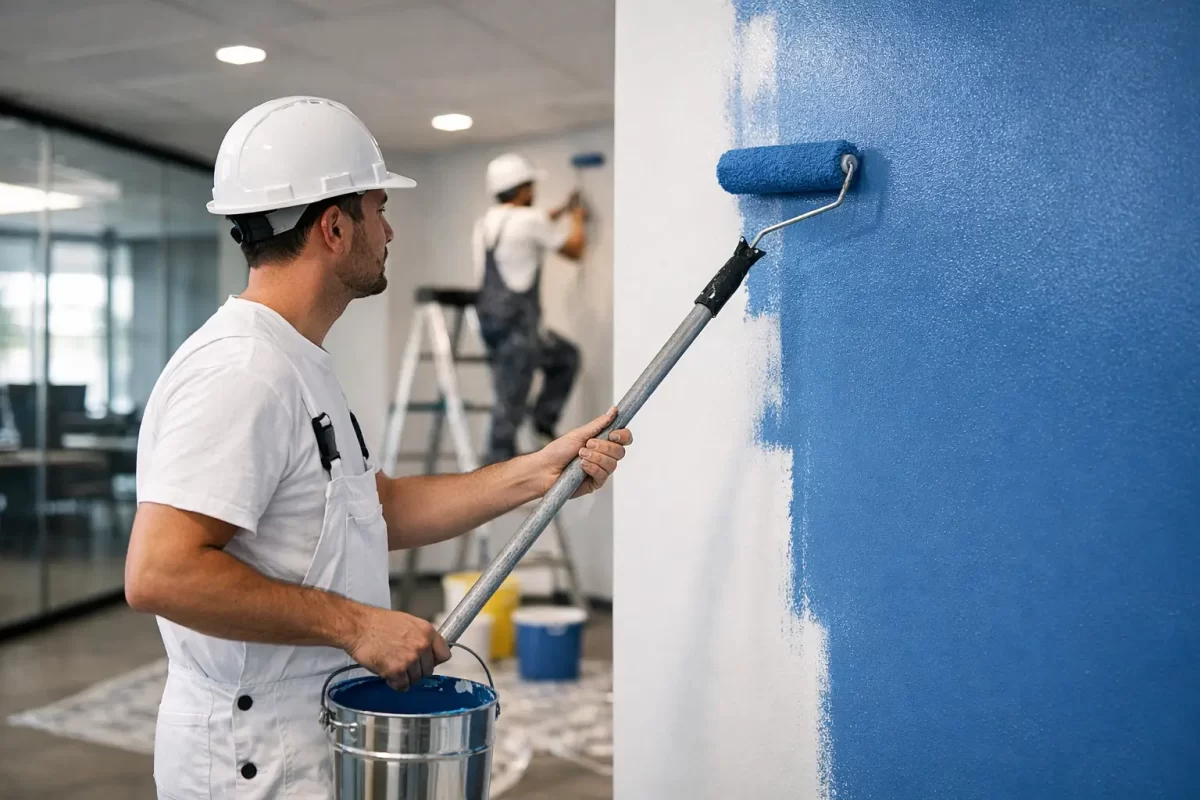
A shopfront with peeling paint, marked walls or tired ceilings says something before a customer even walks through the door. That is usually where the question starts: what is commercial painting, and how is it different from painting a home? The short answer is that commercial painting covers painting and surface-finishing work for business, retail, industrial and public-use properties, with a stronger focus on durability, scheduling, safety and presentation.
It is not simply a bigger version of residential painting. Commercial work often involves more people, more coordination and more pressure to get the job done with minimal disruption. For a business owner or property manager, the finish matters, but so does the process. A clean, organised job that stays on schedule is just as important as the final coat.
What is commercial painting in practical terms?
Commercial painting is the preparation, repair and painting of surfaces in properties used for business or public activity. That can include offices, retail stores, cafés, restaurants, warehouses, medical suites, strata buildings, schools and other shared or high-traffic spaces.
The work usually goes beyond rolling paint onto walls. It can involve surface repairs, patching damaged plaster, sanding, sealing, priming, coating internal and external areas, and choosing finishes that suit the use of the space. In some projects, colour consultation is also part of the process, especially when a business wants to refresh its brand presentation or create a more professional environment.
The key difference is function. In a home, paint choice is often driven by personal taste and lifestyle. In a commercial setting, paint has to handle wear, cleaning, foot traffic, weather exposure and day-to-day use by staff and customers. That changes the products, planning and approach.
How commercial painting differs from residential painting
Residential and commercial painting share the same fundamentals: good preparation, suitable products and skilled application. Where they differ is in complexity and expectations.
Commercial projects often need to work around business hours, tenants, customers or site access rules. An office might need painting after hours to avoid interrupting staff. A retail store might need staged works so trading can continue. A strata property may require communication with multiple occupants and careful planning around common areas.
There is also a stronger emphasis on compliance and site safety. Depending on the property, painters may need to manage access equipment, protect walkways, isolate work areas and keep the site tidy and safe for the public. That is why experience matters. A good finish is one part of the job. Running the project properly is the other.
What a commercial painting project usually includes
Most commercial painting jobs begin well before the first coat goes on. The first stage is assessing the condition of the surfaces and understanding how the space is used. A wall in a reception area needs a different finish from a warehouse wall or an exterior surface exposed to coastal weather.
Preparation is where quality is won or lost. This may include washing surfaces, removing loose or flaking paint, sanding, filling cracks, repairing plaster, treating stains, sealing problem areas and applying the correct primer. If the surface is not prepared properly, even premium paint will struggle to perform.
Once preparation is complete, the application stage begins. This might include ceilings, walls, trims, doors, feature areas, exteriors, fences, cladding or structural elements, depending on the site. Product choice matters here. Some areas need low-sheen finishes that hide minor marks. Others need harder-wearing coatings that can be cleaned regularly without breaking down.
The final stage is the detail work – checking coverage, cutting in clean lines, touching up imperfections and leaving the site presentable. For commercial clients, handover matters. The space should be ready to use, not left half-finished with a mess to sort out.
Why preparation matters more than most people realise
When people compare quotes, the difference often comes down to preparation time. That can be frustrating if you are trying to manage a budget, but it is worth understanding what you are paying for.
Commercial surfaces take a beating. In busy spaces, walls get knocked, corners chip, moisture finds its way into weak spots and old coatings can fail. If a contractor skips surface repairs or rushes the prep, the new paint may look fine for a short time and then start showing problems early.
That is especially true on the Gold Coast, where humidity, sun and coastal conditions can be hard on exterior surfaces. A proper system – not just a topcoat – gives the best chance of a finish that lasts. Sometimes that means a slightly higher upfront cost, but it can save money by reducing early repainting and ongoing patch jobs.
Choosing the right finish for a commercial space
Not every commercial property needs the same paint system. A medical fit-out, a café, an office and a warehouse all have different practical needs.
For high-traffic interiors, durability is usually the priority. Washable finishes are popular in hallways, receptions and shared spaces because they stand up better to marks and regular cleaning. In offices, lower-sheen finishes are often chosen for a neat, professional look. In food service settings, surfaces may need coatings that are easier to maintain and keep clean.
Exterior commercial painting brings another set of decisions. Exposure to UV, rain, salt and general weathering affects how long a finish will hold up. In those cases, the best result often comes from matching the coating system to the substrate, whether that is rendered walls, timber, metal or previously painted masonry.
This is where practical advice helps. The cheapest paint is rarely the cheapest job over time, but the most expensive option is not always necessary either. It depends on the building, the level of wear and how long you want the result to last.
Timing, access and keeping business disruption low
A major part of commercial painting is project coordination. Business owners do not just want a nice finish. They want to keep trading, keep staff productive and avoid unnecessary disruption.
That means scheduling work carefully. Some jobs are best done after hours or in stages. Others can be completed during normal operating hours if the site allows for safe separation of work areas. In multi-use properties, clear communication becomes essential so tenants, staff and visitors know what is happening and when.
A reliable painting contractor will talk through these details early. Access requirements, drying times, odour concerns, furniture protection and cleanup all affect how smooth the project feels from the client side. Good communication is often the difference between a stressful job and a well-managed one.
When commercial painting is worth doing
Many business owners put painting off until things look visibly run-down. By that stage, the work can be more extensive than it needed to be.
A fresh commercial paint job is often worthwhile when a business is rebranding, moving into a new tenancy, preparing a property for lease, updating a tired fit-out or maintaining presentation standards. It can also be part of broader upkeep. Small defects dealt with early are usually easier and less expensive to manage than widespread breakdown later on.
Presentation has a practical value. Customers notice clean, well-kept spaces. Staff tend to respond better to workplaces that feel maintained and professional. For investment properties and strata sites, regular painting also helps protect the asset, not just improve appearance.
What to look for in a commercial painter
If you are comparing contractors, look beyond the quote total. Commercial painting needs more than a licence and a brush. You want a team that understands preparation, product selection, safety, scheduling and respectful site conduct.
That includes turning up when promised, communicating clearly, protecting surrounding areas and leaving the property tidy at the end of each stage. It also helps to work with painters who can manage related surface issues, such as plaster repairs, rather than treating every defect as someone else’s problem.
For many property owners, trust comes down to the simple things: the workmanship is consistent, the team is easy to deal with, and the finished job looks right. That steady, professional approach is what separates a quick paint-over from a proper commercial result.
So, what is commercial painting really about?
At its core, commercial painting is about presenting and protecting a property that needs to work hard every day. Yes, it improves how a building looks, but it also supports durability, maintenance and the way people experience the space.
For some jobs, that means a straightforward refresh. For others, it means careful repairs, staged scheduling and a coating system built for long-term performance. Either way, the best results come from doing the groundwork properly and choosing painters who treat the project with care.
If you are planning work on a business premises, office, retail space or shared property, it helps to think beyond paint charts. A well-run commercial painting job should leave the space looking sharper, functioning better and feeling easier to hand back over to staff, tenants or customers.


