

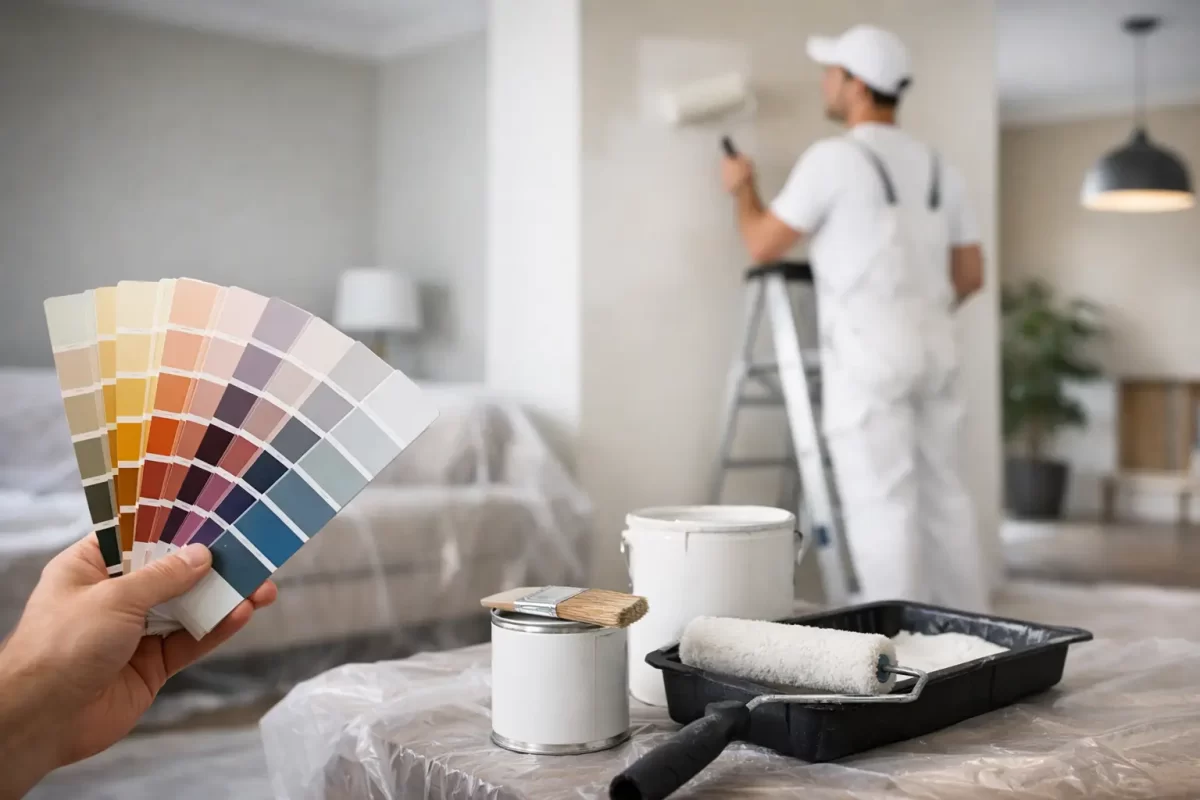
Typing painter interior near me into a search bar usually happens at the point where the job has stopped being a weekend idea and started becoming a real frustration. Walls are marked up, ceilings look tired, old patch repairs are showing through, or a renovation is close to handover and the finish still is not where it needs to be. At that stage, most property owners are not looking for the cheapest name on a list. They want a painter who turns up, communicates clearly and leaves the place looking properly finished.
Interior painting looks simple from a distance. A few tins of paint, some rollers and a free weekend can make it seem manageable. The difference shows up in the details. Straight cut lines, even coverage, sound surface preparation and a clean site are what separate a professional result from a job that needs touching up within months.
What a good painter interior near me should actually offer
A reliable interior painter should offer more than paint application. The job starts well before the first coat goes on. Surfaces need to be assessed, existing damage needs to be repaired and the right product needs to be matched to the room, lighting and level of wear.
That matters because not every interior surface behaves the same way. Living areas, bedrooms, kitchens, stairwells and commercial fit-outs each place different demands on the finish. A hallway with heavy traffic needs durability. A ceiling with past water staining needs the right preparation. A renovated room with fresh plaster needs proper sealing before any top coat is applied.
This is where experience counts. A skilled painter will explain what needs patching, whether plastering should be done first, what level of sheen suits the space and how the finish will hold up over time. That guidance saves money and frustration later.
Why prep work matters more than most people expect
The finish you notice is only as good as the preparation underneath it. If the surface has dents, flaky areas, hairline cracking or uneven previous coatings, fresh paint will not hide it. In some cases, new paint makes those problems stand out more.
Preparation usually includes washing down surfaces, scraping loose material, sanding rough areas, filling imperfections and sealing where required. In homes with older walls, there may also be movement cracks, patched repairs from electrical work or stains bleeding through from previous damage. In commercial spaces, there may be wear around doorways, scuffs at low level and marks from years of use.
A proper quote should reflect this. If one painter allows for surface repairs and another does not, the prices may look very different even though they are not offering the same result. Lower pricing can sometimes mean less prep, fewer coats or very basic product selection. That does not automatically make it poor value, but it should be clear from the start what is included.
The plastering and patching question
Many interior jobs are really painting plus repair work. That can include setting new plasterboard joints, patching old fixings, repairing cornices or smoothing damaged walls before repainting. If the painter can handle both plastering and finishing, the project tends to run more smoothly because there is less handover between trades and fewer delays.
For homeowners and renovators, that can be a major advantage. It means one team is accountable for the wall condition and the final finish, rather than each trade pointing to the other when something is not right.
How to compare quotes without guessing
When you are deciding between painters, the quote should give you confidence rather than leave you reading between the lines. A useful quote does not need to be overly technical, but it should be clear about scope.
You should be able to see which rooms or areas are included, what surface preparation is allowed for, whether minor plaster repairs are part of the price, how many coats are expected and whether ceilings, walls, trims and doors are all covered. It is also worth checking who is moving furniture, how floors and furnishings will be protected and whether clean-up and rubbish removal are included.
Timing matters too. A professional painter should be able to give a realistic start window and a sensible idea of duration. Interior painting can be affected by access, drying conditions and the amount of repair work uncovered once the job starts, so exact timelines are not always possible. Still, good communication should never be optional.
Cheap quotes can cost more later
Price matters, especially on larger repaints and renovation projects, but it should not be the only filter. The cheapest quote may leave out crucial preparation or use products that do not wear well. On the other hand, the highest quote is not automatically the best. What matters is whether the painter has explained the process, identified likely issues and priced the work honestly.
If a quote seems noticeably lower than the others, ask why. Sometimes there is a genuine reason. Other times, the gap only becomes clear once the work starts and variations begin to appear.
What homeowners usually care about most
Most people are not paint experts, and they do not need to be. They usually care about four practical things: how the place will look, how long the job will take, whether the painters will respect the property and whether the result will last.
That makes the service side of the job just as important as technical skill. Turning up on time, protecting floors, keeping the work area tidy and communicating around access all shape the experience. If you are living in the home during the works, those details matter even more.
A customer-first painter will also help with decisions that can be difficult to make on your own. Colour selection is a common sticking point. Whites can read warm or cool depending on the room. Sheen levels affect both appearance and maintenance. A practical recommendation based on the room, lighting and use is often more valuable than being handed a fan deck and left to decide alone.
Choosing the right finish for the room
Not every room should be treated the same. A flat ceiling finish can help reduce visible imperfections overhead, while walls often need a washable low-sheen or similar finish that balances appearance with practicality. Trims and doors may suit a harder-wearing enamel or water-based alternative depending on the look and performance required.
This is another reason to work with an experienced interior painter rather than simply searching painter interior near me and booking the first available option. Product choice affects washability, durability, touch-up performance and the overall feel of the space. A good painter will guide you through those trade-offs instead of treating every room as identical.
Occupied homes versus empty properties
The best approach can change depending on whether the property is occupied. In an empty house, access is easier and larger sections can usually be completed faster. In a lived-in home, the work may need to be staged around bedrooms, living areas or business operations.
That does not make the job harder to deliver well, but it does require planning. Clear scheduling, protection of furniture and sensible daily clean-up become part of the value you are paying for.
When local experience makes a difference
If you are on the Gold Coast or in nearby Tweed, local experience can help with more than travel time. Painters who work regularly in the area understand the common building styles, the condition issues often found in coastal properties and the expectations of owners preparing homes for sale, renovation or long-term maintenance.
That familiarity can make quoting more accurate and recommendations more practical. It also helps when jobs involve a mix of painting, plaster repairs and presentation upgrades that need to be handled efficiently. For that reason, many property owners prefer a full-service team such as Jag Painting Solutions rather than trying to coordinate separate trades.
Signs you have found the right painter
The right painter is usually not the one making the biggest promises. It is the one asking the right questions. They want to know the age and condition of the surfaces, whether there has been previous moisture damage, if repairs are needed before painting and how the room will be used after completion.
They are also upfront about what they can see and what may only become clear once preparation begins. That sort of honesty builds trust because it sets realistic expectations from the start.
If you are comparing options, look for a painter who is clear in their quoting, confident in their process and respectful in the way they discuss your property. Good workmanship matters, but so does the experience of having people in your home or workplace.
The best result usually comes from choosing a painter who treats the job as more than a quick coat of paint. When the preparation is right, the finish suits the space and the service is handled with care, the room feels better the moment you walk back into it.


