

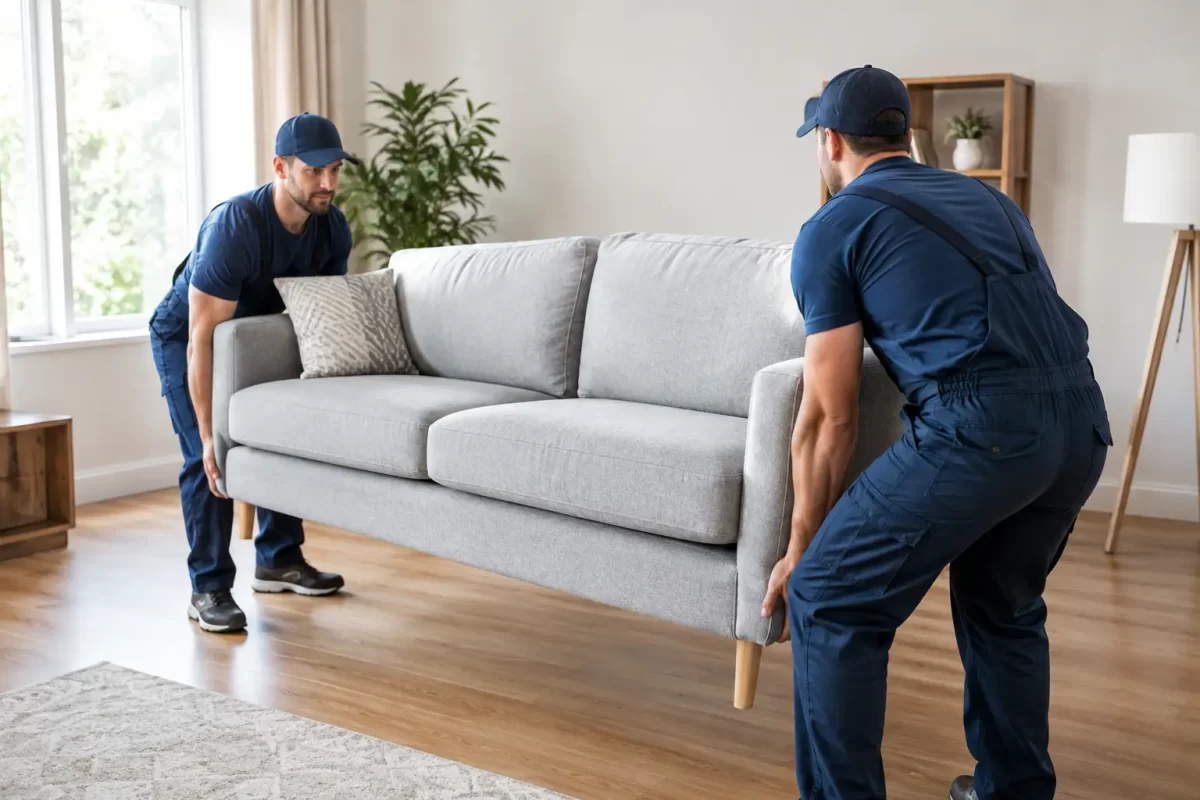
A freshly painted room should not come at the cost of scratched floors, damaged furniture or a stressful day spent shifting heavy items. Homeowners often ask whether painters move furniture, and the honest answer is: usually, yes – within sensible limits and with clear expectations agreed before work begins.
A professional painting team understands that rooms need to be accessible before preparation and painting can start. That commonly means moving lighter furniture away from walls, grouping pieces in the centre of the room, and covering everything carefully. Large, fragile or high-value items can require a different plan. Clear communication before the job protects your belongings, keeps the work moving and helps deliver the clean finish you are paying for.
Do painters move furniture as part of the job?
Most professional painters will move ordinary, manageable furniture as part of preparing a room. Think dining chairs, small tables, lightweight lounges, bedside tables and freestanding shelving units. The goal is not to rearrange your home permanently. It is to create enough room to prepare surfaces properly, cut in neatly around ceilings and trims, and paint walls without brushing past furniture.
Once items are moved, they should be covered with clean drop sheets or plastic protection. Floors also need protecting, particularly timber, tile, carpet and recently installed finishes. Good preparation takes time, but it is where a tidy, professional job begins.
The exact arrangement depends on the room. In a smaller bedroom, furniture may be moved to the centre and covered. In a large living area, it may be more practical to move pieces into an adjoining room or garage if there is suitable space. Your painter should discuss this during the quote or before the first day on site, rather than making assumptions when the work is due to begin.
What painters can reasonably move
There is a practical limit to what should be moved by a painting crew. Heavy wardrobes, large wall units, pianos, safes, pool tables and built-in furniture are not standard items to shift during a painting project. They can be difficult to move safely, may require specialist equipment, and can damage floors or walls if handled incorrectly.
The same applies to furniture that is unusually delicate, antique, expensive or structurally unstable. A painter can protect these items in place where practical, but you may prefer to arrange removal yourself. If moving a heavy item is necessary to paint behind it, this should be raised before the work is booked so the scope, access and any extra help can be considered.
For commercial premises, the question can be more involved. Desks, filing cabinets, display units, stock and IT equipment may need to remain operational or be relocated in stages. A staged painting plan can reduce disruption, particularly for offices, shops and tenanted properties.
Items you should usually move yourself
Personal and fragile belongings are best removed before the painters arrive. This includes photos, artwork, lamps, ornaments, plants, electronics, loose shelving contents and valuables. Clearing these items gives the team a safer workspace and means there is less risk of accidental damage.
It is also wise to empty drawers, cabinets and bookcases that need to be shifted. Furniture is much easier and safer to move when it is not carrying extra weight. If you have sentimental or irreplaceable belongings, place them in a separate room that is not being painted or store them securely off site.
Why access matters to the finish
Moving furniture is not simply about making space. Proper access allows painters to inspect the wall condition, repair cracks and dents, sand patches smoothly, mask adjoining surfaces and apply an even coat from top to bottom. Trying to paint around a sofa pushed against a wall is a shortcut that can leave missed sections, uneven edges and marks on furnishings.
The same principle applies to exterior work. Pots, outdoor settings, barbecues and children’s play equipment may need to be moved away from walls, decks or fences. Painters need room for ladders, drop sheets and safe movement around the property. It is particularly important where exterior preparation involves washing, scraping or sanding.
A careful team will not treat your home like an empty worksite. They will plan how to protect the areas around the job, keep walkways as clear as possible and avoid unnecessary disruption. However, access remains a shared responsibility. The more prepared the space is, the more efficiently the painters can concentrate on surface preparation and quality application.
How to prepare before the painters arrive
A short preparation check can make the first day much smoother. Remove small items from the room, clear the tops of furniture, take down curtains if requested, and make sure there is a clear path from the entry to the work area. If pets are at home, arrange a safe, quiet area away from open doors, paint tins and equipment.
Let your painter know about any access issues in advance. Narrow staircases, apartment lifts, limited parking, difficult driveways and rooms with very heavy furniture can all affect the plan. On the Gold Coast and in Tweed, wet weather can also influence exterior work, so keeping outdoor furniture accessible and movable helps the team respond to suitable painting conditions.
Before work starts, ask where furniture will be placed, what coverings will be used and whether anything needs to be removed by you. These are reasonable questions. A dependable contractor will be clear about what is included, what needs special care and how the area will be left at the end of each day.
When furniture can stay in the room
Not every item has to leave. In many cases, large furniture can remain in the centre of the room under secure coverings while walls and ceilings are painted. This is often the best option when there is limited storage space or when moving an item would create more risk than protecting it in place.
There are trade-offs. Keeping furniture in the room can make the job slower, especially if every wall needs extensive repairs or if ceilings and cornices are being painted. It may also limit access behind larger pieces. Your painter may recommend moving selected items out of the room so there is no compromise on preparation or coverage.
For occupied homes, a room-by-room approach is often the least disruptive. You can continue using other parts of the house while the work progresses, rather than emptying the whole property at once. This approach needs good scheduling and a crew that keeps the site orderly.
Protection, clean-up and peace of mind
Furniture protection should be part of a broader site-care process. Drop sheets should be laid before preparation begins, furniture should be covered before painting starts, and tools and materials should be kept organised. At the end of the day, the work area should be left safe and reasonably tidy, particularly in a family home or active business.
Paint odour, drying times and access restrictions also deserve consideration. Water-based interior paints are commonly lower odour, but rooms may still need ventilation and time before furniture is returned to its usual position. Your painter can advise when surfaces are dry to touch and when they have cured enough for normal use.
At Jag Painting Solutions, the aim is to make the painting process feel straightforward, from discussing room access at the quote stage through to protecting your space and completing the final clean-up. If you are unsure whether a particular item can be moved or painted around, raise it early. A quick conversation before the job starts is the best way to protect your furniture and give your painters the space to produce a finish you will be pleased to live with.


