

A freshly painted room can be spoiled by one avoidable detail: overspray on glass, paint marks on aluminium frames, or a scratched surface caused by rushed clean-up. Seal n Peel is one option used to protect selected surfaces while nearby painting, rendering or renovation work is completed. Used correctly, it can save time and help preserve a clean, professional finish. Used in the wrong setting, it can create another job altogether.
For homeowners and property managers, the key question is not simply whether a peelable coating can be applied. It is whether it is the right protection method for the surface, the project timeframe and the condition of the area being worked on.
What is Seal n Peel used for?
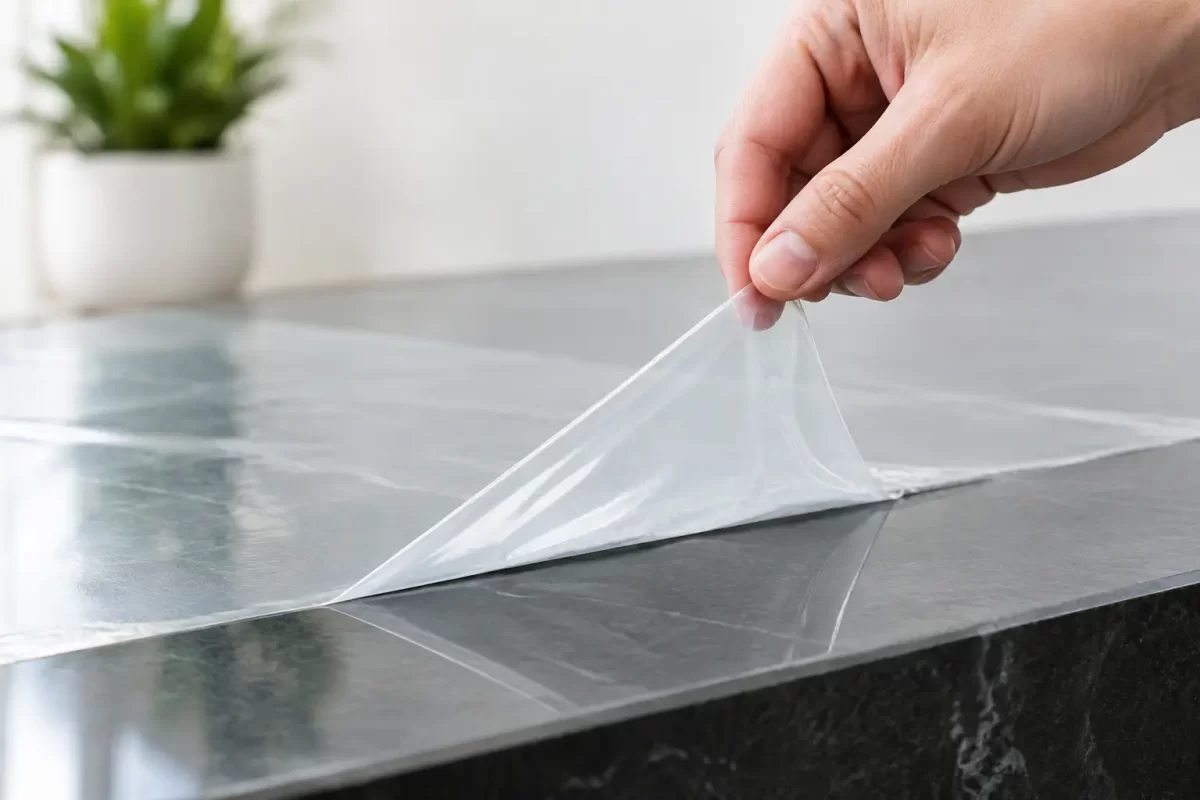
Seal n Peel generally refers to a temporary liquid surface-protection coating that dries into a removable film. It is commonly considered for smooth, non-porous surfaces that need shielding from paint splashes, dust, light overspray and day-to-day site mess during works.
Glass is a common example. On projects with large windows, glass doors or fixed panels, applying a removable protective film may be more practical than taping and papering every section, particularly where there is extensive spraying nearby. It may also be useful on certain finished metal, glazed tile or hard surfaces, provided the specific product is compatible with the material.
The important word is temporary. This type of coating is not a substitute for a permanent clear finish, a sealer, or a repair solution for damaged glazing and joinery. Its job is to protect a surface through a defined stage of work, then be removed cleanly at the right time.
When peelable protection makes sense
Temporary protection is most useful where careful masking would be slow, difficult or likely to shift during a larger painting job. It can help on commercial fit-outs, renovation sites and exterior projects where windows sit close to areas being sprayed.
It can also be a sensible choice where a surface needs protection for more than a few hours. Masking tape can lift, leave residue or lose its edge when exposed to heat, moisture and dust. A properly applied peelable film covers the full surface rather than relying on tape lines alone.
That said, it is not automatically the best approach for every property. Small windows, delicate surfaces and jobs involving only minor brush-and-roll work can often be protected more efficiently with quality tape, drop sheets and careful cutting-in. Good preparation is about choosing the method that gives the safest result, not using a product simply because it appears quicker.
Surface condition comes first
Before any temporary coating is applied, the surface needs to be clean, dry and sound. Dirt, salt residue, silicone, grease, adhesive marks and construction dust can affect how evenly a product lays down and how reliably it peels away.
This matters on the Gold Coast, where coastal air and humidity can add another layer of consideration. Glass and external frames may look clean while carrying salt film or airborne grime. Thorough cleaning and drying are not optional preparation steps. They are what help prevent patchy adhesion and difficult removal later.
Older windows also deserve extra care. Existing scratches, oxidised frames, deteriorated seals and cracked glass should be identified before work begins. A protective coating will not cause every pre-existing issue, but documenting surface condition upfront avoids confusion when the project is complete.
Applying Seal n Peel properly
Peelable protection performs best when application is planned around the full job, including removal. The manufacturer’s directions should always guide surface suitability, coverage rates, drying conditions and maximum time the film can remain in place.
A consistent coat is critical. If the coating is applied too thinly, it may tear into small pieces during removal rather than lifting as a manageable film. If it is applied unevenly, thin edges can be difficult to find and remove. A professional team will also keep the product off areas where it is not intended to sit, including seals, moving hardware, porous finishes and vulnerable edges.
Weather conditions matter, particularly outdoors. Heat can cause products to dry faster than expected, while humidity or rain can affect curing and site access. On exterior work, the painting schedule needs to account for the protection method rather than treating it as an afterthought.
There is also a practical access issue. If windows are being protected before spraying, painters still need a clear sequence for frames, reveals, walls and any areas that require brushwork. Protection should support an orderly job, not make finishing details harder to reach.
Do not leave it on too long
One of the most common mistakes with temporary coatings is assuming they can remain in place indefinitely. They cannot. Sun exposure, heat, dust build-up and time can change how a film behaves.
Removing the coating within the recommended timeframe is usually the safest approach. If a project is delayed, the team should assess the condition of the film rather than leaving it until the end of an extended renovation. Early attention is far easier than scraping at aged residue from a finished surface.
Removal should be deliberate, not rushed. The film is normally lifted from a suitable edge and peeled steadily. Any small remnants should be dealt with using an approved method for that surface. Blades, abrasive pads and harsh solvents can scratch glass, mark powder-coated aluminium or damage surrounding finishes if used carelessly.
Seal n Peel versus traditional masking
Neither approach wins every time. Traditional masking provides precise control around edges and is often the most efficient option for smaller areas, detailed trim and short jobs. It is familiar, economical and easy to remove when high-quality tape is used properly.
Seal n Peel-style protection can be beneficial on broad, smooth areas where full coverage is needed and spraying forms a significant part of the work. It may reduce the risk of paint specks reaching the glass and can simplify clean-up after larger applications.
The trade-off is preparation and timing. Peelable coatings require suitable conditions, enough product thickness and reliable removal planning. Masking requires more labour upfront and can be vulnerable to lifting, but it may be the lower-risk choice on sensitive or irregular surfaces.
For this reason, experienced painters assess the site before deciding. The right method depends on the surface material, the type of paint application, access, weather, the project duration and the quality standard expected at handover.
Protecting finishes is part of quality painting
A professional painting result is not only about the colour on the walls. It is also about the areas that remain untouched. Clean glass, tidy frames, protected floors and well-managed work zones make a real difference to how a renovation or commercial refresh feels when it is finished.
At Jag Painting Solutions, surface preparation and protection are considered alongside the paint system itself. Whether a job needs careful masking, drop-sheet protection or a temporary peelable film, the aim is the same: complete the work with respect for the property and leave the finished areas looking as they should.
If you are planning interior, exterior or commercial painting, raise any concerns about windows, joinery, tiles or other finished surfaces during the quoting stage. A clear protection plan before work begins gives everyone confidence and helps avoid unnecessary clean-up once the final coat is dry.


