

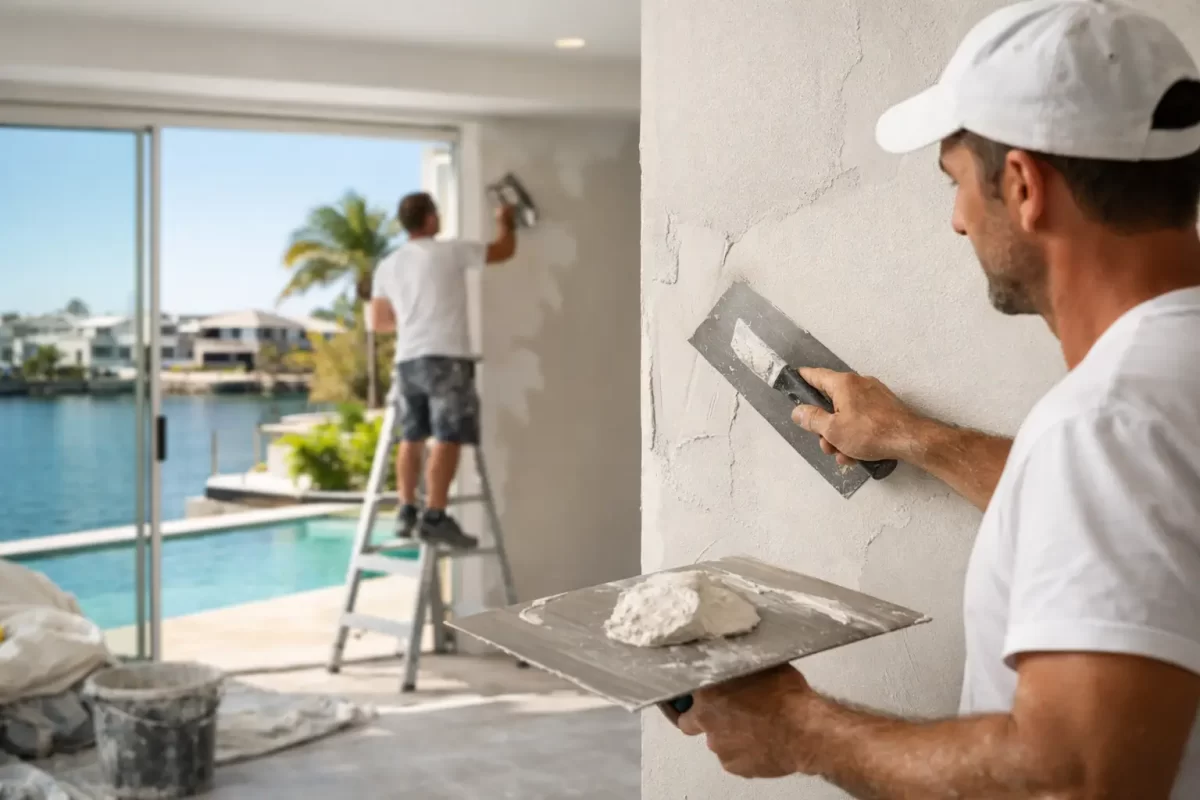
A fresh coat of paint can only look as good as the surface beneath it. Cracks, dents, uneven joins and old patch repairs tend to stand out even more once paint is applied, particularly in rooms with plenty of natural light. Professional plastering services that Gold Coast property owners can rely on address those issues properly, creating smooth, durable surfaces that are ready for a quality paint finish.
For homeowners, renovators and business owners, plastering is not simply a repair job. It is a key part of presenting a property well, protecting wall and ceiling surfaces, and avoiding the frustration of repainting over defects that should have been fixed first.
Why plastering services on the Gold Coast matter
The Gold Coast climate can be hard on buildings. Humidity, temperature changes, coastal air and normal movement in a property can all contribute to hairline cracks, peeling cornices and tired wall surfaces over time. While some small marks may be cosmetic, others can point to movement, moisture damage or previous repairs that were rushed.
A skilled plasterer assesses the surface before deciding how to repair it. The right approach may involve setting joints, replacing damaged plasterboard, repairing cornices, applying a skim coat or carefully patching holes and cracks. Each option has a different purpose, and choosing the wrong one can leave the same problem visible again after painting.
This preparation matters especially when the finish will be light-coloured, satin or low-sheen. These paint finishes can highlight uneven areas, so a wall that looks acceptable before painting may suddenly show every dip, join and rough patch once the room is complete.
Common issues worth fixing before painting
It is easy to put off wall and ceiling repairs while planning a renovation or property refresh. Yet handling plastering before painting usually saves time and produces a far better result. Rather than painting around problem areas, it gives the whole room a clean starting point.
Some of the most common issues include:
- Hairline cracks around doors, windows, corners and ceiling joins
- Dents, holes and scuffs caused by furniture, removed fixtures or everyday use
- Poorly blended patches from earlier repairs
- Water-stained, bubbled or damaged plasterboard after a leak
- Cracked cornices, separated joins and loose sections around ceilings
A crack should not automatically be treated as a simple fill-and-paint job. If the underlying movement is ongoing, the repair may need reinforcing or a different treatment method. Likewise, water-damaged plasterboard should only be repaired once the source of moisture has been found and resolved. Covering it too soon risks mould, staining and further deterioration.
For commercial spaces, damaged walls can affect how customers, tenants and staff perceive the premises. A clean, even finish makes a reception area, retail space or office feel maintained and professional. It also makes future painting and maintenance easier to manage.
What quality plastering work involves
Good plastering is careful work. The aim is not to make damage less obvious for a few weeks. It is to prepare a stable, level surface that blends naturally with the surrounding wall or ceiling.
The process starts with inspecting the affected area and removing loose, damaged or unsuitable material. Depending on the repair, this may mean cutting out compromised plasterboard, securing sheets, applying tape to joins, setting compounds in stages and sanding between coats. Larger repairs often need time between applications so the material can dry properly and be finished evenly.
The final sanding stage deserves particular attention. A smooth finish should blend into the existing surface without obvious ridges or heavy edges. This is where workmanship shows. Under a coat of paint, a properly prepared repair should not draw attention to itself.
Cleanliness also matters. Plaster dust can travel through a home quickly if it is not managed with care. Experienced tradesmen protect floors, furniture and nearby areas, keep the work zone organised, and clean up thoroughly once the job is complete. That respect for the space is particularly valuable when you are living or working in the property while repairs are underway.
Plastering and painting work best as one plan
Using one team to manage both surface repairs and painting can make a project simpler. The plastering is completed with the selected paint system in mind, and the painters know exactly which areas have been repaired, sealed and prepared. This reduces the risk of mismatched textures, missed patching or a rushed handover between separate trades.
It also helps with colour decisions. Darker colours, strong whites and higher-sheen finishes can reveal surface imperfections more readily than softer neutrals and flatter finishes. If you are planning a feature wall or a premium interior finish, discussing the condition of the surface before choosing paint can prevent disappointment later.
At Jag Painting Solutions, plastering and painting are approached as connected parts of the same result. Whether the work involves a few repair patches before repainting a room or broader surface preparation for a renovation, the focus remains on a finish that looks right from every angle.
Choosing plastering services Gold Coast property owners can trust
Price matters, but it should not be the only point of comparison. A very low quote can sometimes allow for a quick patch rather than the preparation needed for a lasting finish. Ask what work is included, whether damaged material will be removed where necessary, how the area will be protected, and whether the repair will be paint-ready at completion.
Clear communication is another sign of a dependable contractor. You should know what is being repaired, why that method is recommended, how long it is likely to take, and whether there are any drying times that affect the painting schedule. If an issue such as moisture damage or significant movement is found, it should be discussed openly rather than hidden beneath a fast cosmetic repair.
For occupied homes, consider how the team will work around your routine. Reliable tradesmen arrive as arranged, treat rooms with care, manage dust and rubbish, and leave the site tidy. For commercial work, the right contractor will also consider access, business hours and the need to minimise disruption to customers or staff.
When to arrange plaster repairs
The best time to book plastering is before painting, flooring installation, cabinetry, new light fittings or other detailed finishing work. Repairs are easier to complete cleanly before those elements are in place. If you are renovating, arranging the scope early also helps prevent last-minute delays when the painter discovers walls are not ready.
For property owners preparing to sell or lease, targeted plaster repairs can make a noticeable difference without requiring a full renovation. Fixing visible wall damage, tired ceiling joins and old picture-hook holes gives a property a more cared-for appearance and helps new paint deliver the finish buyers and tenants expect.
Small repairs can be worthwhile too. A few holes and cracks may seem minor, but once a room is cleaned, painted and furnished, those unfinished details are often the first things you notice. Addressing them properly is a practical investment in the look and longevity of your space.
Before choosing paint colours or booking the next stage of your project, take a close look across the walls and ceilings in natural light. A professional assessment and clear quote can give you confidence that the surface is ready for the finish you want.


