

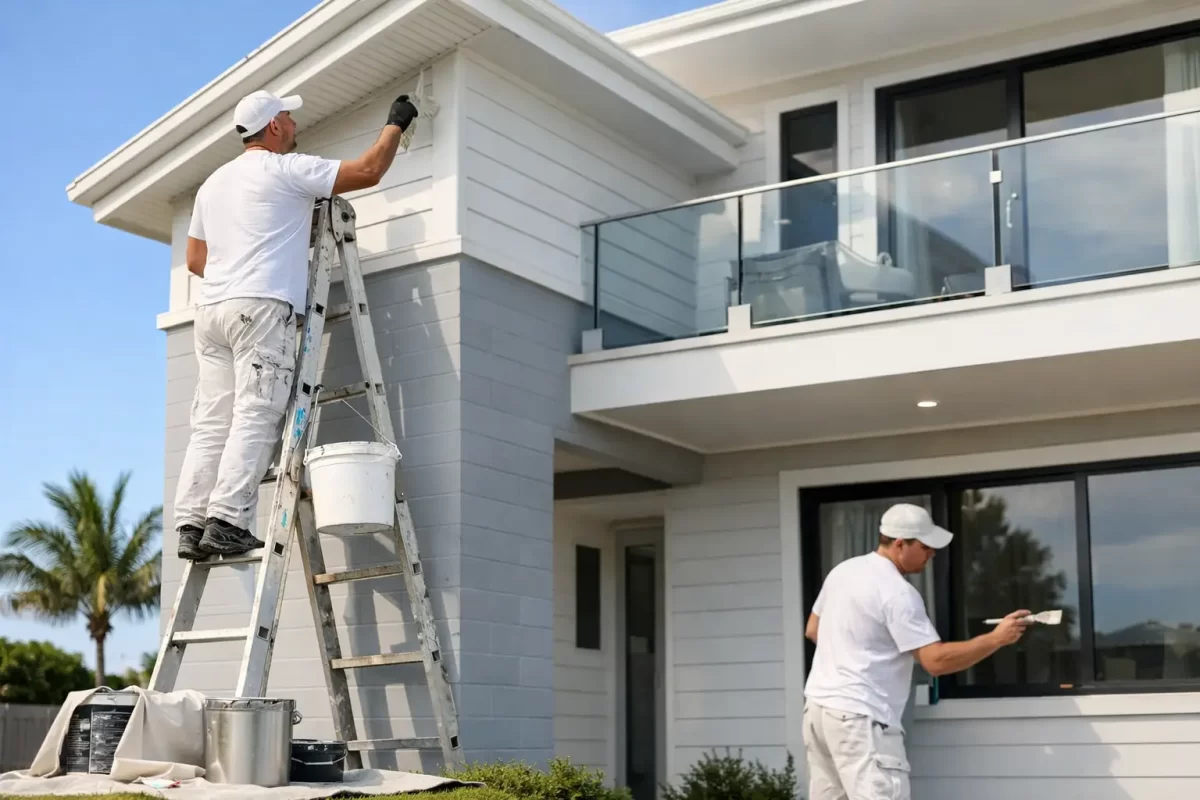
A fresh exterior paint job should do more than make a property look tidy from the street. It should protect the building materials beneath it from sun, rain, humidity and coastal exposure. When choosing exterior house painters Tweed property owners can rely on, the real difference is rarely just the final colour. It is the preparation, product choice, workmanship and care taken around your home from the first inspection to the final clean-up.
In Tweed and nearby coastal areas, exterior surfaces work hard. Strong UV, wet weather, salt in the air and changing temperatures can all shorten the life of a poor-quality paint system. A professional result starts with understanding what the house needs, rather than applying a standard solution to every surface.
Exterior House Painters Tweed Homeowners Can Trust
A quality painter will assess the condition of the exterior before recommending colours or coatings. Timber weatherboards, rendered walls, brick, metal fascia, eaves and previously painted surfaces all need a different approach. The right process depends on the material, its current condition and the level of exposure it receives.
For example, peeling paint is not simply an appearance issue. It can point to moisture, poor adhesion, inadequate previous preparation or coatings that are no longer suitable for the surface. Painting over it may offer a short-term improvement, but the problem is likely to return. Proper scraping, sanding, repairs, priming and drying time create the foundation for a finish that lasts.
This is where experienced tradesmen add real value. They know when a surface can be cleaned and recoated, when it needs more extensive preparation, and when a repair or plastering service should happen before painting begins. Clear advice upfront helps prevent unwanted surprises once the work is underway.
Preparation Is What Protects the Finish
The visible paint coat gets the attention, but preparation takes up much of the work on a well-managed exterior project. It is also one of the easiest areas for an unreliable contractor to cut corners.
Before paint is applied, exterior walls and trims may need washing to remove dirt, chalking residue, mould, salt and loose material. Cracks and gaps should be addressed with suitable fillers or sealants. Flaking areas need to be sanded back, while bare timber, repaired sections and other exposed substrates often require the correct primer.
Preparation also includes protecting the property. Windows, paths, decks, gardens and outdoor furniture should be covered or masked as needed. A professional team plans access carefully, keeps the work area orderly and treats your home with respect. That matters whether you are living in the property during the work, preparing it for sale or managing a renovation with several trades on site.
There are times when complete paint removal is necessary, but it is not always the right answer. If existing coatings are sound and compatible, a thorough clean, spot preparation and quality topcoat system may provide excellent value. If the surface is badly deteriorated, more extensive work may be the only sensible way to achieve a dependable result. A good quote explains the difference so you can make an informed decision.
Choosing Coatings for Coastal Conditions
Paint is not one-size-fits-all. Exterior coatings need to suit the surface and the environment, particularly on properties exposed to harsh sunlight or sea air. A quality system typically includes suitable primers where required and durable exterior topcoats designed to resist fading, cracking and weathering.
The cheapest paint option can be tempting, especially on a large home. However, lower-grade products may not offer the same coverage, adhesion or long-term colour retention. That can mean repainting sooner than expected. At the same time, the most expensive product is not automatically the best choice for every job. The correct coating is the one that matches the substrate, condition and expected exposure.
Sheen level also deserves consideration. Low-sheen finishes are popular for exterior walls because they provide a clean look while helping to hide minor surface imperfections. Semi-gloss or gloss finishes are commonly used on doors, trims and metalwork because they are more washable and create definition. Higher sheens can show surface flaws more readily, so preparation becomes even more important.
Colour Choices That Work Beyond the Sample Card
Colour can change how a home feels, but it also affects how the exterior performs and how much maintenance it may need. Dark colours can look striking on contemporary homes, yet they absorb more heat and may be less forgiving on large sun-exposed walls. Very light colours can brighten a façade, although they may show dirt or staining more noticeably in some settings.
It helps to view test patches outdoors at different times of day. A colour that looks soft and warm in a showroom can appear much brighter in full sunlight. Existing roof colours, brickwork, paving, fences and neighbouring surroundings should all be considered before settling on a scheme.
For many homeowners, the safest approach is to choose a main wall colour that complements fixed features, then use trims and doors to add contrast. A colour consultation can make this process far less stressful, especially when there are multiple finishes, renovation elements or family preferences to balance.
What a Clear Exterior Painting Quote Should Cover
A quote should give you confidence about what is included, not leave you guessing once the job starts. It should identify the areas to be painted, the preparation required, the paint system proposed and any exclusions or repair work that may sit outside the original scope.
Ask how the painter will handle peeling paint, cracks, mould, timber damage or areas that cannot be fully assessed until access is available. These issues do not always mean the quote is unreliable. They are common on older properties. What matters is that the contractor raises them early and explains how they would be managed.
You should also know how the team will protect surrounding areas, manage access and keep the site tidy. Communication is part of workmanship. If weather delays the schedule, a professional painter should keep you informed rather than leaving you wondering when the job will resume.
Price is naturally important, but comparing quotes only by the bottom line can be misleading. One proposal may allow for washing, filling, priming and premium exterior coatings, while another may include a quicker repaint with limited preparation. They are not equivalent jobs, even if both are described as exterior painting.
Signs of a Professional Finish
Once the work is complete, the exterior should look consistent from close up and from the street. Edges around windows, eaves and trims should be neat. Paint coverage should be even, with no obvious misses, drips, roller marks or overspray on nearby surfaces.
A professional finish also means the practical details have been handled. Gates should still open properly, outdoor fittings should be clean, and the site should be left free of paint debris and unnecessary rubbish. The team should be available for a final walk-through so you can inspect the result and raise any reasonable questions.
At Jag Painting Solutions, the focus is on delivering this level of care through experienced workmanship, considered preparation and straightforward communication. Whether the project is a full exterior repaint, a renovation refresh or selected weathered areas, the aim is to provide a finish that looks right and performs well.
Plan Before the Exterior Needs Saving
The best time to organise exterior painting is often before major peeling, timber damage or widespread coating failure develops. Keep an eye on sun-facing walls, timber trims, eaves, decks and areas near gardens where moisture can linger. Early maintenance can be more manageable than a large repair project later.
If your property is starting to look tired or you are unsure what its exterior needs, arrange a detailed inspection and free quote. The right painter will give you practical advice, explain the scope clearly and help you choose a finish that protects your home for years to come.


