

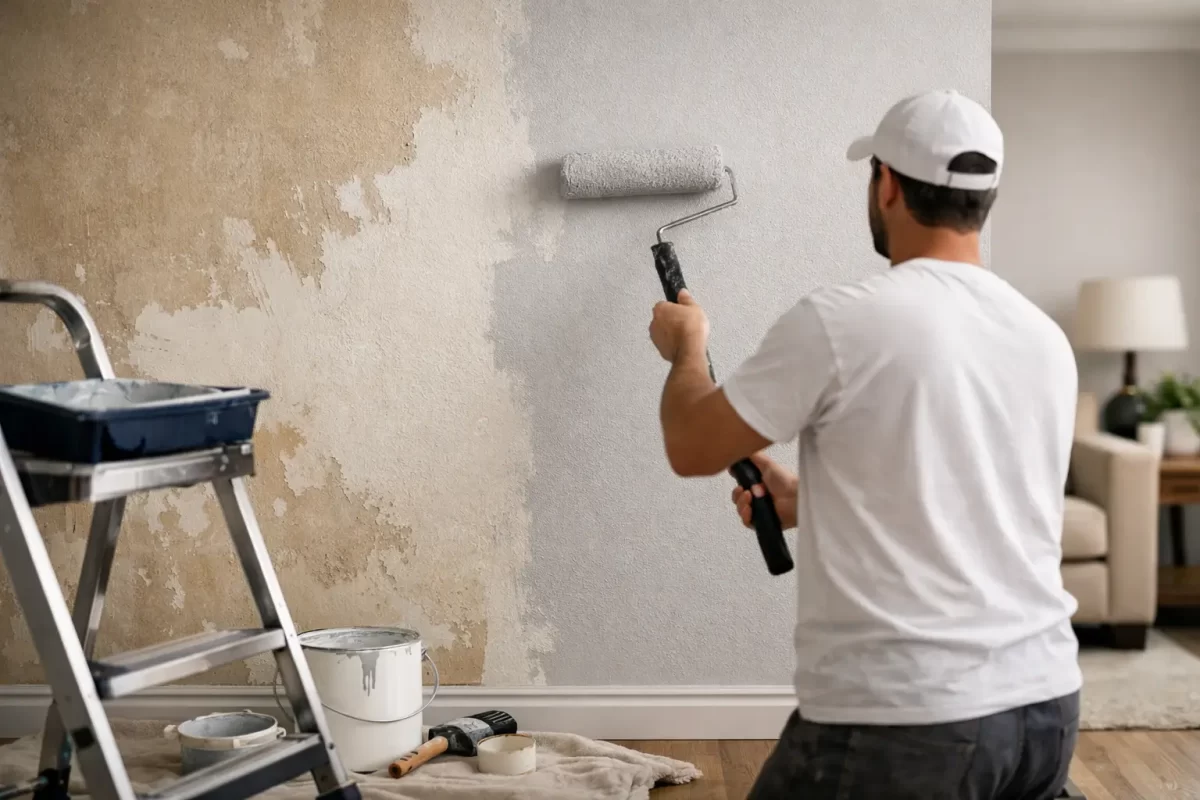
A freshly painted wall does more than change a room’s colour. It makes a home feel cleaner, brighter and properly cared for. But knowing how often should walls be repainted is not as simple as following a fixed calendar. A quiet guest room may look great for a decade, while a busy hallway, humid bathroom or sun-exposed living area can need attention much sooner.
On the Gold Coast, heat, humidity, salt air in coastal areas, active family life and strong natural light can all affect how long a paint finish stays looking its best. The right timing comes down to the room, the condition of the existing paint and the standard of finish you want to maintain.
How Often Should Walls Be Repainted?
As a practical guide, most interior walls benefit from repainting every five to seven years. This is a useful starting point for well-prepared walls painted with quality products and looked after reasonably well.
That said, high-traffic spaces often need repainting every three to five years. Hallways, entryways, kitchens, children’s bedrooms and family rooms tend to collect scuffs, fingerprints and marks much faster than low-use rooms. Bathrooms may also need earlier repainting when ventilation is poor or moisture has started to affect the coating.
Less-used spaces, such as formal lounges, spare bedrooms and home offices, can often go seven to 10 years before repainting is needed. If the walls are clean, the colour still suits the space and there are no cracks, stains or peeling areas, there is no need to paint simply because a certain number of years has passed.
Exterior walls work to a different schedule. Depending on the surface, paint system, exposure and maintenance, an exterior repaint is commonly needed every five to 10 years. Coastal properties, timber cladding and elevations exposed to harsh afternoon sun may sit at the earlier end of that range.
A Room-by-Room Repainting Guide
Hallways, entryways and living areas
These areas receive the most day-to-day contact. Shoes brushing walls, furniture being moved, bags, pets and children can all leave marks that regular cleaning will not fully remove. Repainting every three to five years is common, particularly in light colours where scuffs stand out.
A washable, durable interior paint can extend the time between repaints. The trade-off is that a good finish relies on proper surface preparation. Painting over greasy marks, dents or uneven patching may cover the problem temporarily, but it will not produce a clean, long-lasting result.
Kitchens and dining spaces
Kitchen walls deal with airborne grease, steam and food splashes. Even where surfaces look clean, paint can gradually become dull or yellowed, especially around cooktops and frequently used preparation areas. Plan on assessing kitchen walls every three to five years.
Good extraction and regular gentle cleaning make a noticeable difference. When repainting, the walls need to be properly washed and de-greased before any new coating is applied. Skipping this step can affect adhesion and lead to patchy results.
Bathrooms and laundries
Bathrooms and laundries may need repainting every three to four years, particularly if they have limited ventilation. Persistent moisture can cause mould spotting, bubbling, peeling or staining around ceilings, windows and exhaust fans.
Repainting should not be treated as the only answer to moisture problems. If mould keeps returning, improve ventilation, check for leaks and make sure affected areas are cleaned and treated correctly before painting. A quality moisture-resistant paint system is valuable, but it cannot solve an underlying water issue.
Bedrooms and low-traffic rooms
Adult bedrooms and spare rooms can often go five to 10 years between repaints. Their walls generally receive less wear, although sunlight can still fade strong colours or create uneven patches behind furniture and artwork.
Children’s rooms usually have a shorter cycle. Creative marks, handprints and regular knocks can make a repaint worthwhile every three to five years. Choosing a hard-wearing, washable finish gives you more flexibility between full repaints.
Signs Your Walls Need Repainting Now
The calendar is useful, but the condition of the wall is the better guide. Fading is one of the clearest signs, especially on walls exposed to strong sunlight. Colours can lose their depth gradually, so the difference often becomes obvious only after moving a picture or piece of furniture.
Scuffing, marks and stains are also common reasons to repaint. Some can be cleaned, but repeated scrubbing may leave shiny patches or wear through the coating. When touch-ups no longer blend in, repainting the full wall usually gives the best result.
Watch for peeling, flaking, bubbling or cracking paint. These are not merely cosmetic issues. They can indicate poor adhesion, moisture, movement in the surface or previous preparation problems. The cause should be identified before new paint goes on.
Other signs include visible plaster repairs, dents, nail holes, mould staining and a finish that looks chalky or tired. A repaint can also be the right choice when the room no longer reflects how you use the space. Updating a dark, dated colour can make a smaller room feel more open or help a property present better before sale or lease.
What Changes the Lifespan of a Paint Finish?
The quality of the previous paint job matters as much as the paint itself. Walls that were cleaned, patched, sanded and primed where needed will generally hold their finish longer than walls painted quickly over poor surfaces.
Paint selection also matters. Interior walls need products suited to the space, with the right level of washability and sheen. A flat finish can look elegant and hide minor imperfections, but it may be less forgiving in a busy hallway than a low-sheen washable option. There is no single best choice for every room.
Your household and property conditions make a difference too. A home with young children, pets or frequent entertaining will naturally see more wear. In commercial settings, customer traffic, furniture movement and cleaning routines can shorten the repainting cycle. Properties near the coast may also need more regular exterior maintenance because salt and weather exposure place greater demands on painted surfaces.
Repainting Versus Touch-Ups
A small touch-up can be practical for a recent mark or minor repair, provided you still have the original paint and the existing wall has not faded. Even then, a touch-up can flash or appear slightly different depending on the sheen, lighting and age of the coating.
For larger stains, multiple repairs or widespread scuffing, repainting the whole wall is usually the more professional option. It creates an even finish from corner to corner and avoids a patchwork appearance. If several walls look tired, repainting the full room can deliver a more balanced result and make the colour feel intentional.
Why Preparation Should Never Be Rushed
A lasting repaint starts before the first coat. Surfaces need to be assessed for cracking, water damage, mould, loose paint and plaster issues. Walls should then be cleaned, repaired, sanded where required and primed in the appropriate areas.
This preparation is especially important after renovations. New plaster, repaired walls and changed lighting can all affect the final appearance. Taking the time to address surface imperfections and select a colour that works with the room’s light prevents disappointment once the paint has dried.
For homeowners and business owners who want a tidy, dependable result, an experienced painter can assess the condition of the surfaces and recommend a paint system suited to the property. Jag Painting Solutions approaches each project with careful preparation, quality workmanship and respect for the space being worked in.
If your walls are clean, sound and still suit the room, there is no need to repaint early. But when wear, fading or surface damage begins to distract from your home or workplace, repainting at the right time protects the finish and restores the pride you feel when you walk through the door.


