

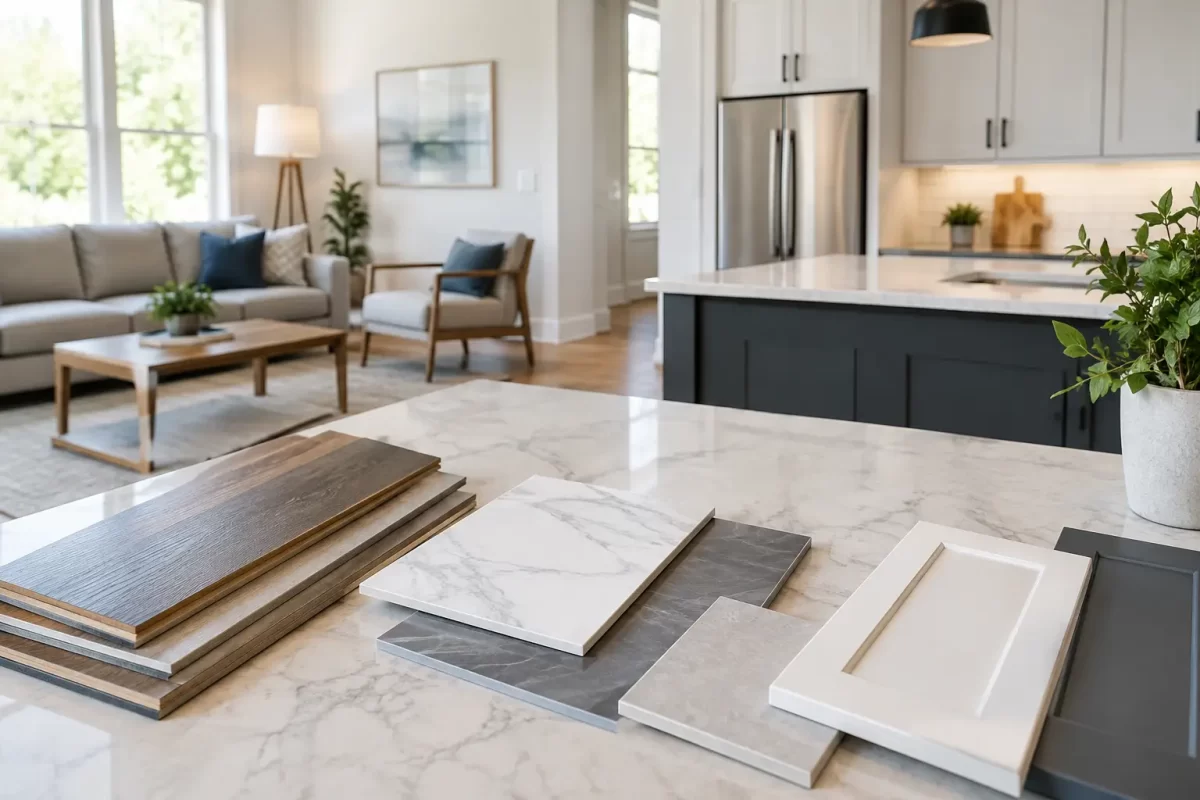
A rental does not need expensive finishes to look well cared for. It needs the best rental property finishes for the way people actually live: durable surfaces, sensible colours and details that can be cleaned, repaired and refreshed without turning every vacancy into a renovation project.
For Gold Coast and Tweed property owners, humidity, salt air in coastal areas and everyday tenant wear all need to be part of the decision. The right finish protects your asset, presents well at inspections and gives good tenants a home they are happy to look after.
Start with durability, not trends
A rental property should feel current, but it does not need to follow every interior trend. Highly specific colours, delicate surfaces and complicated feature treatments can date quickly or cost more to repair. A better approach is to create a clean, neutral base, then choose finishes that handle regular use.
Think about each room separately. A quiet bedroom needs a washable wall coating and practical flooring. A kitchen needs surfaces that cope with moisture, food splashes and frequent cleaning. Entry areas, hallways and living rooms need the greatest resistance to scuffs, marks and furniture movement.
The cheapest option is not always the most cost-effective. Lower-grade paint may require more frequent touch-ups, while poor plaster preparation can show through even after a fresh coat of paint. Spending appropriately on surface preparation and durable coatings usually reduces maintenance between tenancies.
Best rental property finishes for walls and ceilings
Paint has one of the biggest impacts on how a rental feels. Fresh, professionally applied paint makes rooms appear cleaner, brighter and more spacious. More importantly, the correct coating system helps walls stand up to everyday use.
Choose low-sheen washable paint for living areas
For walls in living rooms, hallways, bedrooms and entry spaces, a quality low-sheen washable finish is often the practical choice. It has a soft appearance that suits most properties but is easier to wipe down than a flat finish. It also hides minor imperfections better than glossier paints, which can highlight every bump and uneven patch in a wall.
Flat paints can look smart on a newly prepared wall, but they are more likely to show marks and can be difficult to clean without leaving visible patches. At the other end, high-gloss wall finishes tend to be too reflective for most homes and draw attention to surface flaws.
A good painter will assess the condition of the existing walls before recommending a finish. Cracks, dents, old repairs and uneven plaster should be addressed first. Painting over poor preparation only gives a short-lived result.
Use a clean, flexible neutral palette
Warm whites, soft greys, light greige tones and muted sandy neutrals give tenants room to make the property feel like home. They also work with a wider range of furniture and styling, which helps a rental photograph well for advertising.
Pure bright white can feel stark, particularly in rooms with limited natural light. Very dark colours may look impressive in the right setting, but they show scuffs and make touch-ups more noticeable. If you want character, consider using a restrained accent colour in a low-impact area rather than committing an entire living space to a bold shade.
Colour should also suit the property’s fixed finishes. Check the undertone against tiles, benchtops, flooring and cabinetry before painting. A colour that looks right on a small swatch can appear completely different across four walls in Gold Coast sunlight.
Keep ceilings simple and fresh
Ceilings generally perform best in a flat ceiling white. This finish reduces glare and disguises minor variations in the surface. Where there are water stains, mould marks or nicotine staining, the cause needs to be fixed and the surface properly sealed before repainting.
In bathrooms, laundries and kitchens, adequate ventilation matters as much as the paint itself. If moisture is continually trapped in a room, even a quality coating will struggle to stay looking its best.
Protect high-wear areas with the right trim finish
Doors, door frames, skirting boards and architraves receive plenty of knocks from bags, pets, furniture and vacuum cleaners. A hard-wearing semi-gloss or gloss enamel-style finish is generally a sensible option for these areas because it is more washable and resistant to scuffing than standard wall paint.
Semi-gloss offers a practical middle ground. It gives trim a tidy, durable finish without the very reflective look of full gloss. White trim remains a dependable choice, especially in smaller or older rentals, as it keeps the space light and makes future colour changes simpler.
Do not overlook internal doors. Repainting worn doors and frames can lift the whole property at a relatively modest cost. If a door has chips, sticking issues or damaged hardware, deal with those problems before painting. A neat finish cannot compensate for a door that does not function properly.
Floors, wet areas and practical surface choices
Painting is only part of the picture. The best rental property finishes work together, with each surface chosen for its likely wear.
Hard flooring is popular in rentals because it is easier to clean and generally handles spills better than carpet. Hybrid flooring, quality vinyl planks and tiles can all work well, depending on the property and budget. Choose a mid-tone timber look or neutral tile that does not show every speck of dust, sand or pet hair.
Carpet can still suit bedrooms, particularly where comfort or noise reduction is important. Select a durable, stain-resistant option in a medium neutral tone rather than pale cream. Very dark carpet can show lint and dust, while very light carpet can make each mark look worse than it is.
In kitchens, bathrooms and laundries, prioritise moisture resistance and easy cleaning. Keep grout colours practical, maintain silicone seals and repair water damage promptly. Paint around these areas should be suited to humid conditions, but no paint system can resolve an ongoing leak or inadequate ventilation.
Exterior finishes deserve a maintenance plan
Street appeal can influence both enquiry levels and the calibre of applicants. A neat exterior communicates that the property is managed properly, which can encourage tenants to treat it with the same respect.
Exterior paint needs to cope with UV exposure, rain, heat and, in many coastal locations, salt in the air. Preparation is critical. Flaking paint, chalky surfaces, rust, timber damage and cracking need attention before new coatings are applied. Applying fresh paint over an unstable surface may look good briefly, then fail early.
Neutral exterior schemes are usually the safest long-term option. Whites, off-whites, soft charcoals, muted greens and natural timber tones can suit many Australian homes, but the final choice should work with the roof, driveway, fencing and neighbouring streetscape. If the property has a body corporate or heritage requirements, check these before selecting colours.
A planned exterior repaint is easier to budget for than waiting until coatings have badly deteriorated. Regular washing, prompt repairs and repainting at the right time will protect timber, metal and masonry beneath the finish.
Spend where tenants notice and where repairs cost most
Not every surface needs the premium option. It makes sense to invest in areas that take the most wear or are expensive to rectify later: thorough plaster repairs, quality wall paint, durable trim coatings, waterproofing and exterior preparation.
You can usually save by avoiding overly decorative details that do not improve day-to-day durability. Elaborate feature walls, fragile fixtures and unusual colour schemes may appeal to a small group of renters, but they can narrow the property’s appeal and make future maintenance harder.
Before work begins, make a simple schedule of colours and finishes for every room. Record paint names, sheen levels and product details. This makes touch-ups and future repainting far more straightforward, especially if a different contractor completes the work later.
Get the preparation right before choosing paint
The finish is only as good as the surface underneath it. Professional preparation may include cleaning, sanding, filling cracks and dents, repairing damaged plaster, sealing stains, treating mould and priming bare or repaired areas. These steps take time, but they are where a durable result is made.
For owners preparing a rental between tenants, timing matters. Allow enough time for repairs, painting, curing and a proper final clean before photography or inspections. Rushing the process can lead to missed details, marked walls and unnecessary rework.
If you are unsure which paints, colours or surface repairs will give your property the best return, an experienced finishing team can provide practical guidance based on the condition of the home. Jag Painting Solutions helps property owners achieve tidy, hard-wearing results with careful preparation and respectful service.
A rental should look inviting on day one and remain manageable long after the keys are handed over. Choose finishes that are easy to maintain, have the surfaces prepared properly and keep a record of what has been used. That is how a well-presented property stays that way.


