

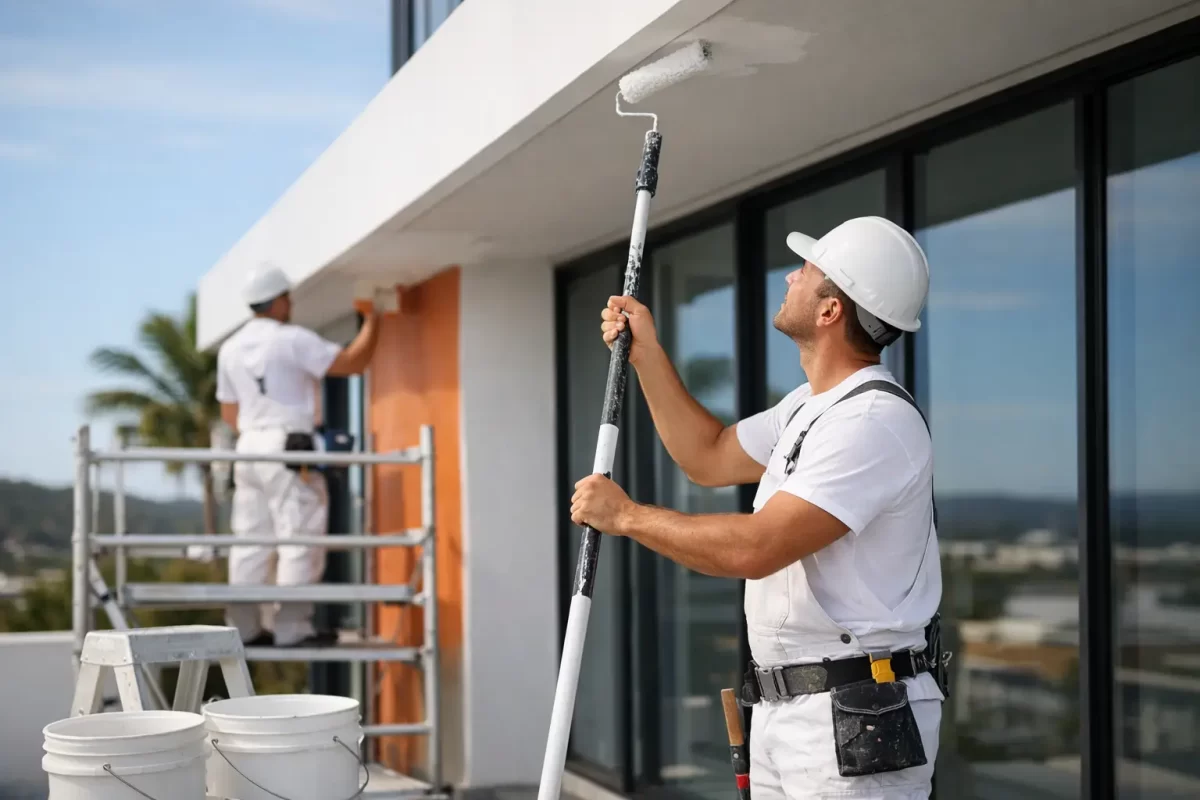
A commercial paint job is rarely just about changing a colour. For a shopfront, office, strata property or hospitality venue, the finish affects how customers see the business, how tenants feel in the space and how well the building stands up to daily wear. Choosing commercial painters Tweed Heads property owners can depend on means choosing a team that plans the work properly, protects the site and delivers a finish built to last.
A professional result starts well before the first coat goes on. It comes from clear communication, thorough surface preparation and practical decisions that suit the building, the budget and the way the space is used.
What commercial painting should achieve
Commercial painting needs to look good, but appearance is only part of the job. High-traffic areas, exterior walls exposed to coastal weather and surfaces around kitchens, corridors or entryways all need coatings that suit their conditions.
The right paint system can make routine cleaning easier, reduce the visible impact of scuffs and help protect surfaces from moisture, UV exposure and general deterioration. This is particularly relevant in Tweed Heads and surrounding coastal areas, where sun, rain and salt air can be hard on exterior finishes.
For business owners, a well-managed painting project should also limit disruption. That may mean staging the job across sections of a property, working around trading hours where practical, or keeping walkways and access points tidy throughout the work. The best approach depends on the site. A small office can often be completed in a short window, while a busy retail or strata property may need a more carefully staged programme.
Commercial painters Tweed Heads businesses need
When comparing commercial painters in Tweed Heads, look beyond the quoted price. A low figure can become expensive if preparation is rushed, unsuitable products are used or the job needs to be redone earlier than expected.
An experienced commercial painter should take the time to inspect the surfaces and identify issues before work begins. Peeling paint, water staining, cracking, damaged plaster, mould or failing sealant should not be painted over and forgotten. These problems need the right treatment first, otherwise they can affect the appearance and life of the new coating.
Clear scope matters as well. Before approving a quote, you should understand which areas are included, what preparation is required, how many coats will be applied and whether minor plaster repairs or patching are part of the work. This avoids uncertainty once the project is under way.
A dependable team will also communicate about timing, access and site protection. Commercial premises often have staff, customers, tenants, stock and equipment to consider. Careful masking, covering and clean-up are not extras. They are part of doing the job professionally.
Preparation is where the finish is won
Fresh paint cannot hide every surface issue. It may improve the look temporarily, but poor preparation often shows through as uneven texture, visible patching, flaking or inconsistent sheen.
Proper preparation can include washing down surfaces, scraping loose paint, sanding, filling cracks, repairing damaged plaster and applying the appropriate primers. On exterior work, it may also involve treating mould or addressing weathered timber and metal before coatings are applied.
The preparation required will vary. A recently built office with sound walls may only need minor patching and cleaning. An older commercial property with repeated maintenance work may need more extensive repairs to achieve an even result. A good painter explains this difference rather than applying the same process to every building.
Product choice should suit the space
Paint selection should be based on use, exposure and the finish you want to maintain. Durable low-sheen coatings can be a practical choice for many internal commercial walls because they offer a clean look while being easier to maintain than flatter finishes. Higher-gloss coatings may suit doors, trims and selected hard-wearing surfaces, although they can highlight imperfections if the preparation is not right.
Exterior products need to cope with sun and wet weather. Metal, masonry, timber and previously painted surfaces may each require a different primer or coating system. This is one reason a site inspection is valuable. The right product is not always the most expensive one, but it should be appropriate for the substrate and expected conditions.
Colour selection also deserves more thought than many people expect. Brand colours can strengthen recognition, while neutral tones can make an office, reception area or retail space feel brighter and more welcoming. Strong feature colours can work well in the right setting, but they need to complement lighting, flooring and existing fixtures. Colour consultation is useful when several decision-makers are involved or when a property needs a coordinated finish across multiple areas.
Planning around your business operations
Painting can be disruptive if it is not organised well. Strong paint odours, drying times, wet surfaces and equipment all need to be managed around staff and visitors. A professional contractor will discuss these details early so there are no surprises on the day.
For an occupied property, the work may be completed one area at a time. Furniture can be moved or covered, access can be maintained where possible and work zones can be kept clearly separated from customers or tenants. If work must occur after hours or during quieter periods, this should be agreed in advance and reflected in the project plan.
The same consideration applies to exterior painting. Shopfronts, entrances, car parks and shared pathways need sensible planning. Safety, public access and protection of surrounding surfaces all matter, especially where the building remains open during the work.
Questions worth asking before you accept a quote
A quote should give you confidence, not leave you guessing. Ask how the painter will prepare the surfaces, what products are proposed and whether the work includes repairs to minor cracks or damaged plaster. It is also sensible to ask how the team will protect floors, furniture, landscaping, signage and nearby vehicles.
Discuss the expected timeframe and whether the property can remain operational during the job. If there are tenants, staff or customers on site, explain any access restrictions, noise concerns or sensitive areas upfront. The more detail shared early, the smoother the project is likely to run.
You should also confirm who will be carrying out the work and how the site will be left at the end of each day. Professional tradesmen understand that presentation matters while the job is in progress, not only when the final coat is dry.
A finish that supports your property
Commercial painting is an investment in the condition and presentation of your property. A clean, consistent finish can improve first impressions, support a professional workplace and help keep maintenance issues from becoming more noticeable. For landlords and property managers, it can also make a space more appealing between tenancies or as part of planned upkeep.
Jag Painting Solutions provides commercial painting, plastering and colour guidance for businesses and property owners across the Gold Coast and Tweed. The focus is on careful workmanship, respectful service and clear communication from the first inspection through to the final clean-up.
Whether you are refreshing a customer-facing space, maintaining a rental property or preparing premises for a new tenant, the right painting team will make the process easier. Start with a detailed quote and a practical conversation about the condition of your surfaces, your operating needs and the result you want the property to deliver.


