

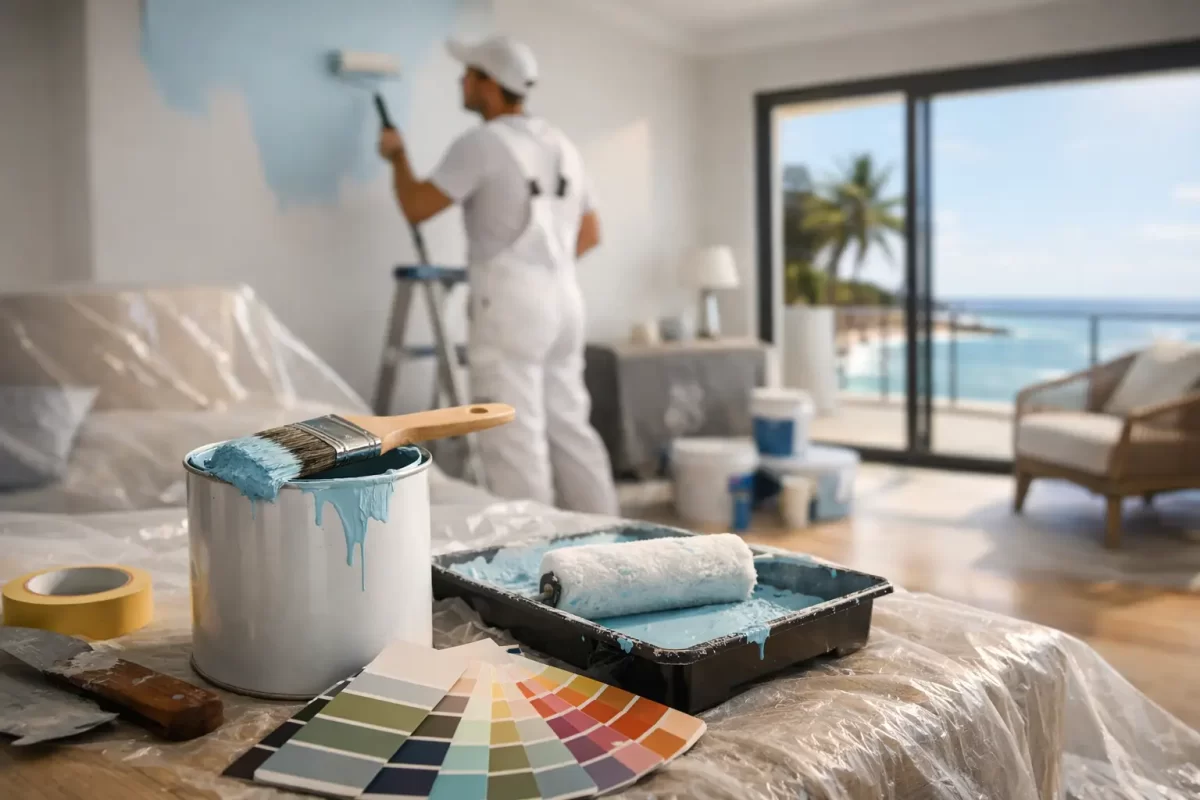
A freshly painted interior can make a tired home feel properly cared for, but the cheapest quote is not always the most affordable outcome. This interior painting cost guide explains what you are paying for, what can change the final figure, and how to compare quotes with confidence before work begins.
For Gold Coast homeowners and renovators, professional interior painting is usually priced around the size and condition of the space, rather than a simple per-room rate. A small, empty bedroom in good condition is very different from a living area with high ceilings, repaired plaster, detailed trim and furniture to protect.
What does interior painting usually cost?
There is no reliable one-price answer for every property. As a broad starting point, professional interior painting may range from several hundred dollars for a straightforward single room to many thousands for a full home repaint. The scope makes the difference.
A painter may price by square metre, by room, by day, or as a fixed project quote. Fixed quotes are often easiest for homeowners to understand because they should set out the agreed preparation, paint system, number of coats and included areas. They also provide greater clarity when the job involves several rooms, ceilings, doors, skirting boards or plaster repairs.
When comparing estimates, be cautious of figures that seem dramatically lower than the others. They may allow less time for preparation, use a lower-grade paint, exclude ceilings or timberwork, or assume the walls are in better condition than they are. A quality finish depends on the work done before the first coat goes on.
The main factors behind an interior painting quote
Room size, layout and ceiling height
Larger rooms require more paint and labour, but the floor area alone does not tell the full story. Wall height, the number of windows and doors, stairwells, built-in cabinetry and awkward corners all affect the time required.
High ceilings and voids need suitable access equipment and additional care. Painting a compact bedroom with standard ceilings is generally more straightforward than painting an open-plan living space with raked ceilings or a stairwell that is difficult to reach safely.
Surface preparation and repairs
Preparation is where a professional painting job earns its value. Walls may need washing, sanding, filling, gap sealing, spot priming or more substantial plaster repairs before they are ready to paint.
Small nail holes are routine. Water staining, peeling paint, cracking, dents, failed cornice joins and damaged plaster are different matters. If the underlying surface is not properly repaired and sealed, new paint will not hide the problem for long.
A clear quote should explain whether minor filling is included and how larger repairs will be handled. This avoids a frustrating surprise once furniture has been moved and the real condition of the walls is visible.
The paint selected
Paint quality has a direct impact on coverage, durability, washability and appearance. Premium interior paints generally cost more upfront, but can offer better coverage and a finish that stands up more effectively in busy family areas, hallways, kitchens and rental properties.
The chosen sheen also matters. Flat or low-sheen finishes are popular for walls because they give a soft appearance and help disguise minor surface variation. Semi-gloss or gloss is commonly used on doors, frames and skirting boards because it is hard-wearing and easier to clean. Different surfaces often require different products, primers and application methods.
A good painter can guide you through colour and finish choices based on how each room is used, the available natural light and the condition of the substrate. Choosing the right system is more useful than simply choosing the most expensive tin on the shelf.
How many coats are needed
Most interior repaints require at least two finish coats for an even, durable result. However, more coats may be needed when changing from a dark colour to a light one, painting over strong reds or blues, covering stains, or applying a new colour to unpainted plaster.
Primer is not always required across every wall, but it is essential in particular situations. Fresh plaster, repaired areas, water marks and significant colour changes may all need appropriate priming. A quote based on one quick coat can look attractive, but it is unlikely to deliver the coverage and consistency most homeowners expect.
Occupied homes and access
An empty property is normally faster to paint than a furnished home. In an occupied house, painters need to move carefully around belongings, protect floors and furniture, work around family routines and leave each area tidy at the end of the day.
This care is worthwhile. It helps protect your home while the work is underway, but it does add labour time. If possible, clearing smaller items, pictures and fragile belongings before the team arrives can make the process more efficient. Your painter should still cover fixed furniture and flooring as part of proper site protection.
Doors, trims and detailed work
Walls are only part of an interior repaint. Ceilings, cornices, skirting boards, doors, window frames and built-in shelving all add detail and labour. Timberwork can require cleaning, sanding, undercoating and multiple enamel coats to achieve a smooth, durable finish.
These items should be clearly separated or identified in your quote. It is common for homeowners to assume that “painting a room” includes the ceiling and all trim, while the painter has allowed for walls only. Getting this confirmed in writing prevents misunderstandings.
A practical interior painting cost guide for comparing quotes
A professional quote should make it easy to see what is included. Before accepting one, check that it covers the same scope as the other quotes you have received. The price is only meaningful when the work being offered is genuinely comparable.
Look for clear details on the areas to be painted, surface preparation, repairs, paint brand or quality level, number of coats, and whether ceilings, doors and trims are included. It should also state who supplies the paint, how the home will be protected, and whether rubbish removal and final clean-up are part of the job.
Ask how unforeseen issues will be managed. For example, hidden water damage or loose plaster may not be visible at the quoting stage. A dependable contractor will explain the likely next step, seek approval for additional work where required, and communicate early rather than presenting an unexplained extra charge at the end.
It is also reasonable to ask about timing. A rushed project can affect both the finish and your experience of the work. Proper drying time between coats, especially in humid conditions, is part of achieving a finish that lasts.
Where spending more can make sense
Not every room needs the same level of investment. A spare room being prepared for sale may need a clean, neutral refresh, while a main living area or family hallway may justify a more durable paint and thorough repair work.
Spending more is often sensible when the surface condition is poor, the room receives heavy use, or you are making a major colour change. It can also be worthwhile for feature walls, detailed timberwork and rooms where strong lighting will show every imperfection.
On the other hand, you may be able to reduce costs by painting rooms at the same time, keeping the existing colour family, clearing access before the job starts, and limiting unnecessary changes once work is booked. The goal is not to cut preparation or paint quality where they matter, but to plan the project efficiently.
Getting an accurate quote for your property
The most accurate estimate comes from an on-site inspection. Photos can help with an early discussion, but they do not always show uneven walls, old repairs, access restrictions or the condition of existing paintwork.
During a quote visit, point out any concerns such as cracks, stains, peeling areas and previous leaks. Discuss which rooms are priorities, whether you want ceilings and trims included, and whether you need help narrowing down colours. The more clearly the scope is agreed, the more reliable the price will be.
Jag Painting Solutions approaches interior work as a complete finishing service, with careful preparation, professional application and respect for the home throughout the project. A detailed quote gives you a sound basis for deciding what is right for your property, rather than leaving the result to assumptions.
The best next step is to walk through your home with an experienced painter and talk openly about the finish you want, the condition of the surfaces and your budget. A clear scope and a well-prepared surface will do more for the final result than a bargain price ever can.


