

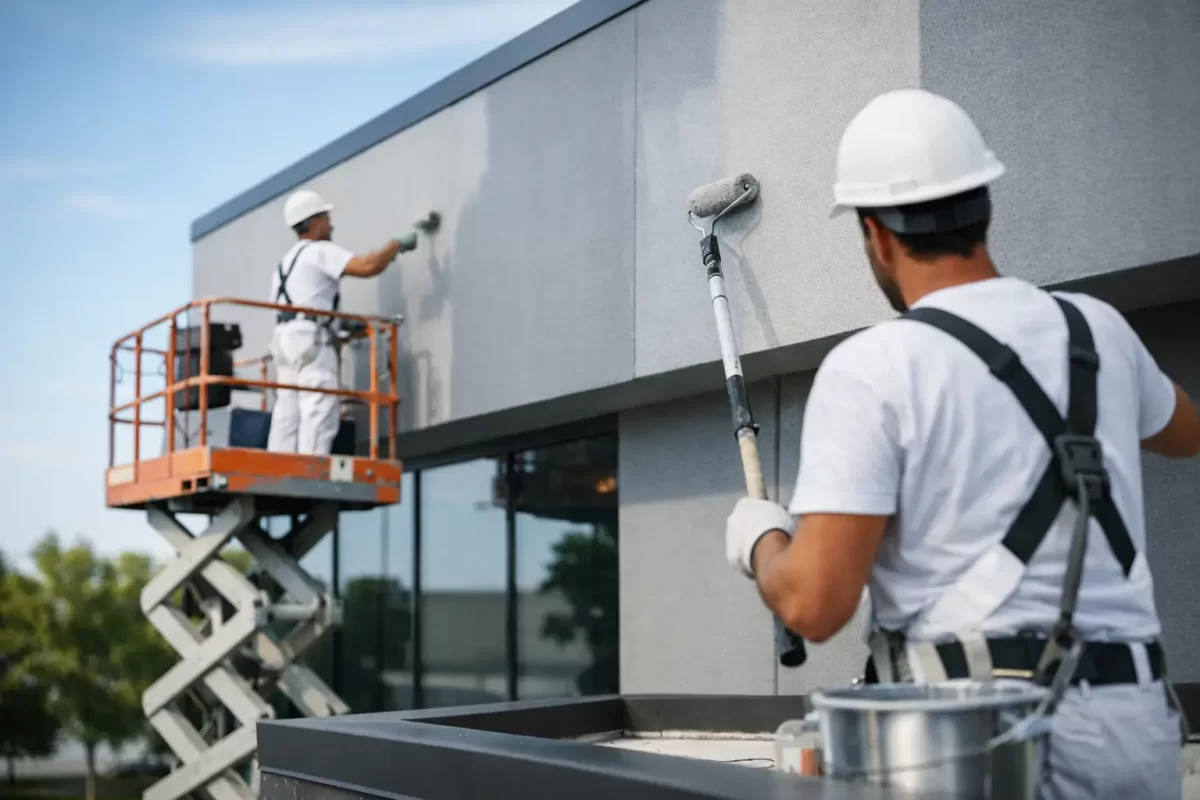
A faded shopfront, peeling fascia or stained rendered wall can make a well-run business look neglected before a customer walks through the door. Painting commercial exteriors is not simply a cosmetic job. Done properly, it protects the building materials underneath, supports your property’s presentation and helps prevent small surface issues becoming larger repair bills.
For commercial property owners and managers, the challenge is getting quality work completed with minimal disruption. That means clear planning, suitable products, careful preparation and tradesmen who respect the site, its tenants and its customers.
Why exterior paintwork deserves proper planning
Commercial buildings face more than everyday wear. On the Gold Coast and in Tweed, strong sun, humidity, heavy rain and coastal air can all affect paint coatings. UV exposure can fade darker colours and break down older finishes, while moisture can find its way into cracks, unsealed joints and damaged timber.
A fresh coat of paint may improve the appearance for a while, but it will not solve loose render, rotting timber, rusting metal or water damage. These issues need to be identified and addressed before painting begins. Skipping this stage is one of the main reasons exterior paint fails early.
The right approach also depends on the building. A retail frontage has different needs to a strata complex, office building, warehouse or childcare centre. Some sites need work scheduled around customers and deliveries. Others require careful coordination with tenants, body corporates or other trades. A professional painting contractor should consider these practical details before the first surface is prepared.
What quality painting commercial exteriors involves
A lasting result starts well before the paint is opened. Preparation is the part of the job that is least visible once complete, but it has the greatest effect on how the finish performs.
Assessing the condition of every surface
An experienced painter will inspect the exterior for flaking paint, chalking, cracks, mould, rust, failing sealant and signs of moisture damage. They will also identify the existing surface type, whether it is render, brick, timber, weatherboard, metal cladding, concrete or previously painted masonry.
This matters because different materials require different preparation and coating systems. Metal may need rust treatment and an appropriate primer. Render may need crack repairs and a breathable coating. Timber may need sanding, filling and protection around exposed edges. Using one approach across every surface can compromise the finish.
Cleaning, repairs and surface preparation
Exterior surfaces collect dirt, salt, pollution, cobwebs and mildew. Painting over contamination can reduce adhesion and leave an uneven result. Washing and treating affected areas creates a clean base for the next stage.
Loose or peeling paint must be removed, while sound existing coatings may be sanded to provide a suitable key. Cracks, holes and damaged areas should be repaired with products designed for exterior movement and weather exposure. Gaps around windows, doors and joins may also need flexible sealant to help keep moisture out.
There is no benefit in rushing preparation to start painting sooner. A clean, dry and stable surface gives the coating the best chance of lasting as intended.
Choosing coatings for the site, not just the colour chart
Exterior paint needs to suit the substrate and the local conditions. High-quality acrylic coatings are commonly used on masonry and rendered surfaces because they provide good durability and flexibility. Metal, timber and specialty finishes may require primers and topcoats chosen specifically for those materials.
Colour choice has a practical side as well. Dark colours can absorb more heat, which may place extra stress on some surfaces and coatings. Very light colours can show dirt more readily in high-traffic areas. For a commercial property, the best choice often balances brand presentation, maintenance needs and the building’s exposure to the weather.
A colour consultation can be especially useful when refreshing a dated facade, matching existing signage or selecting complementary colours for trims, doors and feature areas. The aim is a professional result that suits the property rather than a colour that looks good only on a small sample card.
Planning around your business operations
Commercial exterior painting should be organised to protect your day-to-day operations. Customers should be able to access the premises safely where possible, and staff should know which areas will be affected and when.
Before work starts, discuss access requirements, parking, deliveries, operating hours and any areas that need to remain open. A clear plan helps manage practical matters such as ladders, scaffolding, drop sheets, work zones and the protection of windows, gardens, signage and outdoor furniture.
For multi-tenancy properties, communication is just as important as the paintwork. Tenants need reasonable notice, and the work may need to be staged to reduce inconvenience. On a busy retail or hospitality site, early morning, quieter trading periods or sectional work may be the best option. It depends on the building and the level of access required.
Weather also needs to be managed carefully. Exterior coatings should not be applied to wet surfaces or during unsuitable conditions. A reliable contractor monitors the forecast and adjusts the schedule when necessary rather than pushing ahead and risking the finish.
Common shortcuts that cost more later
The cheapest quote is not always the lowest overall cost. A low price can sometimes reflect limited preparation, unsuitable products, too few coats or unrealistic time allowances. Those shortcuts may not be obvious immediately, but they can show up as peeling, patchiness, premature fading or moisture-related damage within a short period.
Be cautious if a quote does not clearly explain what is included. You should understand which areas are being painted, what preparation and repairs are allowed for, the type of coatings proposed, the number of coats and how the site will be protected. If there are exclusions, they should be clear from the beginning.
It is also worth asking how unexpected issues will be handled. Once old paint is removed or high areas are accessed, hidden damage can sometimes be found. A straightforward contractor will explain the issue, provide options and seek approval before carrying out additional work.
Maintaining a newly painted exterior
Good paintwork does not need constant attention, but regular checks can extend its life. Wash down areas that collect dirt and salt, particularly near the coast or along busy roads. Keep gutters and downpipes working properly so water does not overflow onto painted walls, fascias or timber.
Inspect the exterior after periods of heavy weather. Look for cracked sealant, damaged coatings, rust spots, mould growth or paint lifting around joins and penetrations. Addressing a small fault early is usually simpler than repairing water-damaged materials later.
Trees and shrubs should be kept clear of walls where possible. Constant rubbing can mark paint, while dense growth can hold moisture against the building and restrict airflow. If signage, air-conditioning units or fixtures are replaced, make sure any exposed fixings or old holes are properly sealed and touched up.
Selecting the right commercial painting team
The right painting team brings more than a brush and a ute. Look for experienced tradesmen who can assess surface condition, explain the work in plain language and provide a detailed quote. They should be willing to discuss timing, access, protection of surrounding areas and the products best suited to your building.
Professional conduct matters on a commercial site. Clean work areas, respectful communication and reliable scheduling make a real difference to property managers, staff and customers. So does a careful final inspection to make sure edges, trims, repaired areas and overall coverage meet the expected standard.
For business owners, renovators and property managers, the goal is simple: an exterior that looks sharp, stands up to the conditions and reflects the standard of the business inside. Jag Painting Solutions can provide a free quote and practical advice for commercial exterior painting across the Gold Coast and Tweed, with careful preparation and workmanship at the centre of the job.
A well-maintained exterior gives people confidence in a property before they step through the door. Give it the same level of care you expect from every other part of your business.


