

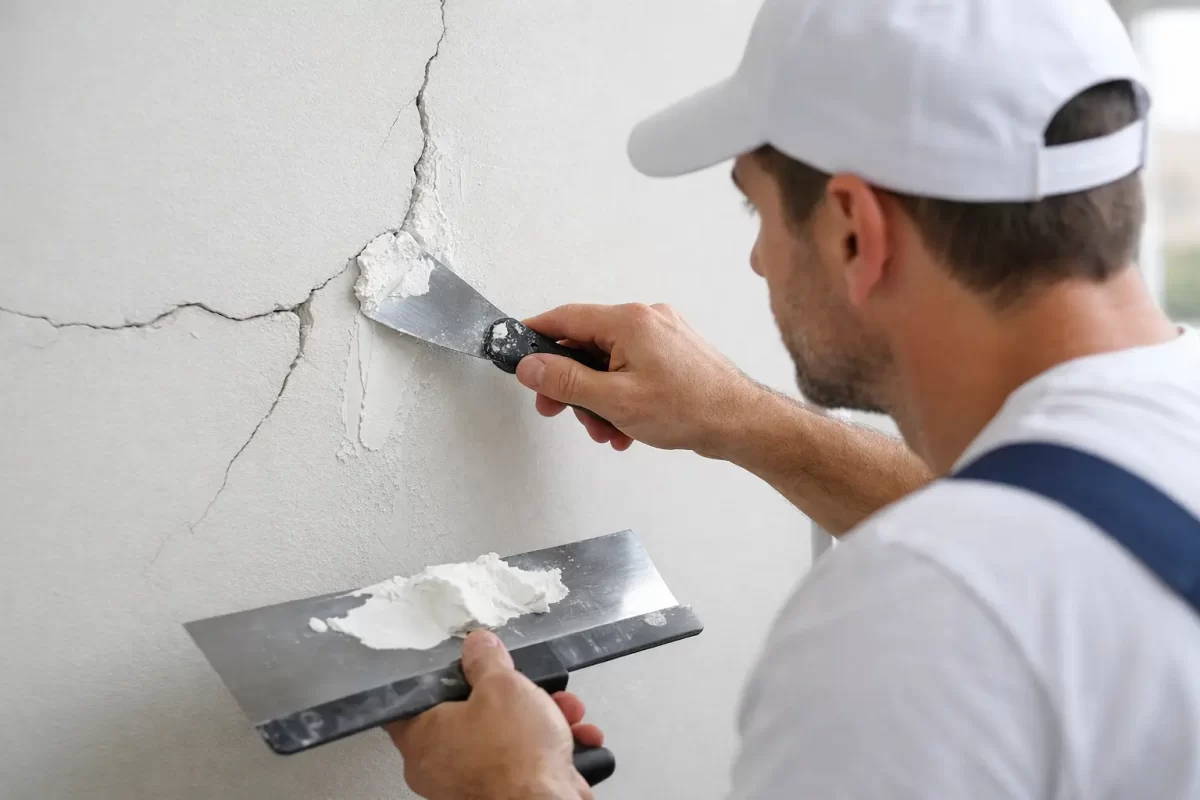
A freshly painted wall will not hide a crack for long. If movement, poor preparation or water damage is behind it, the line can show through the new paint surprisingly quickly. So, can painters repair plaster cracks? In many cases, yes. An experienced painter with plastering skills can prepare, repair and repaint minor to moderate plaster cracking so the finished wall looks smooth and holds up well.
The key is knowing whether the crack is a surface-finishing issue or a sign that something underneath the wall needs attention first. A professional approach does not simply cover the problem. It starts with assessing the crack, addressing its cause where possible, then using the right repair method for the wall and the final paint system.
When painters can repair plaster cracks
Most common plaster cracks around a home can be repaired as part of a painting project. These include fine hairline cracks, small cracks along joints, minor settlement cracks, and damage caused by knocks, removed fittings or picture hooks. They are particularly common in established homes, renovated rooms and areas where different building materials meet.
A capable painting and plastering team can open up the crack where required, remove loose material, apply a suitable filler or joint compound, reinforce the area with tape when needed, sand it smooth and prime it before painting. The repair is blended into the surrounding surface so it does not stand out under natural light or interior lighting.
This work is often best completed before an interior repaint. Repairing cracks at the preparation stage allows the painter to create one consistent finish across the room, rather than leaving patched areas with a different texture or sheen.
Hairline cracks and small movement cracks
Fine cracks in plaster are often caused by normal building movement, seasonal temperature changes or the natural settling of a property. Provided they are stable and there is no sign of moisture or major structural movement, they can usually be repaired successfully.
A painter will not normally just apply paint over a hairline crack. The crack may be widened slightly to give the repair product something to bond to. After filling and sanding, a quality primer and the chosen topcoat help create an even finish. Flexible products may be appropriate in areas prone to minor movement, but no product can guarantee that an actively moving crack will never return.
Cracks at plasterboard joints and cornices
Cracks along plasterboard joins, internal corners and cornices are also common. These repairs may require joint tape, fresh compound and careful feathering over a wider area than homeowners expect. The extra preparation is what prevents a visible ridge or patch once paint is applied.
Cornice cracks can be especially noticeable because they sit at the transition between wall and ceiling. A neat repair depends on stabilising loose sections, filling the gap correctly and matching the existing profile. This is detailed work, but it is well within the scope of painters who also provide professional plastering services.
When a plaster crack needs more than a painter
Not every crack should be treated as a cosmetic repair. Paint and plaster products can restore the surface, but they cannot solve a structural fault, water leak or ongoing movement in the building.
Before work begins, larger or unusual cracks should be assessed carefully. A good tradesperson will explain when a repair is suitable and when another specialist should investigate the issue first. That advice protects both the property and the finished paintwork.
Warning signs to take seriously
A crack deserves further investigation if it is wide, deep, recurring quickly after repair or changing over time. Cracks that run diagonally from doors or windows, extend through brickwork, or appear alongside sticking doors and uneven floors can indicate movement beyond the plaster surface.
Moisture is another concern. Staining, bubbling paint, soft plaster, mould or a damp smell may point to a roof leak, plumbing issue, failed waterproofing or external water ingress. The source of the water needs to be fixed and the area properly dried before plaster repairs and repainting begin. Otherwise, even the best surface work is likely to fail.
On the Gold Coast, humid conditions and heavy rain can make moisture-related damage more likely in poorly sealed or ageing properties. Exterior maintenance, roof condition and ventilation all play a part in protecting internal walls and ceilings.
What a proper plaster crack repair involves
The quality of the paint finish is decided well before the paint tin is opened. Rushing preparation is the main reason repaired cracks reappear as obvious lines, patches or changes in texture.
First, the affected area is inspected to check for loose plaster, signs of dampness and movement. Loose or fragile material is removed rather than filled over. The crack is then prepared to accept the repair product, which may involve opening it slightly and cleaning out dust.
For wider cracks or joints, reinforcing tape may be bedded into compound to help bridge the area. The repair is built up in thin coats, allowing appropriate drying time between applications. This reduces shrinkage and gives the compound the best chance of bonding properly.
Once dry, the repaired section is sanded and feathered well beyond the original crack. This wider blending process matters because paint, particularly low-sheen or semi-gloss finishes, can reveal even small changes in the wall surface. The area is then sealed or primed as needed before the final coats are applied.
Matching the existing surface
A smooth repair is only half the job. The finish also needs to match the surrounding wall. Older homes may have subtle roller texture, while newer interiors are often finished very flat. If the patch is sanded too smooth or left too rough, it can become visible when light falls across the wall.
Professional painters consider the wall texture, paint sheen and lighting in the room. They also keep the work area tidy and protect floors, furniture and nearby fittings while repairs are being completed. This attention to detail is particularly valuable in occupied homes and businesses where disruption needs to be kept to a minimum.
Should you repair cracks before or after painting?
Plaster cracks should almost always be repaired before painting. Painting first and patching later creates an uneven result and may mean repainting a larger section of wall to blend the colour and sheen.
If only one small area needs attention, a touch-up can sometimes work. In practice, paint ages and sheen changes over time, so the repaired spot may still be noticeable. For walls with several cracks, marks or old patch repairs, repainting the full wall after preparation usually provides the cleaner, more consistent outcome.
This is also a good time to deal with other surface issues, such as dents, nail holes, peeling paint and minor wall damage. Completing all preparation in one stage avoids repeated mess and helps the new colour look its best.
Choosing the right team for crack repairs and painting
When requesting a quote, describe where the cracks are, how long they have been present and whether you have noticed any dampness or movement. Clear photos can help with an initial discussion, although an on-site inspection is often needed to confirm the scope of work.
Ask whether the quote includes plaster preparation, crack repairs, sanding, priming and repainting, rather than assuming these details are covered. It is also worth confirming how the area will be protected and whether the painter has experience matching repaired surfaces to existing walls and ceilings.
Jag Painting Solutions can manage plaster repairs as part of a professional interior painting project, giving homeowners and property managers one team to coordinate the surface preparation and final finish. That means fewer handovers and clearer responsibility for the result.
A crack-free-looking wall is not achieved by hiding defects under another coat of paint. It comes from taking the time to identify the issue, prepare the surface properly and apply a finish that suits the room. If you are planning to repaint, arrange an inspection before work starts so the walls can be repaired properly and the finished space looks cared for from every angle.


