

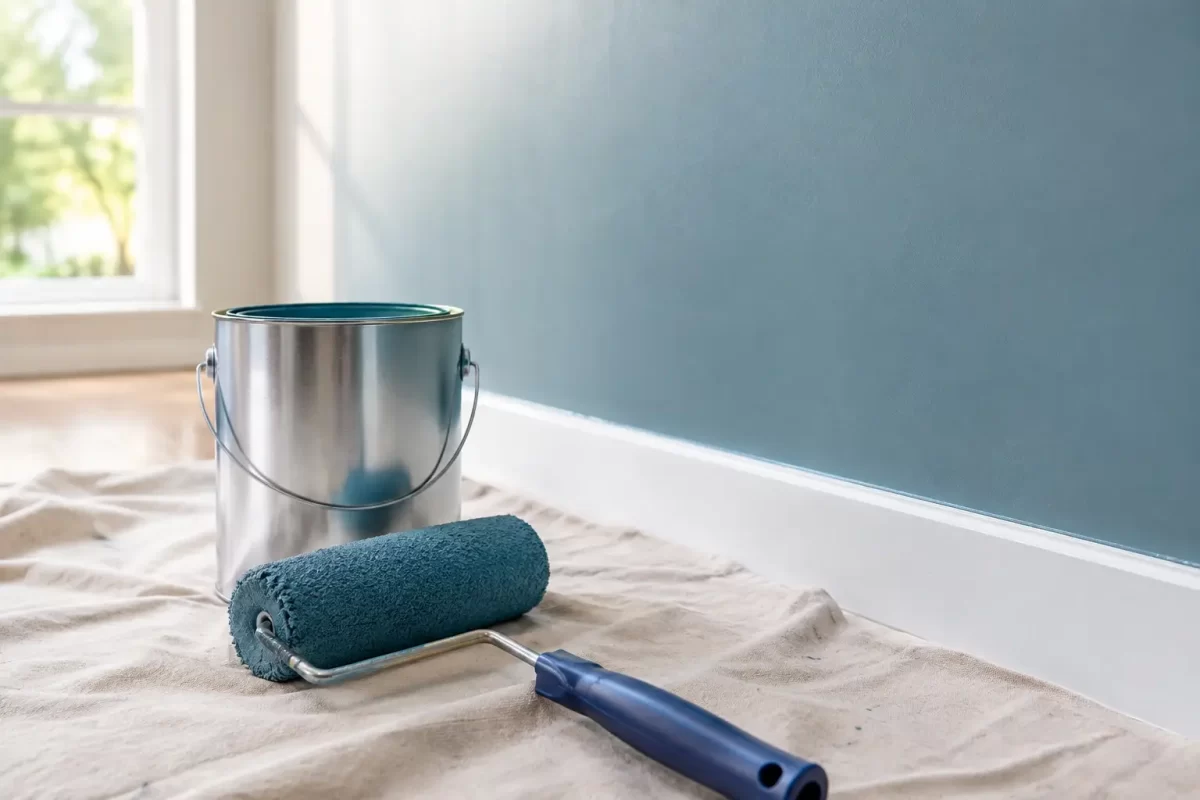
A wall can feel dry within a few hours, but that does not mean the paint has finished hardening. If you are wondering how long paint cures before you can move furniture back, wash a wall or reopen a commercial space, the answer depends on the paint system, the surface and the conditions on site.
For most interior water-based paints, gentle use is usually possible after a few days, while full curing commonly takes two to four weeks. Exterior paints and oil-based coatings can take longer. Giving paint the time it needs protects the finish you have paid for and helps avoid marks, peeling and early wear.
Dry paint and cured paint are not the same
Paint dries when enough moisture or solvent has evaporated for the surface to no longer feel wet or tacky. Depending on the product, this may happen in one to four hours. It may also be ready for another coat within two to six hours.
Curing is the longer process. During this period, the binders in the paint film continue to harden and form a durable finish that can resist scuffs, moisture, cleaning and everyday contact. A freshly painted wall may look complete, yet it can still mark easily if a chair scrapes it or a picture frame is pressed against it.
This distinction matters most in busy homes, rental properties and commercial premises. A surface that is dry to touch is not necessarily ready for heavy traffic, frequent cleaning or furniture being pushed back into place.
How long paint cures in common situations
The label on the tin is always the best starting point, as manufacturers formulate products differently. Still, the following timeframes are useful for planning a painting project.
Interior water-based wall paint
Modern acrylic wall paints are popular because they dry quickly, have lower odour and perform well in most rooms. They are often touch-dry in one to two hours and ready for recoating after two to four hours. Light use is generally fine after 24 to 48 hours, but allow around two to four weeks before treating the walls as fully washable or scrubbable.
For bedrooms and living areas, waiting a few days before returning furniture is sensible. Keep larger items slightly away from the walls at first so air can circulate and the fresh finish is not dented or rubbed.
Paint in kitchens, bathrooms and laundries
Moisture-prone rooms deserve more patience. While the paint might dry on schedule, steam and condensation can slow curing and affect the finish. Run exhaust fans, open windows where practical and avoid long, steamy showers for at least several days after painting a bathroom.
Do not wash newly painted kitchen or laundry walls straight away. If splashes occur, blot them gently with a clean damp cloth rather than scrubbing. A quality washable paint is designed to handle cleaning once cured, not while it is still developing its hardness.
Interior trim, doors and cabinetry
Doors, skirting boards, window frames and cabinetry take more punishment than walls. They need extra care during the curing period, particularly when using enamel or hard-wearing trim paint.
Water-based enamel may be dry within a few hours but can take two to four weeks to fully harden. Oil-based enamel often requires longer. Avoid closing doors tightly, reinstalling hardware too soon, or placing objects on freshly painted shelves until the coating has had time to cure. Paint sticking where a door meets its jamb is a common sign that it was put back into service too quickly.
Exterior paint
Exterior paint must cope with sun, rain, wind and temperature changes, so curing conditions matter greatly. Many exterior acrylics reach a good level of durability in about two to four weeks, although cool weather, high humidity and rain can extend that period.
On the Gold Coast, warmth can help paint dry, but humid days and overnight moisture can slow the cure. Painting at the right time of day, following the product’s temperature range and allowing suitable weather windows are part of achieving a lasting exterior finish. A surface should also be properly prepared and dry before the first coat goes on.
Oil-based paints and specialty coatings
Oil-based paints, epoxy coatings and some floor paints follow their own rules. They may feel dry after several hours or a day, yet need days or weeks before they can handle normal use. Garage floors, stair treads, decks and commercial surfaces often have specific return-to-service times for foot traffic, vehicles or cleaning products.
These products should never be judged by touch alone. Check the technical information for the exact product and follow the stated curing period, especially where safety, slip resistance or heavy wear is involved.
What changes curing time?
Curing is not controlled by the clock alone. The same paint can perform differently from one week to the next because site conditions have changed.
Temperature is a major factor. Paint generally cures best within the manufacturer’s recommended range. Cold conditions slow the process, while excessive heat can cause paint to dry too fast at the surface and make application harder. Humidity also matters, particularly with water-based paints. When the air is holding a lot of moisture, evaporation slows down.
Ventilation helps interior paint cure more evenly. Open windows when weather allows, use fans to keep air moving and run air conditioning or dehumidification carefully if the room is damp. Do not blast a freshly painted surface with direct heat, as this can create uneven drying.
Coat thickness is another factor. Applying paint too heavily can extend drying and curing times, while insufficient drying time between coats can trap moisture and reduce performance. This is why professional preparation, correct application rates and appropriate recoat times are so important.
The surface itself also plays a role. Fresh plaster, repaired areas, timber, metal and previously painted walls may all need different primers and preparation. Paint cannot cure properly over a surface that is dusty, greasy, damp or unstable.
How to protect paint while it cures
A little care in the first few weeks can make a noticeable difference to the final result. Treat painted walls as delicate for at least seven days, and avoid hard cleaning until the manufacturer’s full cure time has passed.
Keep furniture, artwork and storage boxes clear of walls where possible. Use care when moving prams, dining chairs and appliances through freshly painted rooms. If a wall needs cleaning before it has fully cured, use minimal water and a soft cloth, then pat it dry rather than rubbing.
For exterior work, avoid leaning ladders, hoses, garden tools or outdoor furniture against fresh paint. If rain is expected shortly after application, the coating may be affected even if it appears dry. Professional painters plan around the forecast, but weather can still require flexibility.
Signs paint may not be curing properly
Fresh paint can have a mild smell for several days, particularly in enclosed rooms. That alone is not necessarily a problem. More concerning signs include persistent tackiness, paint that marks with very light pressure after the expected cure time, bubbling, peeling, cracking or an uneven sheen.
These issues may be caused by unsuitable weather, moisture in the substrate, poor surface preparation, incompatible products or coats applied too heavily. In some cases, simply waiting longer resolves the issue. In others, the affected area may need to be assessed and repaired rather than covered over again.
Plan the room around the cure time
The practical answer to how long paint cures is to plan for more than the drying time printed on the label. Schedule painting before major furniture deliveries, allow bathrooms and kitchens some breathing room, and avoid booking a full commercial reopening around a next-day paint job unless the selected coating is designed for it.
A well-prepared, professionally applied finish should look good on day one and stand up to daily life long after the smell has gone. Giving it a little time to cure is one of the simplest ways to protect that result.


