

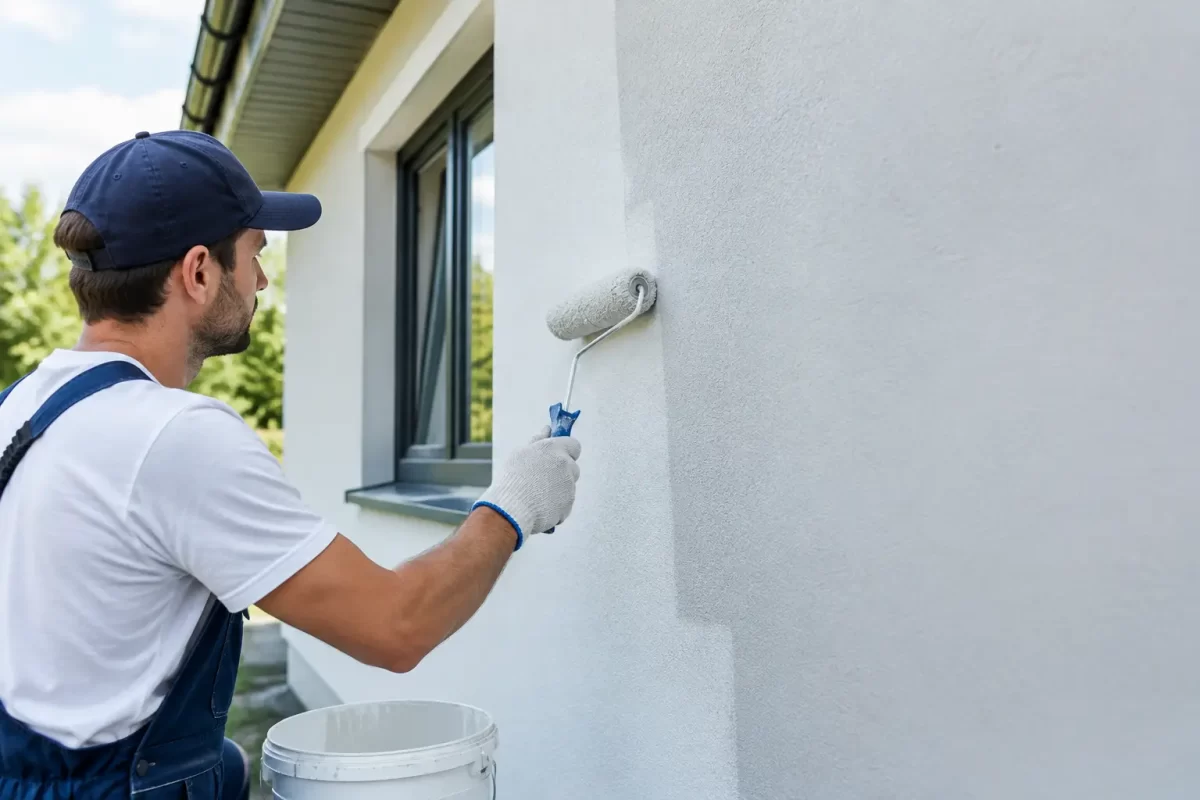
A freshly painted exterior can make a property look cared for again, but can exterior paint prevent mould for the long term? It can certainly help – provided the surface is properly cleaned, repaired and kept dry. Paint is one part of mould prevention, not a cure for an underlying moisture problem.
On the Gold Coast and in Tweed, warm temperatures, summer rain, humidity and shaded walls create ideal conditions for mould and algae. If it is left to build up, it can stain paintwork, affect the appearance of a home or commercial building, and shorten the life of the coating underneath. The right preparation and paint system give your exterior a much better chance of staying clean and protected.
Can exterior paint prevent mould growth?
Quality exterior paint can slow mould growth by creating a durable, washable barrier on the surface. Many premium exterior coatings also contain additives designed to resist mould, mildew and algae. This is particularly useful on south-facing walls, areas beneath eaves, fences close to vegetation, and parts of a building that receive little direct sun.
However, mould does not appear simply because a wall needs paint. It needs moisture, a surface to settle on and often a source of organic material such as dust, pollen, leaf matter or cobwebs. When those conditions remain, even a mould-resistant paint can eventually develop spotting.
That is why applying a new coat straight over visible mould is rarely a lasting fix. The staining may show through, and active spores or moisture trapped below the coating can lead to peeling, blistering or recurring growth. A professional finish starts with identifying why the area stays damp.
Where exterior mould usually starts
Mould and algae are most common where water sits, drains poorly or does not dry quickly. The source may be as simple as an overgrown garden holding moisture against a wall, but it can also point to a maintenance issue that needs attention before painting.
Look closely around leaking gutters and downpipes, damaged roof tiles, blocked drainage points, cracked render, failed sealant around windows, and timber that is touching soil or mulch. Air-conditioning overflow and irrigation spray can also keep a section of wall wet without it being obvious at first.
Poor ventilation can contribute around enclosed patios, carports and service areas. For commercial properties, shaded rear accessways and walls near bins or landscaping often need more regular cleaning than prominent street-facing elevations.
Paint cannot stop water entering through a crack, failed flashing or leaking pipe. Addressing those faults first protects the new coating and avoids spending money on a finish that will fail prematurely.
Preparation matters more than the paint tin
The best mould-resistant exterior paint will not perform as intended on a dirty, chalky or damp substrate. Preparation is where a quality painting job earns its value.
First, the affected surface needs to be cleaned with an appropriate mould treatment and rinsed according to the product directions. High-pressure washing may be suitable for some masonry and exterior surfaces, but it must be done carefully. Too much pressure can force water behind cladding, damage soft timber, strip loose mortar or leave a surface saturated before painting.
Once clean, the wall needs enough drying time. In humid weather, that may take longer than property owners expect. Painting over a wall that still holds moisture can lead to adhesion problems, bubbling and patchy sheen.
The next step is repairing the surface. This may involve filling cracks, replacing failed sealant, sanding loose or flaking paint, treating rust on metalwork, or repairing damaged timber and render. Bare areas should receive the correct primer before top coats are applied. Primer is not an optional extra when a surface is porous, stained, weathered or partly bare – it helps create an even, stable base for the exterior coating.
Choosing paint for humid coastal conditions
For Gold Coast properties, exterior paint needs to do more than look good on day one. It should stand up to strong UV exposure, rain, humidity and salt air in coastal locations. A reputable premium exterior acrylic coating is often a practical choice for painted masonry, render, fibre cement and timber, although the right system depends on the existing substrate and its condition.
When comparing products, look for exterior suitability, mould and mildew resistance, UV durability and compatibility with the surface. A breathable coating can also be important on certain masonry or rendered walls, as it allows water vapour to escape while helping resist rain penetration.
Colour plays a small but real role. Very dark colours absorb more heat and can place greater stress on some exterior surfaces. They may be suitable when specified correctly, but they are not always the best choice for weathered cladding or walls exposed to intense afternoon sun. A colour consultation can help balance the look you want with the practical demands of the building.
Keep in mind that no paint manufacturer can guarantee a mould-free wall where dampness is ongoing. Claims of mould resistance refer to the coating itself under suitable conditions, not a promise that moisture-related growth will never return.
How to keep painted exteriors cleaner for longer
After repainting, regular maintenance makes a noticeable difference. Exterior walls do not need constant attention, but a seasonal check can prevent a small issue becoming a larger repair.
Keep gardens trimmed back so air can circulate around walls, and avoid allowing climbing plants to grow directly across painted surfaces. Clear leaves from gutters and drainage channels, check that downpipes direct water away from the building, and fix drips promptly. Where irrigation is hitting a wall, adjust the sprinkler pattern.
A gentle washdown of sheltered walls, eaves and shaded areas can remove the dust and organic build-up that mould feeds on. Use an appropriate exterior cleaner and avoid harsh scrubbing that damages the paint film. If mould returns in one specific patch, investigate the reason rather than repeatedly painting over it.
For strata, commercial and rental properties, scheduled exterior cleaning and inspections can be a sensible part of ongoing maintenance. It protects presentation while helping managers catch failed seals, blocked gutters and drainage issues early.
When mould needs more than painting
Some signs suggest the issue is beyond normal exterior maintenance. These include paint peeling in large sheets, persistent damp patches after dry weather, soft or rotting timber, white salty deposits on masonry, or mould that quickly returns after cleaning. Water staining inside the property, musty odours or visible mould on internal walls should also be investigated separately.
In these situations, the priority is finding and correcting the moisture source. Depending on the cause, that may involve roofing, plumbing, drainage, waterproofing, window repairs or building maintenance before any painting begins. A good painter will be upfront when a surface is not ready to coat, rather than applying paint that masks the problem for a short time.
A better finish starts with an honest assessment
Exterior repainting is a worthwhile way to refresh and protect a property, especially when the work includes careful cleaning, sound repairs, quality primers and suitable top coats. For homes and businesses in humid coastal conditions, cutting corners on preparation is usually where mould problems return first.
Jag Painting Solutions approaches exterior work with the surface condition in mind, not just the final colour. If you are seeing mould staining, chalky paint or peeling areas, arranging a professional assessment before repainting can help you make a confident, practical decision about the work your property actually needs.


