

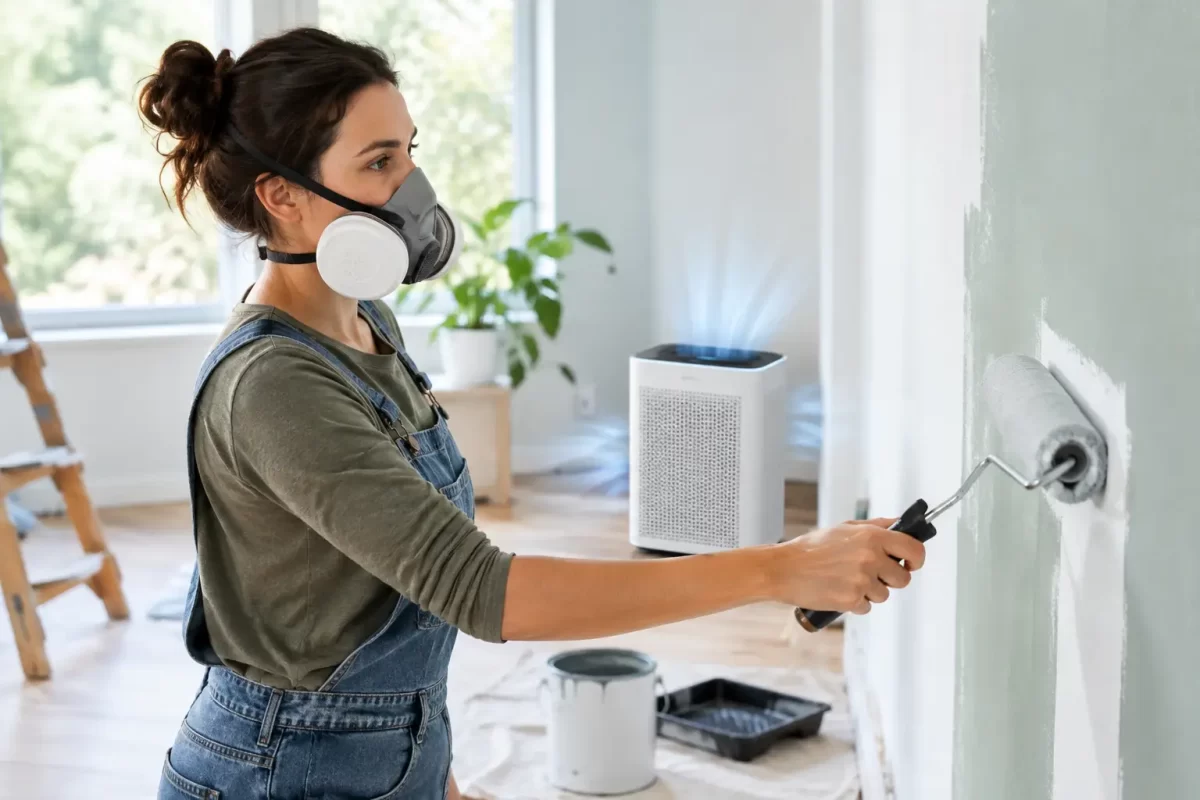
A freshly painted room should feel like an improvement, not somewhere you avoid using for days. Paint fumes indoors are a common concern for homeowners, particularly when bedrooms, nurseries, offices or living areas need to be back in use quickly. The good news is that the right paint choice, preparation and ventilation can make a major difference without compromising the finish.
The smell after painting does not always tell the full story, but it is a useful signal that the room needs more fresh air and time to cure. A professional painter plans for this before the first coat goes on, protecting your home while helping the new finish look its best.
What causes paint fumes indoors?
Most paint odours come from volatile organic compounds, commonly called VOCs. These are chemicals released into the air as paint dries and cures. Traditional oil-based products generally have a stronger odour and can continue releasing VOCs for longer than many water-based paints.
Water-based acrylic paints are now widely used for interior walls and ceilings because they dry faster, have lower odour and are easier to clean up. That does not mean every water-based product is odour-free. Primers, specialty coatings, spray applications and products used for timber, metal or mould treatment can each have different drying times and ventilation requirements.
Humidity and airflow matter too. On the Gold Coast, a wet or humid day can slow drying and leave odours lingering longer than expected. Closing a room up immediately after painting may protect it from dust, but it can also trap moisture and fumes where you least want them.
How long do paint fumes last?
For a typical interior wall painted with a quality low-VOC water-based product, the noticeable smell often settles within a few days when the room is well ventilated. Full curing takes longer, sometimes several weeks, depending on the product, number of coats, weather conditions and airflow.
Oil-based paint, strong primers and solvent-based finishes can smell for considerably longer. A newly painted cupboard, wardrobe or small bathroom may also hold odours because there is less air movement. Fresh paint inside cabinetry is a common reason a room still smells noticeable even when the walls appear dry.
Dry to the touch is not the same as fully cured. Paint may look ready within hours, yet still be releasing low levels of odour while it hardens. Check the product label for recoat, dry and cure times, and allow extra time where the space has limited ventilation.
Reducing paint fumes indoors safely
The best approach starts before painting. Choosing the right coating for the room and opening up airflow early is easier than trying to mask a strong smell after the job is done.
Choose low-odour products for living spaces
For bedrooms, living rooms, hallways and offices, ask about low-VOC or very low-VOC interior paint. These products can reduce odour while still delivering good washability and coverage when matched to the surface and the way the room is used.
There is a trade-off. The lowest-VOC option is not automatically the best product for every surface. High-traffic commercial areas, kitchens, bathrooms and timber trim may need coatings chosen for durability, moisture resistance or adhesion. An experienced painter can recommend a suitable system rather than applying one product across every room.
Create cross-ventilation
Open windows and doors on opposite sides of the area where practical to move air through the space. Use ceiling fans or portable fans to direct air towards an open window or doorway, rather than simply circulating it around the room.
Avoid creating a pathway that pushes fumes into bedrooms or other occupied areas. If possible, keep internal doors to those rooms closed and ventilate the painted room directly outside. Exhaust fans can help in bathrooms and laundries, provided they vent outdoors.
On very hot, wet or still days, natural airflow may be limited. Air conditioning can make a room more comfortable, but it does not replace fresh-air ventilation unless the system is designed to bring outdoor air in. A dehumidifier may assist drying in a damp room, although it will not remove fumes on its own.
Give the room time before moving back in
Do not rush furniture, curtains and bedding back into place while the paint is still drying. Leaving clear space around walls improves airflow and reduces the chance of scuffs, marks or fabric picking up paint odour.
For a child’s room, nursery or a room used by someone sensitive to smells, plan the work around an alternative sleeping arrangement where possible. Allow the paint to dry and the room to air out thoroughly before returning to normal use. The exact timeframe depends on the coating used, so follow the manufacturer’s advice rather than relying on smell alone.
Do not try to cover the smell
Scented candles, incense, air fresheners and strong cleaning products only add more particles and fragrances to the air. They can make it harder to judge whether the room is properly ventilated.
Houseplants may be pleasant to have indoors, but they are not a substitute for opening windows, using appropriate extraction and selecting lower-odour paints. Fresh air remains the most practical solution.
When paint odours need more attention
A mild paint smell after a fresh coat is expected. A very strong smell that persists, causes discomfort, or becomes more noticeable in a closed room deserves a closer look. The cause may be a solvent-based coating, insufficient ventilation, damp conditions, paint applied too heavily or a product that was not suitable for the area.
If anyone experiences headaches, dizziness, nausea, eye irritation or breathing discomfort while paint is drying, move them to fresh air and ventilate the space. Seek medical advice promptly if symptoms are severe, persist or you are concerned. People with asthma, allergies or chemical sensitivities may need extra care when planning interior works.
Never use a room with active fumes as a place to sleep just because the paint feels dry. This is especially relevant to small rooms with shut windows, freshly coated cabinetry or projects completed late in the day. Give the space more time and airflow.
Why professional preparation makes a difference
Good indoor painting is more than applying an even coat. It involves assessing the existing surface, selecting compatible primers and topcoats, repairing plaster correctly and allowing realistic drying time between stages. These details affect both the quality of the finish and how comfortably the property can be used during the project.
A careful painting team will also protect floors and furniture, keep the work area orderly and communicate clearly about which rooms are being painted and when they can be used again. For occupied homes and operating businesses, that planning helps minimise disruption.
At Jag Painting Solutions, we help property owners choose suitable interior coatings and complete the work with care for the space around us. If you are planning a repaint and concerned about odour, ventilation or the right product for a particular room, raise it when requesting your quote. A little planning before work begins can make the difference between a room that merely looks fresh and one that feels ready to enjoy.


