

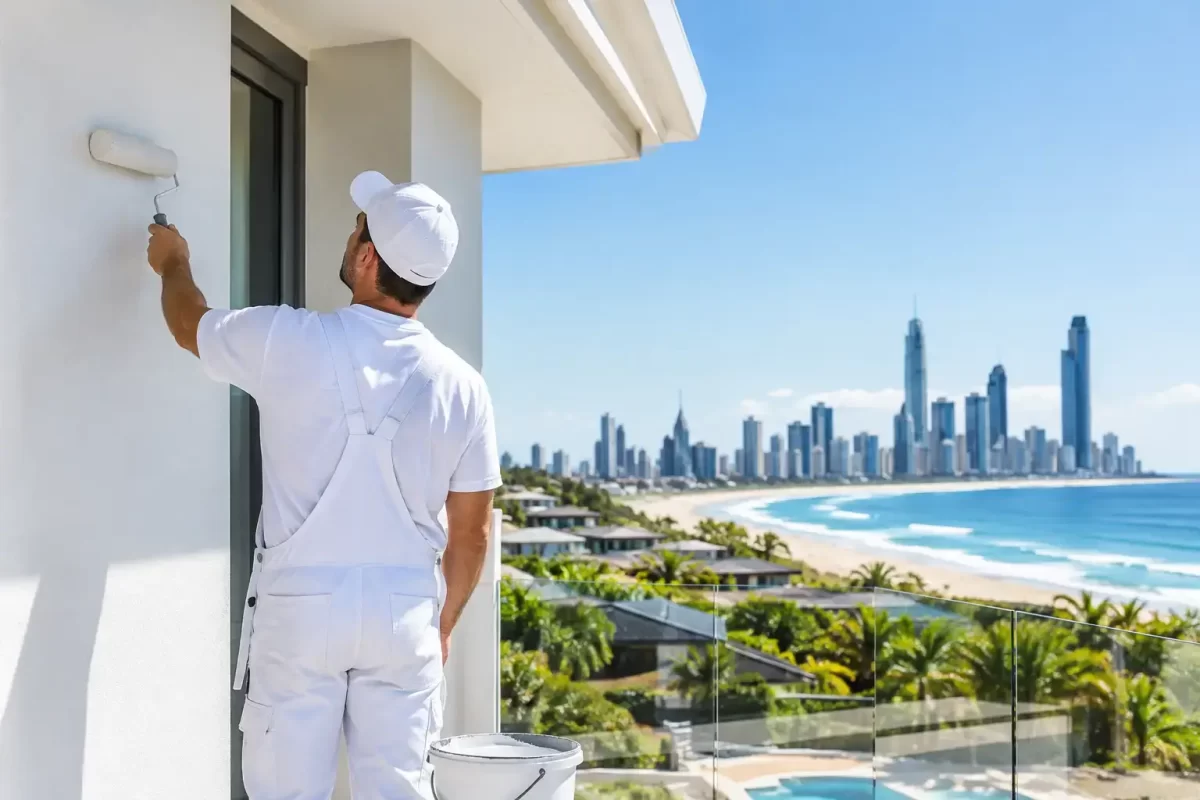
A repaint can make a tired property feel cared for again, but the difference between a fresh finish and a short-lived cover-up is usually decided before the first coat goes on. This Gold Coast property repaint guide is designed to help homeowners, renovators and property managers make sound decisions about timing, preparation, colour and workmanship.
The Gold Coast climate is tough on painted surfaces. Strong UV exposure, humidity, salt air near the coast and seasonal rain can all shorten the life of an exterior coating. Inside, scuffs, moisture marks, ageing plaster and changing light can make rooms look older than they are. A well-planned repaint protects the building while improving how it looks and feels to live or work in.
Gold Coast Property Repaint Guide: Start With Condition
Before choosing colours, assess the condition of the surfaces. Paint can improve appearance, but it will not permanently hide movement cracks, failing plaster, dampness or rot. Addressing these issues first is what gives the new finish a clean look and a longer service life.
Walk around the exterior in good daylight. Look for peeling or bubbling paint, chalky residue, cracked timber, rust stains, mould, gaps around windows and failed sealant. On rendered walls, fine hairline cracking may be cosmetic, while larger or recurring cracks can point to movement that needs closer attention. Timber fascias, decks and exterior trim deserve particular care because exposed edges often deteriorate first.
Inside, inspect ceilings, cornices, walls and skirting boards. Water stains should be investigated rather than painted over. If the moisture source is still active, the stain and damage are likely to return. Cracks around door frames, joins and ceilings may need filling and sanding, while damaged plasterboard or loose tape may require repair before painting begins.
A professional inspection is useful when the property has widespread peeling, persistent mould, visible water damage or surfaces that have been painted many times. Good painting work begins with identifying the cause, not simply coating over the symptom.
Choose the Right Time for the Work
Painting is affected by weather more than many property owners expect. Exterior coatings need suitable temperature, surface conditions and drying time to cure properly. A forecast of rain, heavy humidity or very hot direct sun can affect application and finish quality.
On the Gold Coast, exterior projects are best planned with enough flexibility to work around changing conditions. This does not mean waiting for a perfect week, but it does mean allowing an experienced painter to schedule preparation and coating stages sensibly. Surfaces must be dry, and painters may need to work around strong afternoon sun or incoming wet weather.
Interior repainting is less weather-dependent, although ventilation and drying conditions still matter. If you are renovating, schedule painting after major plastering, electrical work and dusty carpentry are complete, but before new flooring or delicate finishes are installed where possible. This reduces the chance of damage and avoids unnecessary touch-ups.
For rental properties, plan ahead of tenant changes where practical. A vacant property gives painters clearer access and allows repairs, cleaning and curing time without disrupting occupants. For occupied homes and businesses, the work can still be organised in stages to keep key areas usable.
Preparation Is Where the Finish Is Won
The most noticeable painting results come from preparation, not from applying extra coats. A quality repainting process generally includes cleaning, scraping loose material, sanding rough edges, patching defects, sealing gaps, treating stains or mould where required, and priming bare or repaired areas.
Exterior washing is particularly important in coastal and humid locations. Dirt, salt residue, mould and chalking can prevent new coatings from bonding properly. The correct cleaning method depends on the surface. High-pressure washing can be effective in the right hands, but it can also force water into vulnerable areas or damage softer materials if used incorrectly.
Primer selection matters as well. Bare timber, metal, patched plaster and stained areas may each need a different primer or sealer. Skipping this step can lead to uneven sheen, stain bleed, poor adhesion or premature peeling. It may seem like a saving at the time, but it often creates a more expensive repaint sooner than expected.
Protecting the property is part of proper preparation. Floors, furniture, garden areas, fixtures and nearby surfaces should be covered or masked carefully. At Jag Painting Solutions, respectful site care is treated as part of the job, not an optional extra. Clear communication about access, daily clean-up and which rooms or areas will be worked on helps make the process far less disruptive.
Select Colours for Light, Use and Longevity
Colour choices should suit the property, but they also need to work with the way the space is used. Natural light on the Gold Coast can be intense. A colour that looks soft on a small sample may appear much brighter on a full exterior wall or in a north-facing room.
For interiors, consider the fixed elements first: flooring, tiles, benchtops, cabinetry and window furnishings. These items are costly to replace, while paint can be adjusted more easily. Whites and neutrals remain popular because they provide flexibility, but they are not all the same. Some have warm undertones that suit timber and cream finishes; others are cooler and better suited to contemporary grey, stone or black details.
In busy households, washable finishes are often worth considering for hallways, kitchens, children’s rooms and high-traffic living spaces. Ceiling paint generally needs a low-sheen finish to reduce glare and disguise minor surface variation. Walls may suit a low sheen or washable finish, while doors, trims and skirting boards typically need a tougher enamel-style coating with a different sheen level.
Exterior colour selection involves another trade-off. Dark colours can look striking, but they absorb more heat and may show fading or surface imperfections more readily. Very light colours can reduce heat absorption but may reveal dirt in exposed locations. The right answer depends on the building materials, orientation, surrounding landscape and how much ongoing maintenance you are prepared to do.
A colour consultation can prevent costly second-guessing. Test sample colours on different sides of the building and view them in morning, midday and late-afternoon light. For a commercial property, consider brand presentation, customer expectations and the need to maintain a professional appearance over time.
Match the Coating System to the Surface
Not every painted surface should receive the same product. Exterior masonry, timber weatherboards, metal railings, rendered walls and previously painted cladding each need suitable preparation and coating systems. The same principle applies indoors, where bathrooms, kitchens, living areas and joinery all face different demands.
Bathrooms and laundries need coatings that cope with moisture and regular cleaning, alongside adequate ventilation. Kitchens benefit from durable, washable wall finishes. For commercial spaces, practical considerations may include operating hours, public access, safety requirements and the need for hard-wearing finishes that keep looking presentable under frequent use.
Ask your painter what products are proposed and why they suit the surface. A clear quote should explain the scope of preparation, the areas included, the coating approach and any repairs that are required. If a quote appears much cheaper than another, check whether it allows for cleaning, patching, primers, the number of coats and proper protection of surrounding areas. Price matters, but scope matters more.
Plan for Access, Communication and Care
A repaint runs smoothly when expectations are agreed before work begins. Let the painting team know about pets, security requirements, parking restrictions, access issues, fragile items and areas that need to remain in use. Move smaller valuables and personal items where possible, and discuss furniture moving in advance.
For exterior work, trim back plants that are touching walls and make sure gates, side paths and access points are available. For interiors, confirm room order and whether you would prefer work completed one area at a time. Business owners may need to plan around trading hours, staff movements and customer access, particularly when painting entrances, amenities or shared spaces.
Good communication also includes a final walk-through. Inspect the work in normal lighting, note any agreed touch-ups and ask how to care for freshly painted surfaces. Most coatings need time to fully cure, even if they feel dry to touch, so avoid heavy cleaning or placing items hard against painted walls too soon.
A repaint is a chance to protect your property and make it feel properly finished, whether you are preparing to sell, renovating for the long term or refreshing a commercial space. Take the time to address the surface condition, choose colours with confidence and engage experienced tradesmen who respect the property from preparation through to the final clean-up. A clear, detailed quote is a practical first step towards a result you will be happy to live or work with.


