

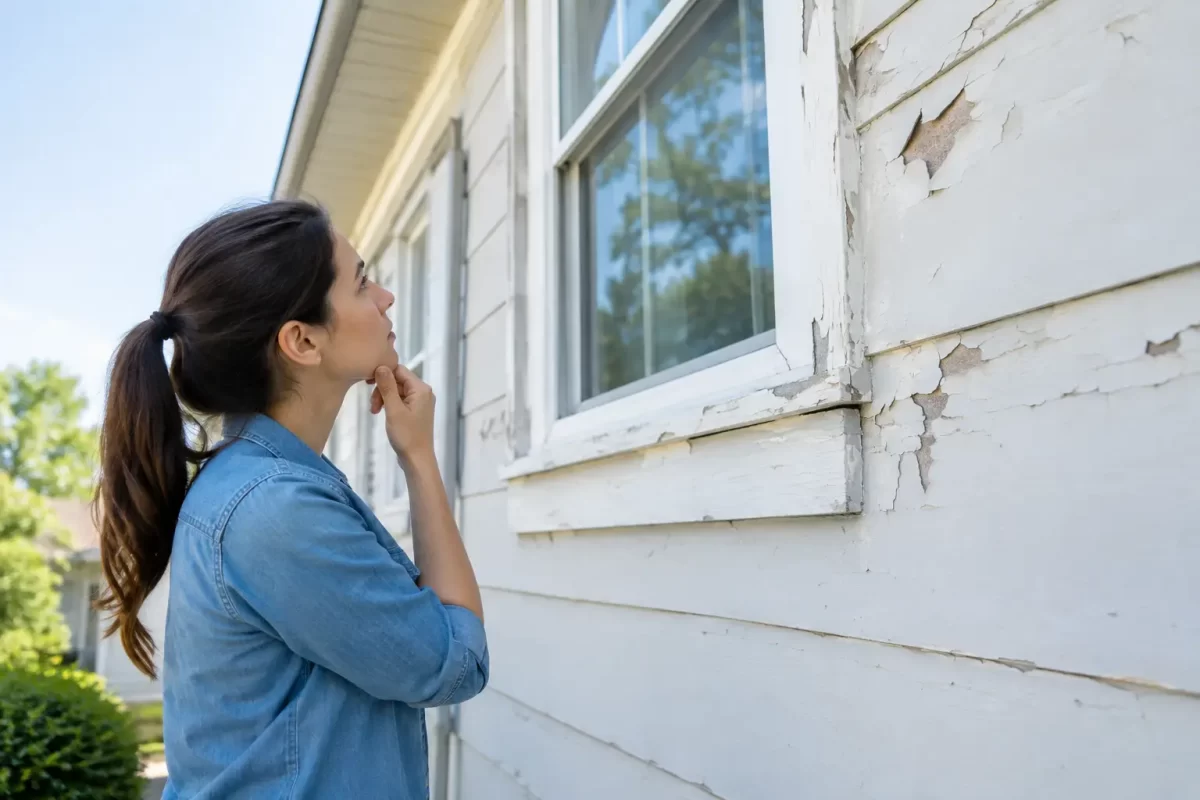
A fresh coat of paint does more than make a property look cared for. It protects the surfaces underneath from moisture, sun, wear and everyday marks. Knowing the signs your house needs repainting helps you act before a small maintenance issue becomes a larger repair job.
On the Gold Coast and in Tweed, exterior paint works hard. Strong UV exposure, humidity, salt air in coastal areas and heavy rain can all shorten the life of a coating. Inside, busy family areas, rental properties and renovated spaces can show their age just as quickly. The right time to repaint depends on the condition of the surface, not simply how many years have passed.
10 signs your house needs repainting
1. Paint is peeling, flaking or blistering
Peeling paint is one of the clearest signs that a surface needs attention. It may be caused by moisture getting behind the coating, inadequate preparation during a previous paint job, or paint that has reached the end of its life.
Blistering can look like small bubbles beneath the paint film. While it is tempting to scrape and touch up only the affected patch, the cause needs to be identified first. If moisture or failed preparation is involved, a proper repair may require removing loose material, treating the surface and applying a suitable primer before repainting.
2. Exterior paint looks chalky or faded
Run your hand over an exterior wall, fascia or fence. If a powdery residue comes away on your fingers, the paint may be chalking. This happens as weather and UV break down the paint surface over time.
Fading is also common on exposed elevations, particularly darker colours and areas that receive strong afternoon sun. Chalking and fading are not always urgent structural problems, but they show the coating is losing its protective performance. Repainting before the substrate is exposed is usually the more cost-effective option.
3. Cracks are appearing in paint or plaster
Fine cracking can be a normal part of ageing paint, but it should not be ignored. Hairline cracks may signal that the coating has become brittle, while wider cracks in walls or ceilings can point to movement, plaster damage or a repair that needs more than paint.
A quality finish relies on sound preparation. That may include patching, sanding, filling and priming before the final coats go on. Painting directly over cracks can make them less visible for a short time, but they often return if the underlying issue has not been addressed.
4. Mould or mildew keeps returning
Bathrooms, laundries, kitchens and shaded exterior walls are common problem areas. If dark spotting or mildew comes back soon after cleaning, it may be time to assess both the paint system and the moisture conditions in the area.
Paint alone will not solve poor ventilation, leaks or drainage issues. However, once the cause is managed, thorough cleaning and the right preparation can create a much more durable finish. In wet areas, choosing coatings designed for humidity and regular cleaning makes a genuine difference.
5. Walls are difficult to clean
Older interior paint can become porous or lose its washability. You may notice fingerprints, scuff marks and cooking splatter remain visible even after gentle cleaning. In some cases, wiping the wall can remove colour or leave a shiny patch where the finish has worn away.
This is particularly noticeable in hallways, stairwells, children’s rooms and around light switches. A repaint gives these high-traffic areas a cleaner appearance and allows you to choose a practical finish that better suits how the room is used.
6. Timber surfaces are exposed or deteriorating
Timber window frames, doors, decks, eaves and weatherboards need regular inspection. If paint is splitting, bare timber is visible, or the surface feels rough and dry, moisture and sun may already be affecting the material underneath.
Timber repairs can become expensive when deterioration is left too long. Early repainting, with careful preparation and suitable primers, helps seal and protect the surface. The same principle applies to metal gates, railings and fences where rust spots should be treated before they spread.
7. The caulking around windows and trims has failed
Flexible gaps around window frames, skirting boards, cornices and external joins are usually sealed with caulk. When it shrinks, splits or separates, it can make an otherwise tidy paint job look tired. Outside, failed caulking can also create a path for water to enter joints.
Repainting is a good opportunity to inspect these details properly. Replacing failed caulk and repairing small gaps before painting improves both the look and the weather resistance of the finished work.
8. Stains are showing through ceilings or walls
Water stains, nicotine discolouration, smoke marks and old patch repairs can bleed through standard paint. A fresh coat applied without the right stain-blocking primer may look fine at first, then allow the mark to reappear.
Ceiling stains deserve particular care. Before repainting, make sure any roof, plumbing or condensation issue has been resolved. Once the area is dry and stable, proper sealing and repainting can restore a clean, even finish.
9. Your paint colours no longer suit the property
Not every repaint is driven by damage. A home can be structurally sound but still feel dated, dark or disconnected after new flooring, cabinetry, landscaping or an extension. Colour has a major effect on how large, bright and welcoming a room feels.
This is where professional colour guidance is useful. The best choice depends on natural light, fixed finishes, the style of the home and how the space is used. A colour that looks good on a small sample can appear completely different across a sunlit external wall or a large living area.
10. You are preparing to sell, lease or complete a renovation
Presentation matters when buyers, tenants and customers first see a property. Fresh paint can make a renovated room feel complete, improve the perceived condition of an older home and create a more professional impression in commercial spaces.
The scope should match the goal. Sometimes a full repaint is worthwhile; other times, focusing on entry areas, living spaces, exterior trims or visibly marked walls delivers the best value. A detailed assessment helps avoid spending on areas that do not need immediate work while making sure the finished result looks consistent.
When should you repaint a house?
There is no fixed schedule that suits every property. Exterior paint may need attention sooner on coastal homes, north- or west-facing walls, timber features and areas with little protection from the weather. Interior paint often lasts longer, although kitchens, bathrooms and high-traffic zones can need refreshing well before bedrooms or formal living rooms.
As a general guide, inspect your exterior at least once a year and take a close look after severe weather. Check paint around roofs, gutters, windows, doors and lower walls where splashback or garden moisture can cause damage. Inside, pay attention to changes rather than waiting for the room to look obviously worn.
Why preparation matters as much as the paint
A long-lasting paint job is built before the top coat is applied. Surfaces need to be cleaned, loose paint removed, cracks repaired and suitable primers used where required. Glossy areas may need sanding, stains may need sealing, and different materials such as plaster, timber and metal each need the correct treatment.
This preparation is where workmanship shows. It affects how smooth the finish looks, how evenly colour sits on the wall and how well the coating holds up over time. Choosing the cheapest quote can be a false economy if it leaves out repairs, protection of surrounding areas or the preparation needed for lasting results.
If your property is showing several of these signs, a professional inspection can provide clarity on what needs repair now and what can wait. Jag Painting Solutions can help Gold Coast and Tweed property owners plan a careful repaint that protects the surface, suits the space and respects the home throughout the process.


