

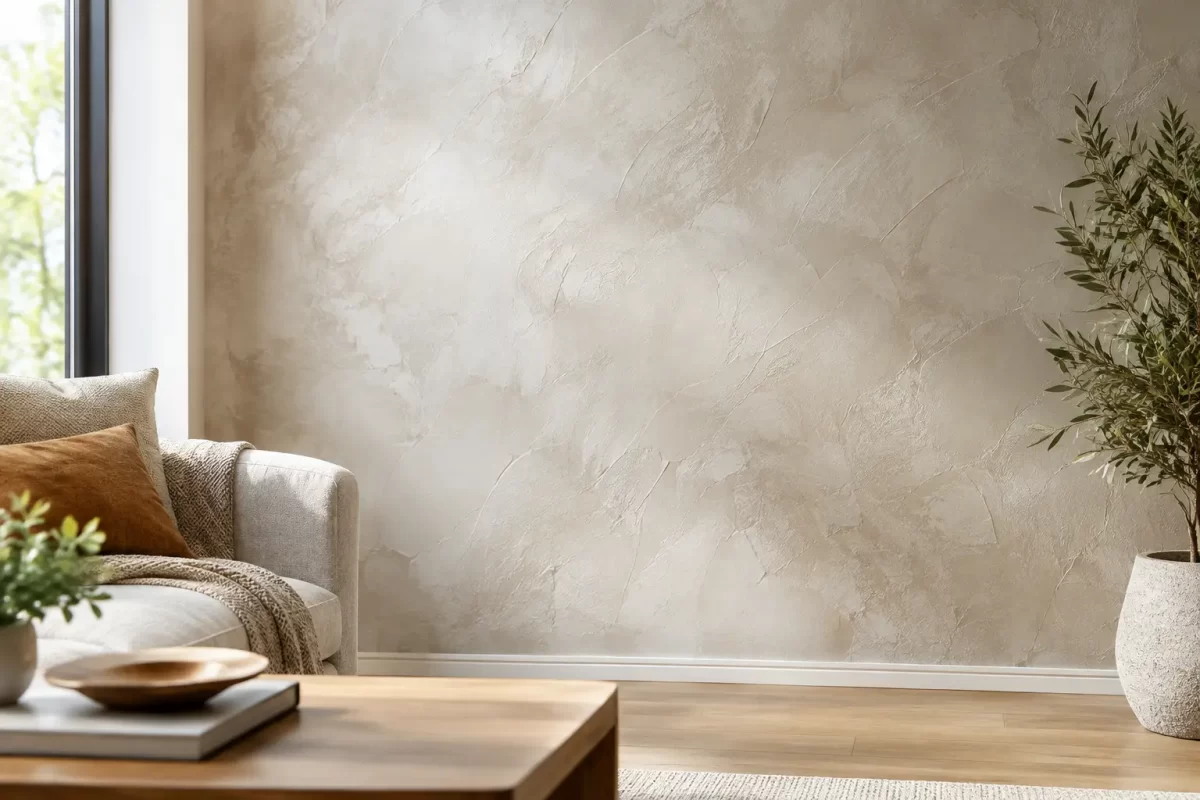
A freshly painted room can look clean and complete, but some spaces call for more depth than paint alone can provide. Decorative plaster gives walls a hand-finished character, creating movement, softness or polished drama depending on the chosen finish. Done well, it becomes a feature in its own right. Done poorly, it can highlight every imperfection in the wall beneath it.
For homeowners, renovators and commercial property owners, the decision is not simply about choosing a texture. It is about matching the finish to the space, preparing the surface properly and engaging tradesmen who understand the product they are applying. That groundwork is what separates a refined finish from one that feels rough, patchy or difficult to maintain.
What decorative plaster can add to a room
Decorative plaster is a broad term for specialist wall finishes applied to create texture, tonal variation or a smooth mineral look. Unlike standard interior paint, which is designed to deliver an even colour across a surface, plaster finishes have natural variation. Light catches them differently through the day, which gives the wall more visual interest without relying on a bold colour or busy wallpaper.
The finish can be subtle. A lightly textured plaster in a warm neutral tone may make a living room feel calmer and more considered, while still working with timber, stone and soft furnishings. At the other end of the scale, a highly polished Venetian-style finish can bring depth and a gentle sheen to an entry, powder room or reception area.
This makes decorative plaster particularly useful where a property needs one strong design element rather than several competing features. It can work beautifully on a fireplace wall, behind a bed, in a hallway, at a reception desk or across a carefully planned open-plan living area. The right finish feels intentional, not overdone.
Choosing the right decorative plaster finish
There is no single best finish for every home or business. The right choice depends on the condition of the walls, the amount of natural light, the intended use of the room and the level of maintenance the owner is comfortable with.
Soft texture for relaxed living spaces
Fine-grain and lightly textured finishes suit contemporary homes where the goal is warmth rather than shine. They work well with muted colours and natural materials, and can soften the hard lines of new builds or renovated spaces. These finishes are generally more forgiving than high-polish options, but the underlying wall still needs to be straight and sound.
A restrained texture is often the smarter choice for larger walls. In a spacious living area, it provides interest from close up while remaining calm when viewed across the room. Very heavy texture can make a large wall feel busy, particularly where there are already patterned tiles, detailed joinery or strong flooring choices.
Polished finishes for feature areas
Polished plaster creates a denser, smoother appearance with layered movement beneath the surface. It can range from a low-sheen mineral look to a finish with noticeable lustre. This style is often selected for feature walls, entries and commercial interiors where the goal is a premium first impression.
It demands careful application. Every layer, trowel mark and edge must be controlled, because a polished surface reflects light and can reveal inconsistencies. It is also worth considering how the room is used. A polished feature wall behind a dining table may be practical, while the same finish in a high-contact corridor may show scuffs more readily.
Concrete-look and industrial finishes
Concrete-look plaster can deliver a modern, architectural effect without installing heavy concrete panels. It is popular in renovations that combine black fittings, timber joinery and simple colour palettes. The key is getting the tone right. A cool grey can feel sharp in a dim room, while warmer grey or taupe-based finishes often sit more comfortably in Gold Coast homes with plenty of natural light.
Samples matter here. Plaster finishes can look quite different on a small board compared with a full wall, especially near large windows or under warm artificial lighting. Viewing a sample at different times of day helps avoid an expensive surprise once the work is complete.
Preparation matters more than most people expect
Decorative plaster does not hide poor walls. In many cases, it makes flaws more noticeable. Before application, the surface may need patching, levelling, sanding, sealing and priming. Existing cracks should be assessed rather than simply covered, particularly if they indicate movement or moisture issues.
This is one reason decorative finishes should not be treated as a quick weekend coating job. The process is built in layers, and drying times, surface absorption and product compatibility all affect the result. Skipping a preparation stage can lead to uneven colour, poor adhesion, visible joins or premature damage.
For older homes, previously painted walls can present another challenge. Glossy coatings, flaky paint, water staining and poorly repaired plasterboard joints all need attention first. A skilled plastering and painting team will inspect the surface and explain what needs to be corrected before recommending a finish. Clear advice at this stage protects both the appearance of the work and the budget.
Where decorative plaster works best
Feature walls are the natural starting point, particularly for property owners who want to introduce texture without committing to every room. A bedroom wall behind the bed, a living room fireplace surround or a formal entry can all carry a decorative finish well.
Bathrooms and kitchens can also be suitable, but product choice is critical. Areas exposed to regular splashing, steam or cleaning products may need a compatible protective coating. Decorative plaster is not automatically waterproof, and not every finish is appropriate for shower walls or wet zones. This is a situation where the design idea needs to be checked against practical performance.
Commercial spaces benefit when the finish supports the business rather than distracting from it. A restrained plaster wall can give a salon, office, showroom, hospitality venue or reception area a more established feel. In high-traffic spaces, durability and cleanability should guide the specification as much as appearance.
Colour and lighting shape the final result
With decorative plaster, colour is rarely flat. Even a single shade can show lighter and darker areas because of the hand-applied layers and changing light. That variation is part of the appeal, but it needs to suit the room.
Warm whites, soft greys, sand tones, clay colours and gentle mushroom shades are reliable choices for many interiors. They offer texture without making the wall dominate the entire room. Darker charcoal, olive or deep blue-grey finishes can be striking, though they usually work best where there is good lighting and enough visual space around the wall.
Lighting deserves as much attention as colour. Downlights close to a textured wall can emphasise its movement, while wall washing can show a polished finish at its best. Conversely, harsh side lighting may reveal surface irregularities that would otherwise go unnoticed. Planning the finish alongside lighting, furniture and window coverings produces a more balanced result.
Care, repairs and realistic expectations
A quality plaster finish is durable, but it is not maintenance-free. Most interior surfaces benefit from gentle dusting and careful spot cleaning with products approved for that particular finish. Abrasive cleaners, rough scrubbing pads and unnecessary moisture can damage the surface or alter its sheen.
Repairs are possible, but they can be more complex than touching up a painted wall. Because plaster has hand-applied variation, a small patch may not blend perfectly into an older finish. Keeping notes on the product, colour and protective coatings used can make future maintenance easier.
It is also sensible to plan for normal wear. A feature wall in a quiet formal room will stay pristine longer than one beside a busy family dining area or commercial walkway. Choosing the finish around how the space is actually used is more valuable than choosing it from a photo alone.
For a result that feels right for the property, start with the wall condition and the way the room is lived in. Jag Painting Solutions can help Gold Coast and Tweed property owners weigh up finish options, preparation requirements and colour choices before work begins. A considered sample and a proper surface assessment can turn a good design idea into a finish you will still enjoy looking at years from now.


