

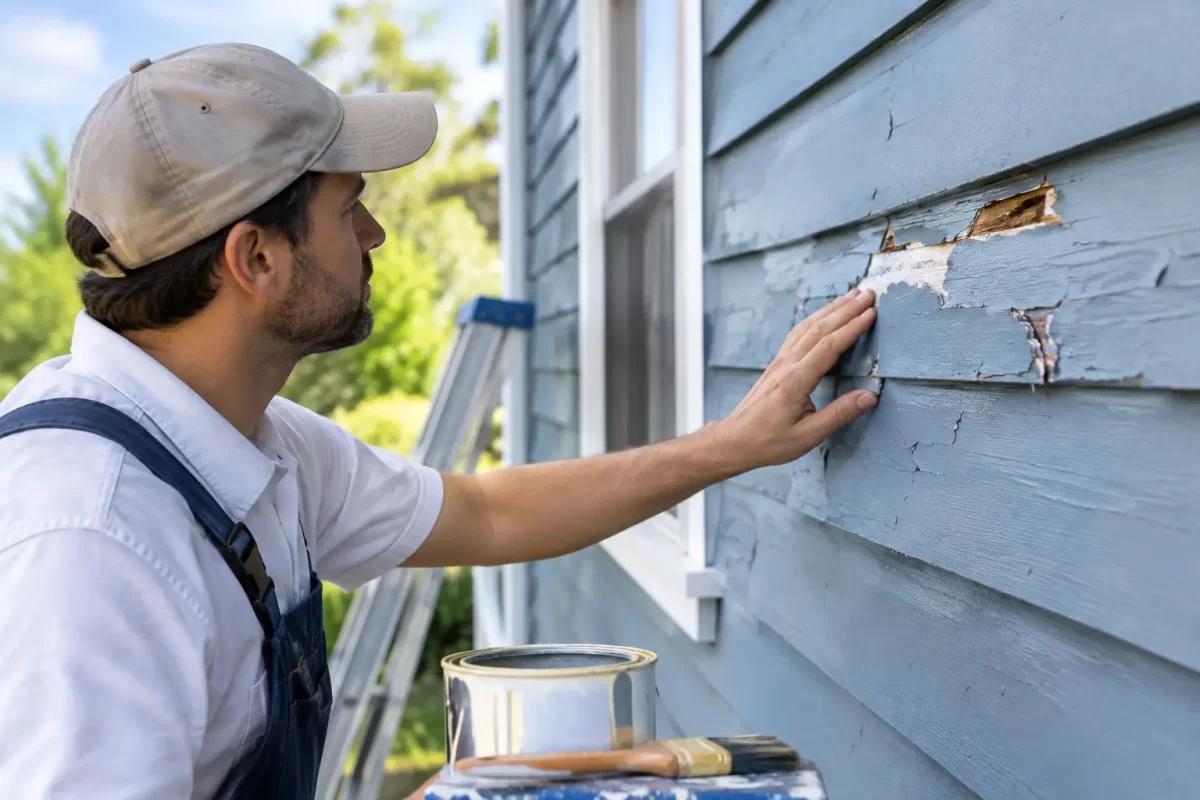
A fresh coat can make a weathered home look better for a short time, but proper weather damage house painting starts well before the brush comes out. Peeling paint, swollen timber, rust marks and wall cracks are not simply cosmetic problems. They are signs that moisture, heat and UV exposure may already be affecting the surfaces underneath.
On the Gold Coast and in Tweed, exterior paintwork has to contend with strong sun, humid conditions, heavy rain and, in many areas, salt-laden coastal air. The right preparation and paint system can protect your property for years. The wrong approach can leave you repainting far sooner than expected.
What weather damage does to exterior paintwork
Paint is a protective layer, not a cure for damaged building materials. Once that layer breaks down, water can move into timber, masonry, rendered walls and metalwork. Sun then dries the surface unevenly, causing movement, cracking and further paint failure.
The early signs can be easy to overlook. Paint may look chalky when you run a hand across it, lose its depth of colour, or start lifting around window frames and eaves. On timber, bubbling or flaking paint can point to trapped moisture. On render and masonry, fine cracks may allow water in behind the coating. Rust stains around fixings, gutters or steel features need attention before they spread through a new finish.
Not every issue means extensive repairs are required. A small area of peeling caused by an old failed coating may be straightforward to prepare and repaint. Widespread blistering, soft timber or recurring stains, however, usually means the source of moisture needs to be identified first. Painting over the symptom is rarely good value.
Weather damage house painting starts with inspection
A careful inspection helps determine whether the work is primarily repainting, surface restoration or a combination of both. This is where experience matters. Different surfaces fail for different reasons, and a single product is not suitable for every part of a home.
Look closely at the areas that receive the greatest exposure: western-facing walls, fascias, eaves, timber trims, decks, window sills and metal railings. Check around downpipes, roof lines and air-conditioning units as well. Water often finds its way into gaps around joints and penetrations, where it can sit out of sight until paint begins to fail.
Inside the home, water marks on ceilings or walls should not be painted until the leak or moisture issue has been resolved and the area has properly dried. A stain-blocking primer may be needed, but it will not stop a new stain if water is still entering the building.
For older homes, an inspection should also consider previous coatings. Paint that is poorly bonded, heavily chalked or incompatible with the intended new coating must be dealt with during preparation. A professional painter can assess adhesion and recommend the right treatment rather than guessing from appearance alone.
Repair the cause before painting the surface
The best exterior painting work is built on sound repairs. If there is rotten timber, loose render, failing sealant or active rust, those issues should be addressed before primer and top coats are applied.
Timber may need sections repaired or replaced where decay is advanced. Small cracks and open joints can often be filled with a suitable exterior-grade flexible sealant, provided the surrounding material is dry and stable. Render cracks need assessment too. Hairline cracking may be repairable as part of surface preparation, while wider or moving cracks may require further building advice before painting begins.
Metal surfaces need a different approach. Rust must be removed back to a sound edge, then treated and primed with an appropriate metal primer. Simply coating over rust often leads to staining and paint breakdown returning quickly, particularly in coastal conditions.
Cleaning is equally important. Dirt, mould, salt and chalky residue can stop paint from bonding properly. Exterior washing removes contamination, but surfaces need adequate drying time before painting. In humid weather, that drying period can take longer than many property owners expect. Rushing this stage may trap moisture beneath the paint film.
Choosing paint for Gold Coast conditions
Quality exterior paint is designed to handle exposure, but its performance still depends on the surface preparation, primer selection and number of coats. A durable system typically includes targeted primers where required and two full top coats applied at the correct coverage rate.
Colour choice also plays a practical role. Very dark colours can absorb more heat, particularly on sun-exposed walls and timber. They can look striking, but they may increase movement in some materials and require closer consideration on older cladding or heavily exposed elevations. Lighter colours generally reflect more heat, although they may show dirt sooner in certain locations.
Finish matters as well. Lower-sheen finishes can soften the look of broad rendered walls, while semi-gloss or gloss finishes are often practical for trims, doors and areas that need regular cleaning. The right choice depends on the existing surface, the architectural style of the property and how much maintenance the owner is comfortable with.
A colour consultation can be useful when repainting after weather damage. It is a chance to choose colours that suit the home, work with fixed features such as roofing and paving, and make practical decisions about heat and exposure before work begins.
Timing the work around weather
Exterior painting should not be treated as a race against the forecast. Paint needs a clean, dry surface and suitable temperature and humidity conditions to cure as intended. Rain shortly after application can mark or wash fresh paint, while excessive heat can cause it to dry too quickly and affect its finish.
This does not mean exterior work cannot be completed during warmer or changeable months. It means the project needs to be planned properly. Experienced painters monitor conditions, work around exposed elevations and allow appropriate drying time between stages. Preparation can often continue in suitable sheltered areas while painting is scheduled for the right window.
If a contractor promises to paint regardless of rain, moisture or surface condition, it is worth asking how they will protect the result. Good workmanship includes knowing when to wait.
When a touch-up is enough and when to repaint
A touch-up can be reasonable when damage is localised, the surrounding paint remains sound and the original colour and product are known. Even then, touch-ups can show in certain light, especially on older paintwork that has faded over time.
A full repaint is usually the better option when there is widespread chalking, multiple peeling areas, uneven fading or signs that the existing coating has reached the end of its service life. It provides the opportunity to clean, repair, prime and protect the entire surface as one system rather than chasing failures one patch at a time.
For investment properties and commercial buildings, planned maintenance can be more cost-effective than waiting for visible deterioration. Keeping paintwork sound helps protect the building fabric and maintains a presentation that tenants, customers and visitors notice.
A finish that protects the home, not just its appearance
Quality weather damage repair is not measured only by how good the home looks on completion day. It is measured by whether the coating adheres properly, sheds weather, protects vulnerable materials and continues to look cared for through changing seasons.
Before accepting a quote, ask what preparation is included, how damaged areas will be repaired, which primers are required and how the work will be scheduled around weather conditions. Clear answers give you a better picture of the workmanship behind the final finish.
Jag Painting Solutions approaches exterior work with the care a home deserves, from assessing damaged surfaces through to a clean, durable finish. If your paintwork is showing its age after a tough run of weather, addressing it early can protect both the appearance and condition of your property.


