

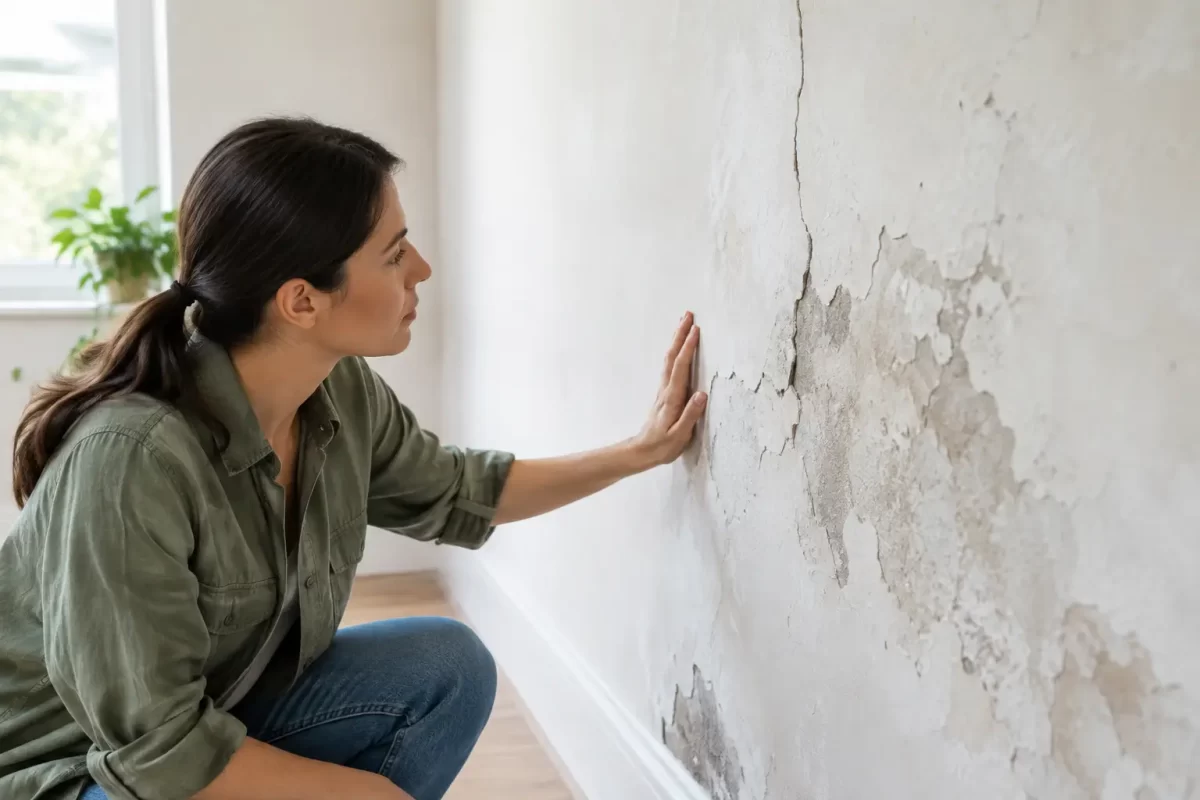
A fresh coat of paint cannot hide a wall that is moving, crumbling or uneven. Knowing when should walls be replastered can save you from paying for painting twice, while giving your home or commercial space the clean, durable finish it deserves.
Replastering is not always necessary when a wall has a few nail holes or minor scuffs. However, when damage runs deeper than the painted surface, proper plaster repair is what creates a sound base for every finish that follows. The right approach depends on the age of the property, the cause of the damage and the condition of the wall underneath.
Signs it is time to replaster walls
The most obvious sign is plaster that has cracked, lifted or started to break away. Fine hairline cracks can sometimes be repaired locally, particularly if they are stable and limited to one area. Wider cracks, recurring cracks, or cracks that run across ceilings, corners and door frames deserve a closer inspection. They may point to movement in the building, failed joints or plaster that is no longer properly bonded to the surface.
Bubbling, peeling or flaking paint is another warning sign. Paint can fail because of poor preparation, but if it comes away with a chalky or soft layer beneath it, the issue is likely the plaster or underlying moisture. Repainting over this type of surface may look acceptable briefly, but the same failure usually returns.
Walls with dents, large patches, uneven textures or visible old repairs can also benefit from replastering or a full skim coat. This is especially common after electrical work, plumbing alterations, removed cabinetry or a renovation where new and old wall sections meet. Under certain lighting, even small variations in a wall can become very noticeable after painting.
Other signs worth acting on include:
- plaster that sounds hollow when lightly tapped
- loose or crumbling material around windows, doors or cornices
- persistent damp marks, mould staining or salt-like residue
- walls that feel soft, powdery or uneven to the touch
These issues do not all require the same repair. A skilled plasterer assesses whether a local repair, joint repair, skim coat or complete replaster is the most sensible option.
When should walls be replastered rather than patched?
Patching is usually the right choice for contained damage. A small impact hole, isolated crack or section opened for repairs can be cut back, reinforced, filled and sanded to blend with the surrounding wall. Done well, a local repair should disappear once the wall is prepared and painted.
Replastering becomes the better investment where defects are widespread. If several old patches are visible across a room, the existing texture is inconsistent, or the wall has been repaired repeatedly over the years, spot fixes can leave a result that still looks uneven in natural light. A skim coat across the affected surface creates a consistent substrate and gives paint the smooth finish it needs.
Complete replastering may also be needed where older plaster has lost its bond over large areas. In these cases, applying more material over weak plaster is not a lasting solution. The failed sections need to be removed, the base prepared correctly and new plaster applied in a controlled process.
There is a practical balance to strike. Replastering every wall for a handful of minor marks can add unnecessary cost and disruption. On the other hand, choosing cheap, repeated patching for an extensively damaged wall often costs more over time. A professional assessment helps identify the repair level that suits the wall, the project and your budget.
Moisture must be fixed before plaster repairs begin
Water damage is one of the main reasons plaster fails, and it is never just a cosmetic issue. A leaking roof, failed waterproofing, damaged external sealant, plumbing leak or poor ventilation can all allow moisture into wall linings and plaster. On the Gold Coast, humidity and heavy rain can make small building defects more apparent, particularly around external walls, bathrooms and window openings.
Before any replastering starts, the moisture source needs to be identified and repaired. The area must then be allowed to dry properly. Plastering over a damp wall can trap the problem beneath the new finish, leading to stains, mould growth, cracking or detachment later on.
If mould is present, it should be treated carefully rather than simply painted over. The aim is to remove the affected material where required, address the moisture and restore a clean, dry surface. This protects both the quality of the work and the condition of the property.
Cracks can mean different things
Not every crack means a wall needs full replastering. Paint films can develop very fine cracks with age, while plasterboard joints may show slight movement as a house settles or seasonal conditions change. These can often be repaired with the right preparation and reinforcing tape where needed.
Cracks that are widening, appear suddenly, return after repair or run diagonally from doors and windows should not be ignored. They can be linked to structural movement, foundation issues, timber movement, water damage or poor previous workmanship. A plasterer can repair the surface once the cause is understood, but structural concerns may require advice from a suitably qualified building professional first.
This is particularly relevant before a major repaint. A high-quality paint finish can make the room look sharper, but it can also make unresolved cracking stand out. Repairing the substrate properly before painting is the best way to protect the finished result.
What professional replastering involves
Quality replastering is more than applying filler and sanding it flat. The process starts with protecting floors, furniture and surrounding finishes, then assessing the damaged area and removing loose or unstable material. The surface is cleaned, prepared and reinforced where required before new plastering compound is applied in appropriate layers.
Each layer needs sufficient drying time. Rushing this stage can lead to shrinkage, cracking or visible joins. Once the surface is level and fully dry, it is sanded carefully to achieve an even finish ready for primer and paint.
For a room being renovated, it is often efficient to coordinate plaster repairs and painting as one job. This avoids handover gaps between trades and ensures the painter is working with a properly prepared surface. Jag Painting Solutions takes this end-to-end view because a good paint job begins well before the first coat is applied.
Do not wait until the wall is beyond repair
Early action usually gives you more repair options. A small area of loose plaster may only need local treatment, while months of ongoing water exposure can affect a much larger section of wall or ceiling. Likewise, repairing cracks before a full interior repaint avoids disrupting a newly finished room soon after the work is complete.
If you are planning to sell, renovate or refresh a commercial space, inspect walls in strong natural light and with lights switched on. Look along the surface rather than directly at it. Uneven patches, joint lines and rippling are often easiest to see from an angle.
A wall does not need to be perfect before work begins, but it does need to be stable, dry and properly prepared. If you are unsure whether your walls need a simple repair or full replastering, an experienced tradesperson can give clear advice and a practical quote before the problem affects the finish you are investing in.


