

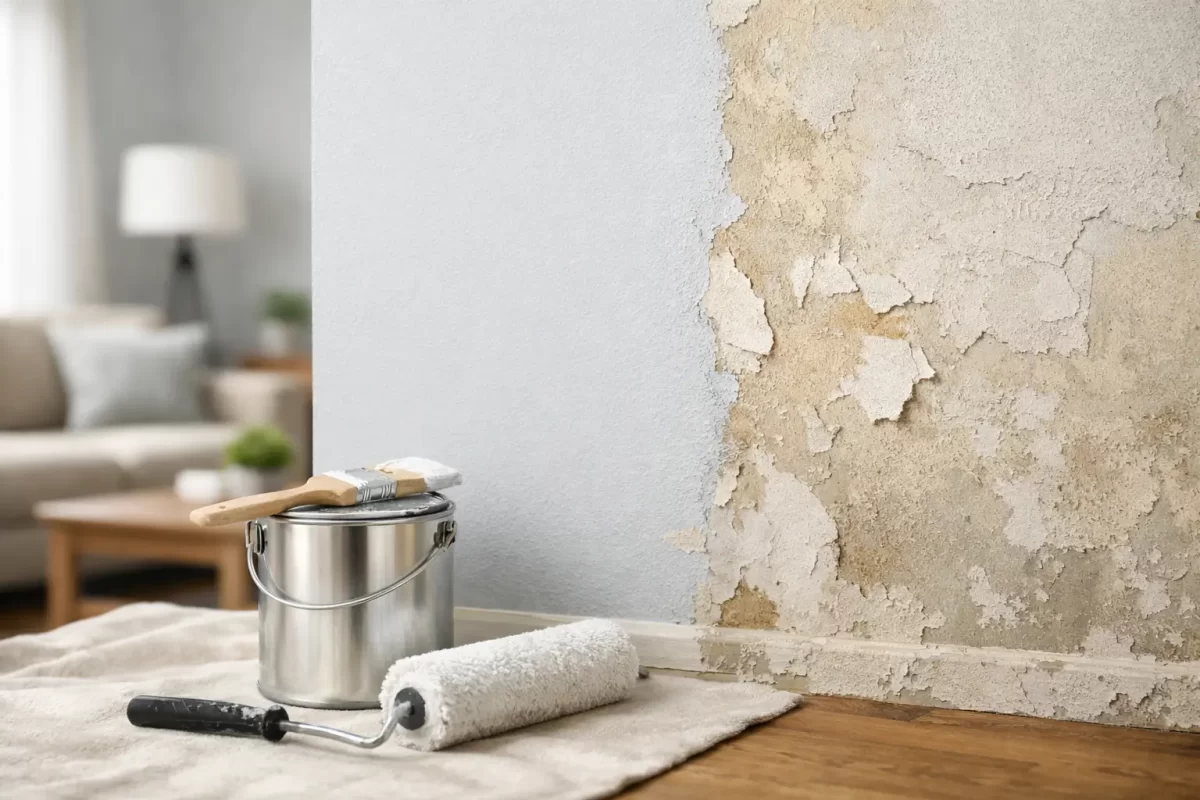
Freshly painted walls can make a room feel cleaner, brighter and more considered. But how long does interior paint last once daily life takes over? The honest answer depends on the room, the paint system and the preparation underneath it. A professionally painted living room may look great for seven to 10 years, while a busy hallway, bathroom or kitchen can need attention much sooner.
Paint does not always fail because it is old. Marks, moisture, poor adhesion and surface movement can all shorten its life. Knowing what to look for helps you plan maintenance before a tired finish becomes a bigger repair job.
How long does interior paint last by room?
There is no single repainting schedule for an entire home. Each room deals with different levels of traffic, humidity, sunlight and cleaning.
Bedrooms, formal living areas and low-traffic rooms commonly hold a quality finish for seven to 10 years. If they are well ventilated, carefully cleaned and not exposed to heavy wear, they may last longer. Ceilings can often go even further, although smoke residue, cooking vapour and water stains may change that.
Living rooms and dining areas generally need repainting every five to seven years. These spaces are used regularly, and walls tend to collect scuffs from furniture, fingerprints and everyday activity. A washable paint finish can make a meaningful difference here, especially in family homes.
Hallways, stairwells, entry areas and children’s rooms usually show wear first. Expect a repaint every three to five years, or sooner if there are persistent scuff marks, chips or grubby patches that no longer clean off evenly.
Kitchens, bathrooms and laundries face a different challenge: moisture. Steam, condensation, grease and regular cleaning put more pressure on the coating. In many homes, these areas benefit from repainting every three to five years. The right preparation, ventilation and moisture-resistant paint are essential if you want the finish to last.
What affects how long interior paint lasts?
The quality of the paint matters, but it is only one part of the job. A premium coating applied over an unprepared wall will not perform as well as it should. Professional results begin with assessing the surface, repairing defects and selecting a product suited to the room.
Surface preparation
Paint needs a clean, sound surface to bond properly. Dust, grease, residue, flaky old paint and untreated stains can all lead to peeling, patchiness or early failure. Walls may need washing, sanding, filling and spot priming before the first coat goes on.
Plaster repairs deserve particular care. If cracks, dents or damaged areas are rushed, they often become visible again once light hits the finished wall. Proper patching and sanding create the smooth base that gives paint its best chance of lasting.
The paint finish you choose
Different sheen levels suit different areas. Flat or low-sheen paint gives walls a soft, modern appearance and helps disguise minor surface imperfections. It is a popular choice for living areas and bedrooms, although some flat finishes are less forgiving when scrubbed.
Washable low-sheen, satin and semi-gloss finishes are often more practical in high-touch spaces. They are easier to wipe down and better suited to kitchens, bathrooms, doors, skirting boards and trims. The trade-off is that higher-sheen finishes reveal more surface imperfections, so careful preparation becomes even more important.
Daily wear and cleaning habits
A wall beside a dining table or in a narrow corridor will not age like one in a spare bedroom. Shoes, bags, pets, prams, furniture and little hands can leave marks that gradually dull the finish.
Gentle cleaning can extend paint life. Use a soft cloth or sponge with mild detergent, avoid harsh abrasives, and test cleaning products in an inconspicuous spot first. Repeated scrubbing in one area can burnish the surface, leaving a shiny patch even when the paint itself is still intact.
Moisture, ventilation and coastal conditions
On the Gold Coast and in Tweed, humidity can make good ventilation especially valuable. Bathrooms and laundries need exhaust fans that vent effectively, while kitchens benefit from rangehood use and regular cleaning of cooking residue.
If moisture is trapped behind paint, it can cause bubbling, peeling and mould growth. Painting over a damp surface may hide the issue briefly, but it will not solve it. The source of moisture, whether it is a leaking pipe, failed waterproofing, roof leak or condensation problem, should be addressed before repainting.
Sunlight and heat
Interior walls can still receive a surprising amount of UV exposure through large windows and glass doors. Strong sunlight can fade darker colours over time, particularly on feature walls. Heat can also affect the finish near windows and in enclosed rooms.
Window coverings and sensible colour selection can reduce obvious fading. When repainting a sun-exposed room, a professional colour consultation can help you choose a tone and finish that will continue to look balanced as light changes throughout the day.
Signs it is time to repaint interior walls
You do not need to wait until paint is peeling to arrange a repaint. Some changes are cosmetic, while others point to a preparation or moisture issue that should be investigated.
Look closely at walls in natural light. If the colour appears faded, uneven or permanently marked after cleaning, a new coat may be worthwhile. Scuffs around switches, doors and hallways are common signs of ordinary wear.
Cracking, flaking, bubbling or peeling needs more attention. These issues can be caused by poor adhesion, moisture, movement in the wall or painting over an unsuitable surface. A professional painter will assess the cause rather than simply apply another coat over the top.
Stains are another reason to act early. Water marks, nicotine residue, mould staining and grease can bleed through fresh paint unless they are properly treated and sealed. If there is a recurring stain, the underlying cause needs fixing first.
Can you extend the life of interior paint?
Yes, and the biggest gains are often made before the paint is applied. Choose a coating designed for the room, prepare the surface thoroughly and allow adequate drying time between coats. Rushing a paint job to get a room back in use quickly can compromise the finish.
After painting, keep humidity under control and deal with spills or marks promptly. Protect walls when moving furniture, use door stops where handles hit plaster, and touch up minor chips before they collect dirt or expose the surface beneath.
Keep a labelled tin of leftover paint where possible, noting the room, colour and finish. Small touch-ups are easiest when done with the original product. Be aware that even matching paint can look different after several years of fading, so larger damaged areas may need a full wall repaint for an even result.
When a touch-up is enough and when to repaint
A small isolated mark, chip or nail hole can often be repaired and touched up successfully. This is most likely to blend in when the paint is relatively new, the original product is available and the wall has not faded or been heavily cleaned.
A full repaint is usually the better option when marks cover a broad area, the finish looks uneven, or the existing colour has changed over time. It is also the right call when you are preparing a property for sale, completing a renovation or updating a room that no longer suits the rest of the home.
For bathrooms, kitchens and any wall showing peeling or mould, avoid treating repainting as a cosmetic fix. A careful assessment of the surface and moisture conditions will deliver a better result and prevent the same issue returning.
A well-finished interior should continue to look good between major repaints, not become another item on the maintenance list. When your walls are showing their age, Jag Painting Solutions can assess the condition, repair the surface where needed and provide a clear quote for a finish built to suit your home.


