

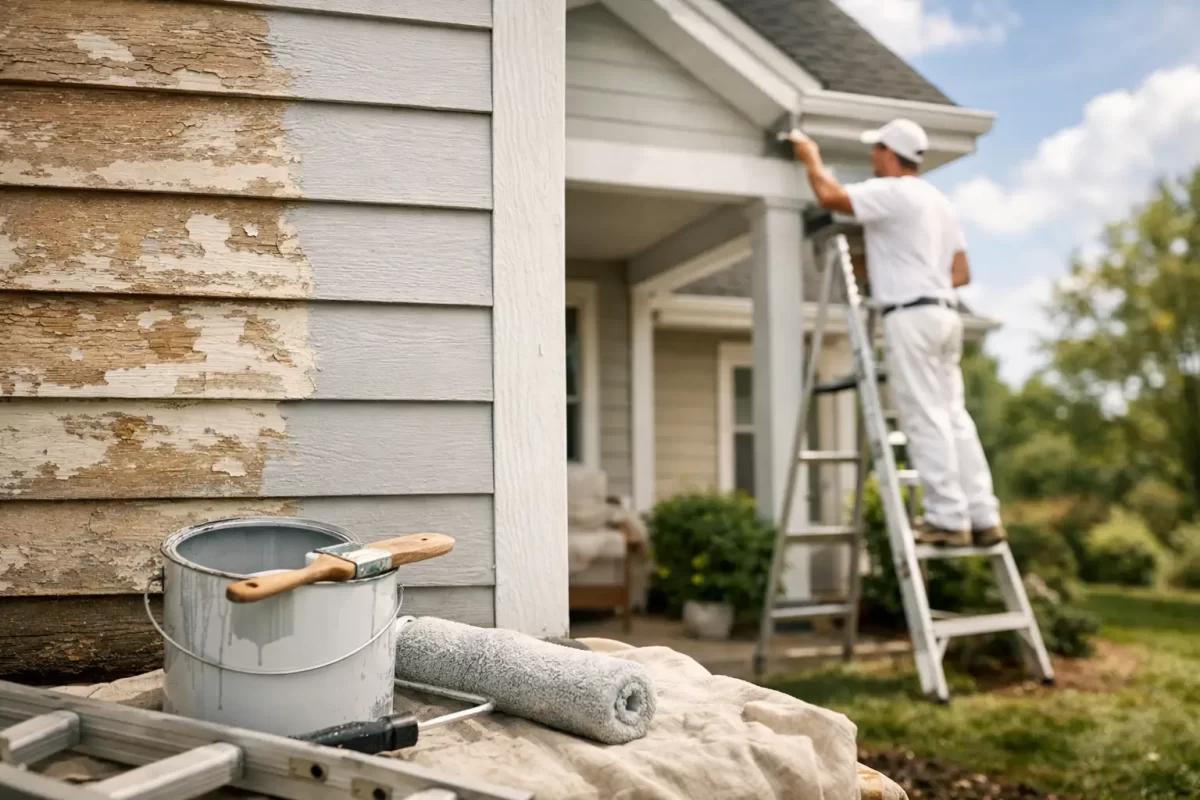
A fresh exterior does more than make a property look well cared for. It is the protective layer between your home and strong sun, driving rain, salt air, humidity and everyday wear. So, when should house exterior be repainted? The right answer is rarely based on a fixed calendar date. It depends on the condition of the existing coating, the materials beneath it and how exposed your property is.
On the Gold Coast and in Tweed, exterior paint can work hard. Homes near the coast contend with salt-laden air, while properties in sunny or elevated areas often receive prolonged UV exposure. Catching paint failure early allows for proper preparation and a longer-lasting finish, rather than a rushed repaint after moisture has already reached the surface.
When should house exterior be repainted?
Most exterior paintwork needs attention every seven to 10 years, but that is a guide, not a guarantee. A sheltered rendered home painted with a quality coating may hold up well for longer. Timber weatherboards, dark-coloured surfaces, older paint systems and homes close to the ocean may need repainting sooner.
The more useful question is whether the paint is still doing its job. Exterior paint should form a consistent barrier that sheds water, withstands sunlight and protects the substrate. Once it begins to break down, leaving it for another season can turn a straightforward painting project into more extensive repair work.
A yearly walk around the property is a sensible habit. Look closely at the western and northern sides, eaves, timber trim, window frames, gates and exposed fascia boards. These areas often show wear before more protected walls do.
Clear signs your exterior paint needs attention
Peeling, flaking or bubbling paint
Peeling and flaking are among the clearest signs that repainting should not be delayed. They can happen when paint has reached the end of its life, but they may also point to poor adhesion, trapped moisture or an unsuitable previous coating.
Bubbling paint deserves the same attention. Small blisters can form after water gets behind the coating or when a surface has been painted in unsuitable conditions. Simply painting over failed areas may hide the issue briefly, but the new coating is unlikely to last unless loose paint is removed and the underlying cause is addressed.
Fading, chalking and uneven colour
If a painted wall looks washed out compared with an area protected by an awning, UV exposure is likely taking its toll. Fading is particularly noticeable on deep blues, charcoals and other strong colours. It is often an appearance issue at first, but significant fading can indicate that the coating is losing its protective qualities.
Chalking is another common sign. Run your hand over the surface and check for a powdery residue. Some chalking is normal as exterior coatings age, yet heavy residue means the paint surface has deteriorated and needs thorough cleaning and preparation before repainting.
Cracks in paint, render or timber
Fine hairline cracks in a painted surface may be limited to the coating. Wider cracks, recurring cracks or splitting timber need a closer look. Paint cannot solve movement, water entry or a substrate problem on its own.
For rendered walls, cracks should be assessed and repaired before painting. For timber, check for splitting, rot, open joints and failed sealant around windows or doors. A professional painter can identify whether the work is ready for coating or whether repairs are needed first. This is one of the biggest differences between a finish that lasts and one that starts failing again within a short time.
Mould, mildew and persistent staining
Dark spotting, green growth and staining on shaded walls are common in humid conditions. Cleaning may improve the appearance, but it is worth understanding why it has formed. Dense planting, poor drainage, leaking gutters and limited airflow can all keep surfaces damp.
Exterior areas affected by mould need the right treatment and adequate drying time before paint is applied. Repainting a damp wall without dealing with moisture can lead to premature failure. In some cases, a suitable exterior coating system can also help make future cleaning easier, but it will not replace good drainage and maintenance.
Bare patches and exposed material
Paint worn away to bare timber, render, metal or masonry needs prompt attention. Once the substrate is exposed, moisture can enter more easily. Timber may swell, crack or rot, while metal can begin to corrode.
Small bare areas are tempting to patch, and local touch-ups can be appropriate in some situations. However, patching may leave a visible difference in sheen or colour, especially on weathered paint. If several areas are exposed, a full repaint is usually the better long-term result.
Gold Coast weather can shorten the repainting cycle
A paint system that performs well in a mild, dry climate may not last as long in coastal south-east Queensland. Strong sunlight breaks down binders and pigments. Summer storms test every seam and exposed edge. Humidity can slow drying, and salt can settle on exterior surfaces, particularly closer to the beach.
That does not mean every Gold Coast home needs repainting every few years. It means surface preparation, product selection and painting conditions matter more. Exterior surfaces should be properly washed to remove dirt, chalking, mould and salt residue. Cracks and gaps should be repaired, bare areas should receive the correct primer, and the chosen coating should suit the surface and local conditions.
Timing the work also matters. Painting during persistent wet weather or very humid periods can compromise drying and cure times. An experienced team plans around the forecast and works methodically so each stage has the conditions it needs.
Do not judge the job by paint alone
A new colour can make an older home feel completely refreshed, but exterior painting is primarily a maintenance job. The visible coat is only the final layer of a process that may include washing, scraping, sanding, filling, sealing, priming and protecting nearby areas.
Poor preparation is a common reason paint fails early. Applying premium paint over loose coating, chalky walls or damp timber will not produce a premium result. On the other hand, careful preparation may reveal that only selected areas need repair before the main painting work begins.
This is also the time to review sealant around openings, the condition of gutters and downpipes, and any landscaping that sits tightly against the building. A painter can prepare and coat the surfaces, but keeping water away from the home remains part of protecting the finish.
Is it better to repaint before selling or renovating?
Often, yes. A clean, well-finished exterior improves street appeal and helps a property look maintained from the first inspection. For sellers, neutral or broadly appealing colours can present the home well without distracting buyers from its features. For renovators, repainting at the right stage helps tie new additions, repairs and updated finishes together.
The trade-off is timing. If exterior repairs, roof work, replacement windows or landscaping are still planned, painting too early can create avoidable touch-up work later. It is usually best to complete messy building work first, then schedule painting once surfaces are stable and accessible.
Colour selection also deserves more thought than choosing a shade from a small sample card. Light, surrounding homes, roof colour, brickwork and existing materials all affect how a colour reads outdoors. Testing sample areas and seeking practical colour guidance can prevent an expensive change of mind after the work is complete.
A practical maintenance routine between repaints
Regular care helps exterior paint last longer. Wash down dirt, cobwebs and salt build-up periodically, especially on coastal properties. Keep gutters clear, trim plants away from walls and investigate leaks before they spread. A quick check after storm season can identify damaged sealant, loose paint or water staining while the repairs are still manageable.
Avoid high-pressure cleaning that damages older paint, forces water into gaps or strips soft timber. The safest method depends on the surface condition, which is why a professional assessment is valuable before any aggressive cleaning or repainting begins.
If your exterior is fading, chalking, peeling or simply no longer protecting the home as it should, it is worth arranging an inspection before the damage grows. Jag Painting Solutions can assess the condition of your surfaces, explain the preparation required and provide a clear quote for a finish that looks right and is built to last.


