

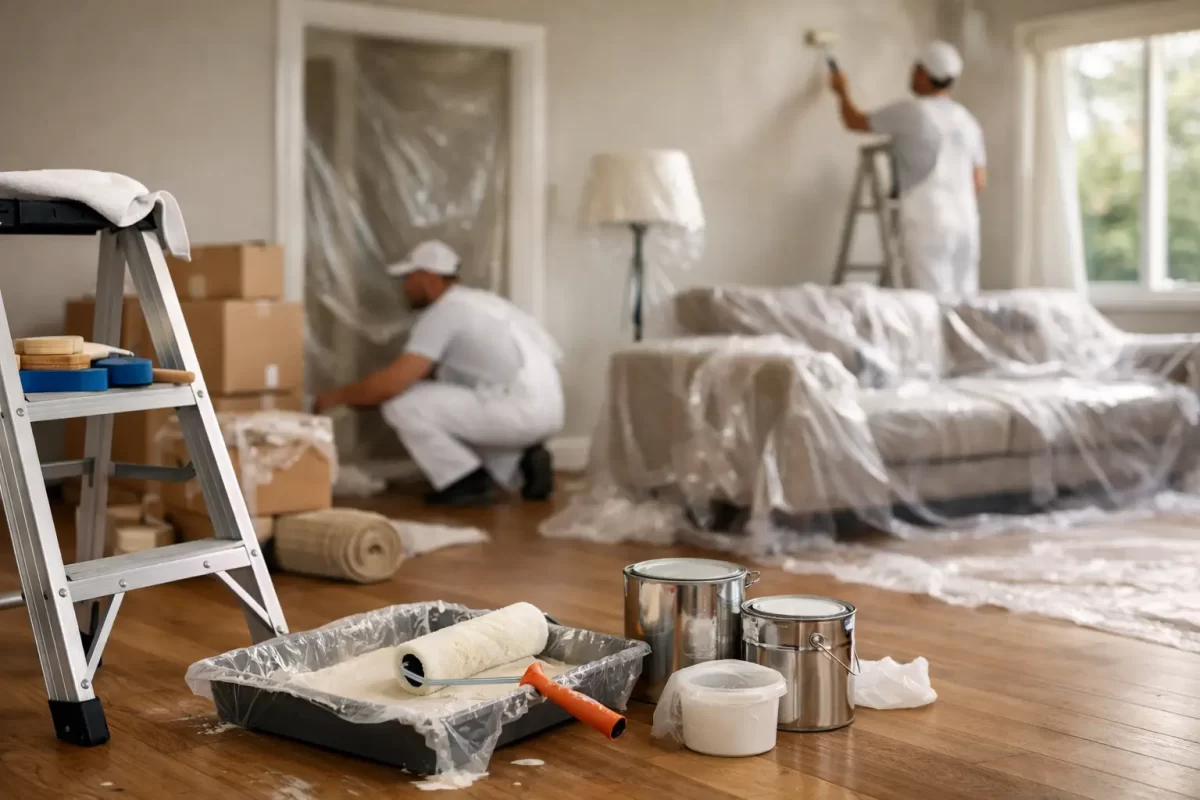
When painters arrive at a home that is clear, accessible and ready to go, the job usually runs faster, cleaner and with fewer interruptions. If you are wondering how to prepare home for painters, the good news is that a bit of planning before the first drop sheet goes down can make a real difference to both the finish and the overall experience.
Good preparation is not about doing the painter’s job for them. A professional team should still handle surface preparation, patching, sanding, masking and protecting work areas as part of the service. What matters on your side is making the space easy to access, protecting the things that are personal or fragile, and removing avoidable delays.
How to prepare home for painters before work starts
The best place to begin is with the rooms being painted. Furniture should be moved out where possible. If larger pieces cannot leave the room, shift them into the centre with enough space around the walls for ladders, sanding tools and safe movement. This gives painters room to work properly and reduces the risk of accidental bumps or dust settling into upholstered items.
Wall décor should also come down before the team arrives. Remove artwork, mirrors, clocks, shelves and anything else fixed to the wall unless you have agreed otherwise with your painter. It is also worth taking down curtain rods, hooks and lightweight fittings if they sit in the immediate work zone. Even when trades are careful, the less clutter on the walls, the smoother the job tends to be.
Smaller items matter too. Clear bedside tables, bookshelves, benchtops and console tables. Lamps, photo frames, plants and breakables are easy to overlook, but they create extra handling and can be damaged if they are left in busy work areas. Pack them away in a spare room, garage or another part of the property that will not be affected.
Protecting floors, valuables and everyday items
Professional painters will normally use drop sheets and protective coverings, but homeowners should still think about what is especially valuable or difficult to replace. If a rug is delicate, roll it up and store it elsewhere. If a room contains electronics, paperwork or sentimental items, move them before work begins rather than trusting that they will stay dust-free in place.
Paint preparation can involve sanding, scraping and patching, and that creates fine dust even with careful containment. Clothes in open wardrobes, pantry items on exposed shelving and toiletries in open bathroom storage can all collect dust if they are left uncovered. In some rooms, simply closing cupboard doors is enough. In others, especially during larger interior works, it is better to remove the contents or cover them.
Flooring needs a practical approach. Timber, tile and vinyl can usually be protected effectively by the painting team, but loose items on the floor should be removed first. That includes floor lamps, baskets, pet beds, children’s toys and anything else that creates obstacles. A clear floor is safer for everyone and helps the painters work efficiently from start to finish.
What to do with walls, nails and damaged surfaces
One question comes up often when discussing how to prepare home for painters: should you remove nails, screws and wall anchors yourself? In most cases, yes, if you no longer need them. Take out what you can and let the painter know which fittings must go back into the same spots later. If there are picture hooks or mounting points you want to keep, mention that before the quote or before work starts.
It is usually best not to start patching holes yourself unless you are confident in the result. DIY filling often looks fine before paint goes on, but once the light hits the finished wall, uneven sanding or shrinkage becomes obvious. A professional painter or plasterer can prepare those areas so the repairs blend properly with the surrounding surface.
If you have noticed peeling paint, water stains, cracks or mould, raise it early. These issues can affect the scope of work and sometimes point to a bigger problem beneath the surface. Water damage, for example, may need to dry fully or be repaired before painting. The earlier these details are discussed, the less chance there is of delays once the project has started.
Access matters more than people expect
A quality finish depends on workmanship, but it also depends on practical access. Make sure painters can get to the property easily, know where to park, and can move tools and materials in without difficulty. For exterior projects, unlock side gates and clear pathways around the house. Trim back plants where needed if they are pressing hard against walls, eaves or fences.
Inside the home, think about which areas need to stay open. If the team is painting hallways, stairwells or entry points, discuss how people will move through the house during the day. In some homes, families can remain in place with only minor adjustments. In others, especially with large interior jobs, it may be easier to stay elsewhere for part of the work. It depends on the scope, the drying times and how comfortable you are with limited room access.
Pets should be planned for as well. Even calm animals can become stressed around strangers, ladders and open doors. Keeping pets in a secure, separate area helps avoid escapes and interruptions. It also makes the site safer for the painting crew.
Cleaning and communication before the first day
Your home does not need to be spotless before painters arrive, but it should be reasonably tidy. Excess dust, grease and general clutter can slow down setup and make surface preparation harder in kitchens, bathrooms and high-use living areas. A basic clean is usually enough, particularly on surfaces near the work zone.
It also helps to confirm practical details in advance. Check which rooms are included, whether ceilings, trims, doors or walls are part of the scope, and if any plaster repairs are scheduled. If colour consultation has been part of the service, make sure final colour choices are locked in before the start date. Last-minute changes can affect timing, product ordering and the flow of the job.
This is also the time to mention anything the crew should know about the property. New flooring, freshly renovated bathrooms, alarm systems, difficult access points or areas that need extra care should be pointed out early. A dependable painting team will appreciate clear communication because it helps them protect the home properly and deliver the right result.
Preparing kitchens, bathrooms and exterior areas
Some parts of the home need a little extra attention. In kitchens, clear benchtops and remove small appliances so there is space to work around splashbacks, walls and trims. In bathrooms, put away toiletries, towels and bath mats. These spaces are often compact, so even a few everyday items can get in the way quickly.
For exterior painting, preparation often extends beyond the walls themselves. Move outdoor furniture, potted plants, barbecues and vehicles away from the immediate work area. If painters need access to garages, driveways or side paths, keep them clear. On the Gold Coast and in Tweed, weather can also affect exterior schedules, so some flexibility may be needed if rain or humidity delays progress.
If you live in a unit or managed property, check whether building access, parking or notice requirements apply. A little admin upfront can prevent frustration on the day.
What not to worry about
Homeowners sometimes feel they need to tape edges, cover everything in plastic or wash every wall before the painter arrives. In most cases, that is unnecessary. A professional crew should take care of masking, covering surfaces and preparing walls correctly as part of the job. Over-preparing can waste your time and occasionally create more work if coverings need to be redone.
The goal is not perfection before the painters begin. The goal is a home that is ready for skilled tradesmen to do their work safely, efficiently and with proper attention to detail. That means clear rooms, easy access, good communication and sensible protection for your belongings.
If you are not sure what to move or what to leave, ask before the start date. A good painting contractor will tell you exactly what helps and what they will handle themselves. That kind of clarity makes the project easier for everyone and usually leads to a better result on the walls.
A well-prepared home sets the tone for the whole job. When the space is ready and expectations are clear, painters can focus on what matters most – delivering a clean, lasting finish that looks right and feels worth the investment.


