Categories
Uncategorized

Painting Services for Renovations That Last

A renovation can look nearly finished, yet still feel incomplete because of uneven walls, rough patching, visible brush marks or colours that do not sit well together. Professional painting services for renovations bring the final layers of a project together, turning new plaster, altered rooms and repaired surfaces into a result that looks considered, clean and built to last.

For homeowners and property managers, painting is not simply a final task to tick off. It affects how well the renovation presents, how easily surfaces can be maintained and how confidently you can hand the keys back, move furniture in or welcome customers through the door.

Why painting deserves a place in renovation planning

Painting is often scheduled late in a renovation, but the planning should begin much earlier. New walls may need plastering, old surfaces can reveal hidden damage once fittings are removed, and changed lighting can make a familiar colour look completely different. Leaving these decisions until the last minute can create delays or lead to compromises that show in the finished work.

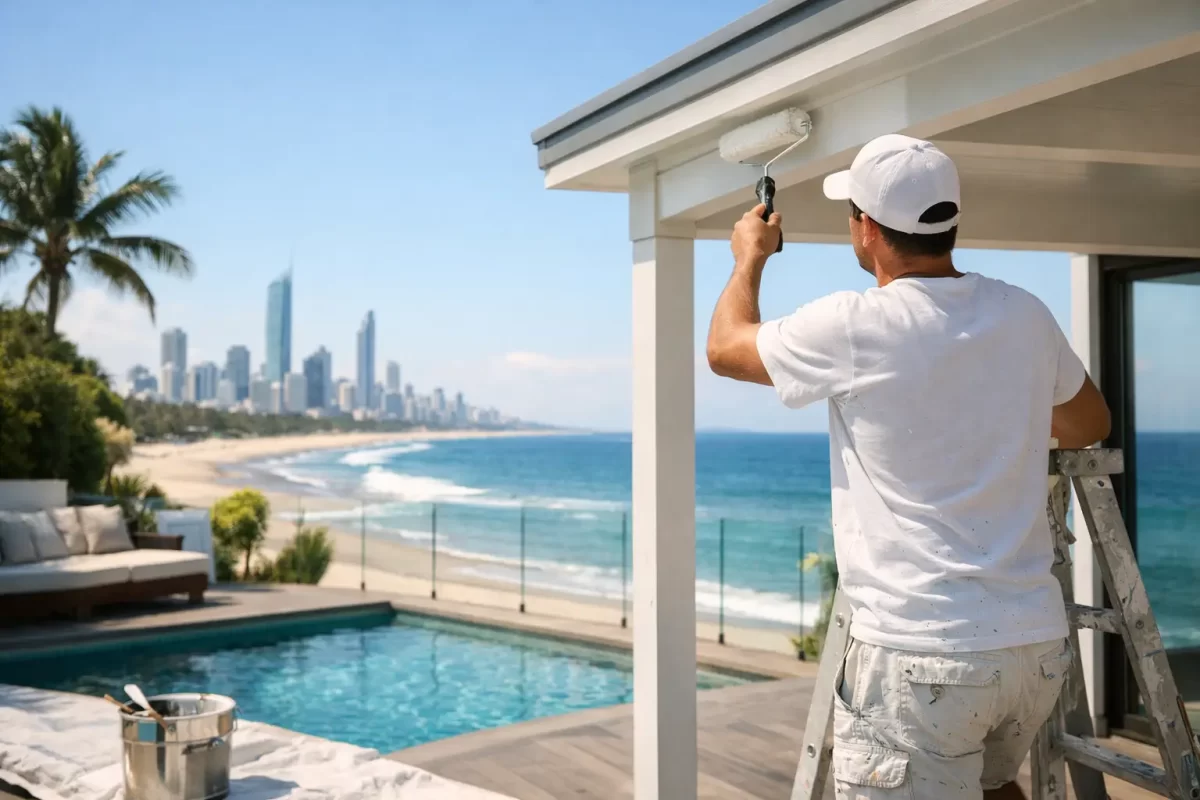
A skilled painting team can assess the condition of walls, ceilings, trims and exterior surfaces before work begins. This makes it easier to identify what needs repairing, what needs sealing and which areas need extra attention. On the Gold Coast, moisture, salt air and strong sun can also influence the preparation and coating system needed, particularly for exterior renovation work.

Good planning also helps other trades work around the painting schedule. Plaster needs appropriate drying time. Joinery, flooring, electrical fittings and splashbacks need to be coordinated so freshly painted surfaces are not damaged by the next stage of work. The best result is rarely about rushing to apply paint. It comes from preparing each surface properly and painting at the right point in the project.

What quality painting services for renovations include

The visible coat of paint is only one part of a professional finish. The work underneath determines whether the result remains smooth and sound after the renovation dust has settled.

Surface repairs and plastering

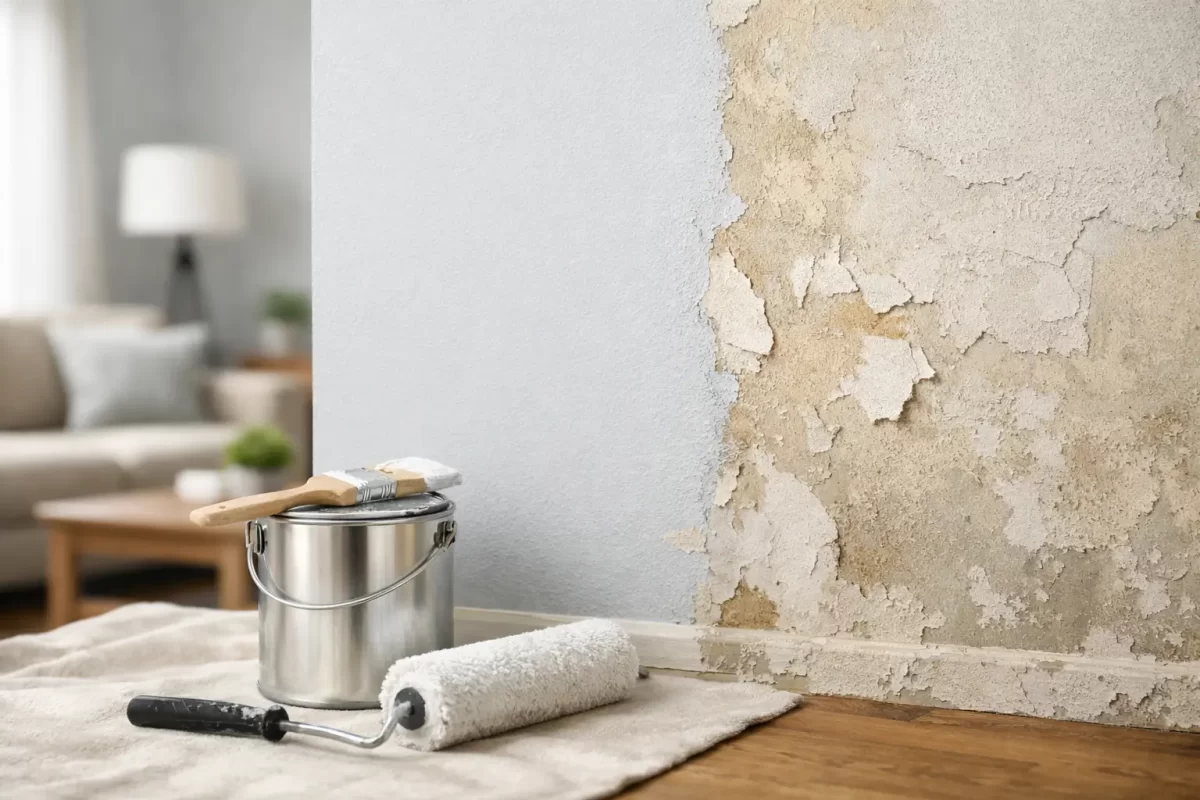
Renovations commonly leave behind more than a few small holes. Removed cabinetry, relocated power points, old cornices and changed doorways can create patches, cracks and uneven joins. These areas need to be repaired, sanded and blended carefully before paint is applied.

Where new plasterboard has been installed or walls require more extensive repair, plastering and painting should be treated as connected stages of the same finish. A wall can be freshly painted and still look poor if the substrate is uneven. Taking the time to correct the surface first gives the paint a much better foundation.

Careful preparation and protection

Preparation includes cleaning, sanding, filling, priming and masking, but it also includes respect for the property. Floors, furniture, fixtures and adjacent finished areas need to be protected throughout the job. This matters even more in a partial renovation where people may still be living or working in the space.

A professional team will also consider the surface being painted. Previously painted walls, bare timber, metal, masonry and water-affected areas each require different preparation and primers. Using one approach everywhere may save time initially, but it can lead to peeling, flashing or inconsistent sheen later.

Coating systems suited to the space

The right paint depends on the room and the way it is used. Kitchens, hallways and family areas often benefit from durable, washable finishes. Bathrooms and laundries need coatings that suit humid conditions. Ceilings, doors, trims and feature walls all call for deliberate choices around sheen and product type.

Exterior work has its own demands. Painted timber, rendered walls, fences and metal surfaces are exposed to weather every day. A suitable exterior system, applied over properly prepared surfaces, helps protect the property as well as improve its street appeal.

Colour choices should support the renovation

Colour selection can feel simple until sample pots go on the wall. Natural light, window direction, flooring, cabinetry and neighbouring colours all change the way a paint colour reads. A cool white that works in a bright showroom may appear grey in a shaded living room. A dark feature colour can add depth, but in a small room with limited light it may make the space feel closed in.

This is where practical colour guidance is valuable. Rather than choosing colours in isolation, look at them alongside fixed finishes such as tiles, stone, benchtops and window frames. Consider how rooms connect to one another and whether the renovation needs a consistent palette or a few intentional points of contrast.

There is no single best choice. Light neutral colours can make a property feel fresh and flexible for future buyers or tenants, while stronger colours can give a renovated home more personality. The right approach depends on the building, the available light and how the space will be used.

Interior, exterior and commercial projects need different thinking

A full home renovation may involve repainting bedrooms, living areas, ceilings, doors, trims and wet areas. The challenge is creating a consistent finish while working around new flooring, cabinetry and fixtures. Clear staging and careful protection are essential.

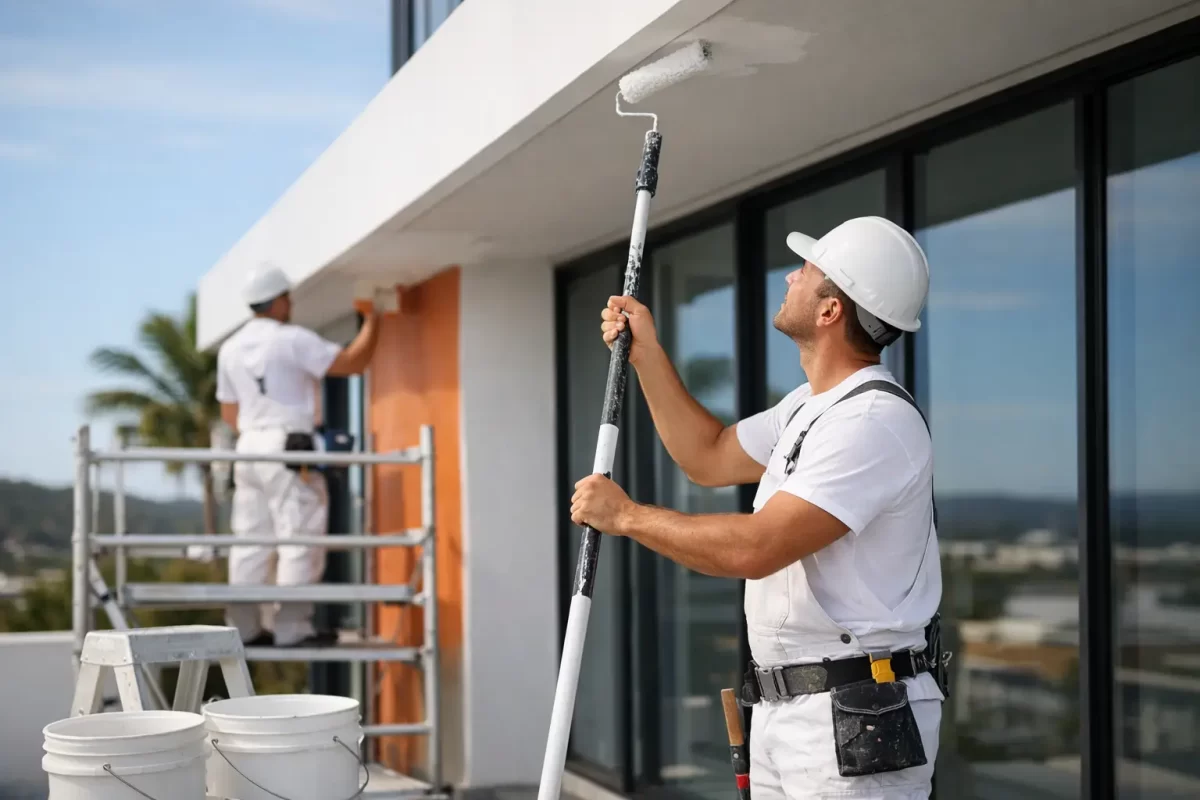
For an exterior renovation, durability is usually the priority alongside appearance. Cracked render, weathered timber and tired eaves should be addressed before new coatings go on. A fresh exterior paint job can dramatically lift a property, but only if surface issues are resolved rather than painted over.

Commercial renovations bring another layer of planning. Businesses may need work completed around trading hours, tenants, staff or customers. The finish needs to reflect the brand and stand up to regular use, while disruption is kept to a minimum. A reliable contractor will discuss access, timing and site requirements before work starts, not after the first day on site.

How to choose the right painting contractor

A quote should give you more than a price. It should help you understand the scope of work, the preparation involved and the finish you can expect. If a quote is vague about repairs, primers or the number of coats, it can be difficult to compare it fairly with another proposal.

When speaking with painting contractors, ask how they will handle existing damage, newly plastered areas and protection of finished surfaces. Discuss the paint system proposed for each area, not just the colour. It is also worth confirming the expected schedule, who will be on site and how changes will be communicated if the renovation uncovers additional work.

Price matters, but the cheapest quote is not always the best value. A lower figure may allow less time for preparation, omit repairs or use a basic coating system where a more suitable product is needed. Repainting a poor finish soon after the renovation is complete is frustrating and usually costs more than doing the job properly from the start.

Look for tradesmen who communicate clearly, arrive when arranged and take responsibility for the details. For Jag Painting Solutions, that means treating each home, workplace and renovation site with care while delivering workmanship that holds up beyond handover.

A smoother result starts with a clear scope

Before painting begins, make sure the renovation scope is settled as far as possible. Confirm which areas are included, whether ceilings and trims are being repainted, what repairs are required and which colours and sheen levels have been selected. If other trades still need access, agree on the order of work so painted areas are not unnecessarily marked or damaged.

It also helps to allow realistic time for drying and curing. Fresh plaster, fillers and primers cannot be rushed without risking the finish. Likewise, newly painted surfaces may be dry to touch before they have fully hardened. Planning around these details protects the quality of the result.

A well-finished renovation should feel easy to live with, not like a collection of separate upgrades. When preparation, plastering, colour selection and painting are handled with care, the finished surfaces give every other improvement in the property the presentation it deserves. If your renovation is approaching its finishing stage, a detailed, obligation-free quote is a practical next step toward a result you will be happy to come home to.

Categories
Uncategorized

Exterior House Painters Tweed: What Good Work Looks Like

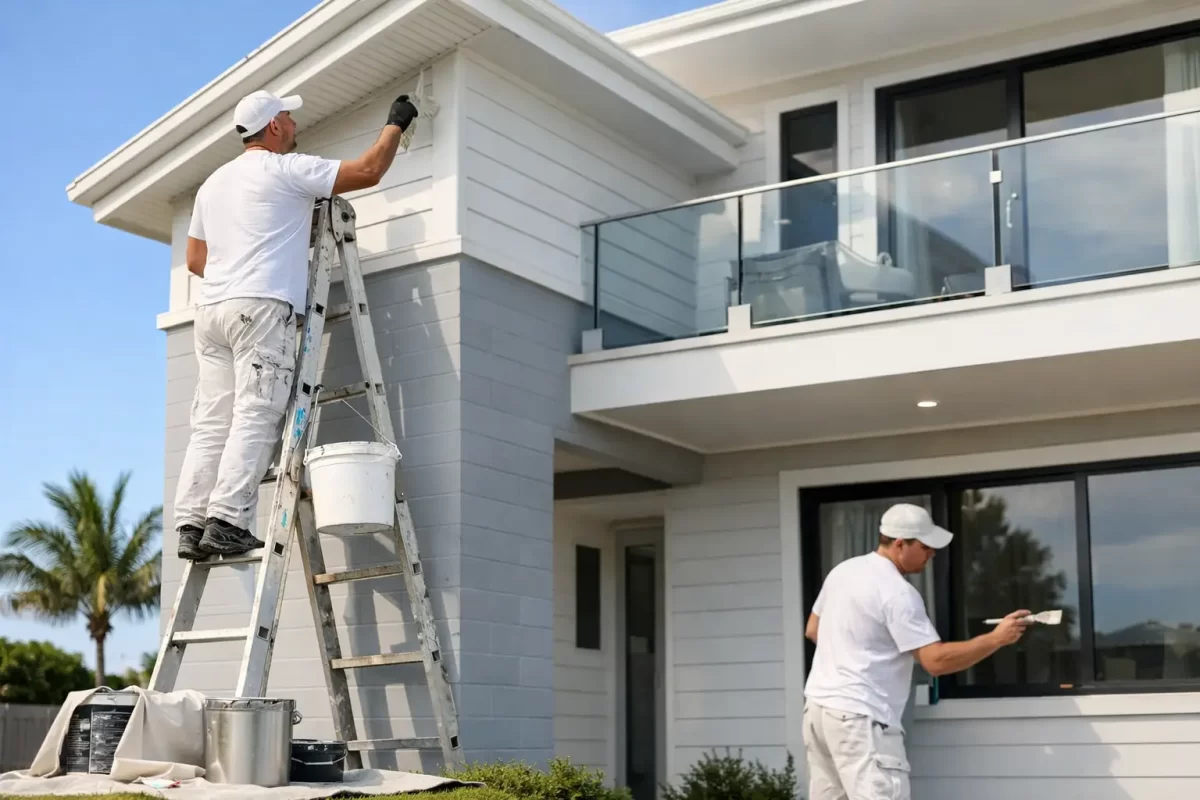
A fresh exterior paint job should do more than make a property look tidy from the street. It should protect the building materials beneath it from sun, rain, humidity and coastal exposure. When choosing exterior house painters Tweed property owners can rely on, the real difference is rarely just the final colour. It is the preparation, product choice, workmanship and care taken around your home from the first inspection to the final clean-up.

In Tweed and nearby coastal areas, exterior surfaces work hard. Strong UV, wet weather, salt in the air and changing temperatures can all shorten the life of a poor-quality paint system. A professional result starts with understanding what the house needs, rather than applying a standard solution to every surface.

Exterior House Painters Tweed Homeowners Can Trust

A quality painter will assess the condition of the exterior before recommending colours or coatings. Timber weatherboards, rendered walls, brick, metal fascia, eaves and previously painted surfaces all need a different approach. The right process depends on the material, its current condition and the level of exposure it receives.

For example, peeling paint is not simply an appearance issue. It can point to moisture, poor adhesion, inadequate previous preparation or coatings that are no longer suitable for the surface. Painting over it may offer a short-term improvement, but the problem is likely to return. Proper scraping, sanding, repairs, priming and drying time create the foundation for a finish that lasts.

This is where experienced tradesmen add real value. They know when a surface can be cleaned and recoated, when it needs more extensive preparation, and when a repair or plastering service should happen before painting begins. Clear advice upfront helps prevent unwanted surprises once the work is underway.

Preparation Is What Protects the Finish

The visible paint coat gets the attention, but preparation takes up much of the work on a well-managed exterior project. It is also one of the easiest areas for an unreliable contractor to cut corners.

Before paint is applied, exterior walls and trims may need washing to remove dirt, chalking residue, mould, salt and loose material. Cracks and gaps should be addressed with suitable fillers or sealants. Flaking areas need to be sanded back, while bare timber, repaired sections and other exposed substrates often require the correct primer.

Preparation also includes protecting the property. Windows, paths, decks, gardens and outdoor furniture should be covered or masked as needed. A professional team plans access carefully, keeps the work area orderly and treats your home with respect. That matters whether you are living in the property during the work, preparing it for sale or managing a renovation with several trades on site.

There are times when complete paint removal is necessary, but it is not always the right answer. If existing coatings are sound and compatible, a thorough clean, spot preparation and quality topcoat system may provide excellent value. If the surface is badly deteriorated, more extensive work may be the only sensible way to achieve a dependable result. A good quote explains the difference so you can make an informed decision.

Choosing Coatings for Coastal Conditions

Paint is not one-size-fits-all. Exterior coatings need to suit the surface and the environment, particularly on properties exposed to harsh sunlight or sea air. A quality system typically includes suitable primers where required and durable exterior topcoats designed to resist fading, cracking and weathering.

The cheapest paint option can be tempting, especially on a large home. However, lower-grade products may not offer the same coverage, adhesion or long-term colour retention. That can mean repainting sooner than expected. At the same time, the most expensive product is not automatically the best choice for every job. The correct coating is the one that matches the substrate, condition and expected exposure.

Sheen level also deserves consideration. Low-sheen finishes are popular for exterior walls because they provide a clean look while helping to hide minor surface imperfections. Semi-gloss or gloss finishes are commonly used on doors, trims and metalwork because they are more washable and create definition. Higher sheens can show surface flaws more readily, so preparation becomes even more important.

Colour Choices That Work Beyond the Sample Card

Colour can change how a home feels, but it also affects how the exterior performs and how much maintenance it may need. Dark colours can look striking on contemporary homes, yet they absorb more heat and may be less forgiving on large sun-exposed walls. Very light colours can brighten a façade, although they may show dirt or staining more noticeably in some settings.

It helps to view test patches outdoors at different times of day. A colour that looks soft and warm in a showroom can appear much brighter in full sunlight. Existing roof colours, brickwork, paving, fences and neighbouring surroundings should all be considered before settling on a scheme.

For many homeowners, the safest approach is to choose a main wall colour that complements fixed features, then use trims and doors to add contrast. A colour consultation can make this process far less stressful, especially when there are multiple finishes, renovation elements or family preferences to balance.

What a Clear Exterior Painting Quote Should Cover

A quote should give you confidence about what is included, not leave you guessing once the job starts. It should identify the areas to be painted, the preparation required, the paint system proposed and any exclusions or repair work that may sit outside the original scope.

Ask how the painter will handle peeling paint, cracks, mould, timber damage or areas that cannot be fully assessed until access is available. These issues do not always mean the quote is unreliable. They are common on older properties. What matters is that the contractor raises them early and explains how they would be managed.

You should also know how the team will protect surrounding areas, manage access and keep the site tidy. Communication is part of workmanship. If weather delays the schedule, a professional painter should keep you informed rather than leaving you wondering when the job will resume.

Price is naturally important, but comparing quotes only by the bottom line can be misleading. One proposal may allow for washing, filling, priming and premium exterior coatings, while another may include a quicker repaint with limited preparation. They are not equivalent jobs, even if both are described as exterior painting.

Signs of a Professional Finish

Once the work is complete, the exterior should look consistent from close up and from the street. Edges around windows, eaves and trims should be neat. Paint coverage should be even, with no obvious misses, drips, roller marks or overspray on nearby surfaces.

A professional finish also means the practical details have been handled. Gates should still open properly, outdoor fittings should be clean, and the site should be left free of paint debris and unnecessary rubbish. The team should be available for a final walk-through so you can inspect the result and raise any reasonable questions.

At Jag Painting Solutions, the focus is on delivering this level of care through experienced workmanship, considered preparation and straightforward communication. Whether the project is a full exterior repaint, a renovation refresh or selected weathered areas, the aim is to provide a finish that looks right and performs well.

Plan Before the Exterior Needs Saving

The best time to organise exterior painting is often before major peeling, timber damage or widespread coating failure develops. Keep an eye on sun-facing walls, timber trims, eaves, decks and areas near gardens where moisture can linger. Early maintenance can be more manageable than a large repair project later.

If your property is starting to look tired or you are unsure what its exterior needs, arrange a detailed inspection and free quote. The right painter will give you practical advice, explain the scope clearly and help you choose a finish that protects your home for years to come.

Categories
Uncategorized

Planning a Gold Coast Townhouse Repaint

A Gold Coast townhouse repaint is rarely as simple as choosing a fresh wall colour and booking a painter. Townhouses often sit within a body corporate arrangement, share boundary walls or accessways, and have exterior finishes exposed to strong sun, salt air and driving rain. A well-planned repaint protects the building, lifts its presentation and avoids the frustrating surprises that can slow a project down.

For owners and renovators, the best result comes from treating painting as a finishing system rather than a quick cosmetic fix. That means confirming approvals, repairing the surface properly, selecting suitable products and giving the work enough time for careful preparation.

Start with body corporate requirements

If your townhouse is part of a complex, the first question is whether the work affects common property. Interior painting inside your lot is usually straightforward, but exterior walls, balcony ceilings, fences, entry doors, garage doors and visible trim may be subject to body corporate rules.

Check the by-laws and speak with the committee or strata manager before settling on colours or dates. Some schemes have an approved palette to maintain a consistent appearance, while others require written approval for any external change. Even where the colour is staying the same, access equipment, parking arrangements and work hours may need to be agreed on.

This step is worth doing early. Ordering paint or organising trades before approval can create unnecessary delays, particularly when a committee only meets monthly. A clear scope also helps neighbours understand what is happening, when painters will be on site and whether access near shared areas will be affected.

Assess the surfaces before choosing paint

A townhouse can have very different painting needs from one elevation to the next. The sunny western side may show faded colour and brittle coatings, while shaded walls can develop mould or mildew. Balconies, rendered surfaces, timber trim and metal railings each need the right preparation and coating system.

A professional inspection looks beyond the visible colour. Peeling paint, fine render cracks, chalky surfaces, water staining and soft timber can all affect adhesion and the final appearance. Painting over these issues may make the home look better for a short time, but the coating is unlikely to hold up as it should.

Common exterior issues on the Gold Coast

Coastal conditions can be hard on exterior finishes. UV exposure gradually breaks down paint films, and salt-laden air can contribute to corrosion on metalwork. Humidity also gives mould a foothold where walls receive little sun or have limited airflow.

The solution depends on the issue. Mould needs to be treated and removed rather than simply painted over. Cracked render may require patching and priming. Rust on railings or metal balustrades needs thorough preparation before a suitable protective coating is applied. Where moisture is entering through a failed sealant joint or damaged flashing, that building issue should be addressed before painting begins.

Plan access, protection and daily living

Townhouses can be tight sites. Shared driveways, narrow side passages, limited visitor parking and neighbouring courtyards all influence how the work is carried out. Good planning keeps the project moving while respecting the people living around it.

Before work starts, discuss where vehicles, materials and equipment will be placed. If ladders, scaffolding or elevated access are needed, there should be a clear plan for safe set-up and pedestrian access. Exterior work may also need to be staged around weather conditions, especially during wet or humid periods.

Inside, protecting flooring, furniture, benchtops and personal belongings matters just as much as the paint itself. A careful team will prepare rooms properly, cover fixed items and leave the work area tidy at the end of the day. For occupied homes, it can also help to paint one zone at a time so you are not living through the entire project at once.

Choose colours that suit the townhouse and complex

Colour selection is where many townhouse repaints either look considered or feel out of place. The right choice should work with the roof, paving, window frames, brickwork and neighbouring properties, not compete with them.

For an exterior repaint, lighter colours can reduce heat absorption and often suit the bright Gold Coast environment. However, very light finishes can show dirt more readily in busy common areas. Dark colours can create a striking contrast on doors, trims or feature sections, but they may fade faster in full sun and can make a small façade feel heavier. There is always a balance between appearance, maintenance and the rules of the complex.

Indoors, a consistent neutral base can make a townhouse feel larger and easier to update over time. Warm whites, soft greys and muted natural tones work well with many flooring and furnishing styles. Feature colours can add personality in a living area, stairwell or bedroom, but samples should be viewed on the actual wall in morning, afternoon and artificial light before making a final decision.

A colour consultation can be particularly useful when the repaint forms part of a renovation. It helps bring new cabinetry, tiles or flooring together with the existing fixed elements that are staying.

Preparation determines the quality of the finish

The final coat is what everyone sees, but preparation is what makes it last. Rushed preparation often shows up as uneven texture, visible patching, poor adhesion or paint failure around doors, windows and high-traffic areas.

A thorough townhouse repaint typically includes:

  • cleaning surfaces to remove dirt, mould, grease and chalky residue
  • scraping loose or flaking paint, then sanding for a sound, even base
  • filling dents, cracks and minor surface imperfections where appropriate
  • repairing or patching plaster and render before priming affected areas
  • masking and protecting fixtures, floors, glazing and surrounding surfaces

Not every wall needs the same level of repair. A recently painted interior may only require minor filling and spot priming, while an older exterior can need more detailed restoration. An honest quote should reflect the condition of the surfaces and explain what preparation is included.

Allow for the right products and timing

Quality paint is only part of the equation. The correct product needs to be matched to the surface, location and level of exposure. Exterior coatings need to withstand weather, while wet areas require finishes that cope with moisture and regular cleaning. High-use internal areas, such as hallways and stairwells, benefit from durable coatings that are easier to maintain.

Weather also matters. Paint should not be applied to damp surfaces or during unsuitable conditions, as drying and curing can be affected. A flexible schedule is sensible for exterior work, particularly during periods of regular rain. Trying to force a job through poor conditions is not a shortcut worth taking.

Know what to expect from a detailed quote

A repaint quote should give you confidence about the scope, not leave you guessing. It should identify the areas being painted, the preparation work involved, the number of coats where relevant and whether materials are included. If access is difficult or specialist equipment may be required, that should be clear from the beginning.

It is also helpful to ask how unexpected issues will be handled. Once old paint is removed, hidden damage or more extensive surface deterioration can occasionally be uncovered. Clear communication at that point allows you to make an informed decision before additional work proceeds.

For townhouse owners preparing to sell or renovate, the cheapest option can become expensive if the finish fails early or repairs are skipped. The better value is workmanship that improves the look of the property while giving the surfaces the protection they need.

A repaint that feels looked after

A townhouse should still feel like home while work is underway. That comes down to reliable scheduling, respectful tradespeople, tidy work practices and straightforward communication from the first inspection through to the final walkthrough.

Jag Painting Solutions approaches townhouse projects with that level of care, whether the job is a single interior refresh, exterior maintenance or a full repaint around a renovation. Start with a clear assessment of your surfaces and approval requirements, then request a detailed quote that suits the way you live in and look after your property.