Categories
Uncategorized

How to Choose a Painter on the Gold Coast

A paint job can look fresh on day one and still be a poor job. That usually shows up later – patchy coverage in afternoon light, cracking around repaired areas, peeling on sun-beaten walls, or edges that never looked quite straight. If you are hiring a painter on the Gold Coast, the real question is not just who can apply paint. It is who can prepare the surface properly, give sound advice, and deliver a finish that holds up.

For homeowners, renovators and business owners, that difference matters. Painting affects presentation, maintenance, value and how a space feels to live or work in. Done well, it lifts the whole property. Done poorly, it becomes another job to redo sooner than expected.

What a good painter on the Gold Coast should actually offer

A reliable painting contractor should bring more to the project than brushes and rollers. The best results come from a full-service approach that starts before the first coat goes on. That includes assessing the condition of the surfaces, identifying repairs, recommending suitable products, and setting clear expectations around timing and access.

This is especially relevant on the Gold Coast, where homes and commercial buildings deal with strong sun, moisture, salt in coastal areas, and everyday wear. Exterior surfaces can break down faster if preparation is rushed or if the wrong system is used. Interior work has its own challenges, particularly in lived-in homes where cleanliness, protection and careful scheduling make a big difference to the experience.

A capable painter should also be able to handle related finishing work where needed. Plaster repairs, patching and surface levelling are often part of achieving a clean final result. If those issues are skipped or handed off without coordination, the finish usually suffers.

Preparation is where quality starts

Most people notice the final colour, but tradespeople notice the prep. That is where the standard of the job is set. Sanding, cleaning, filling, sealing and repairing are not extras. They are part of the work.

If a wall has dents, old flaking paint, moisture marks or movement cracks, covering it with fresh paint will not solve the problem. It may improve the look briefly, but the defects tend to come back through. The same applies outside. Timber trim, render, eaves and weathered surfaces need proper attention before topcoats are applied.

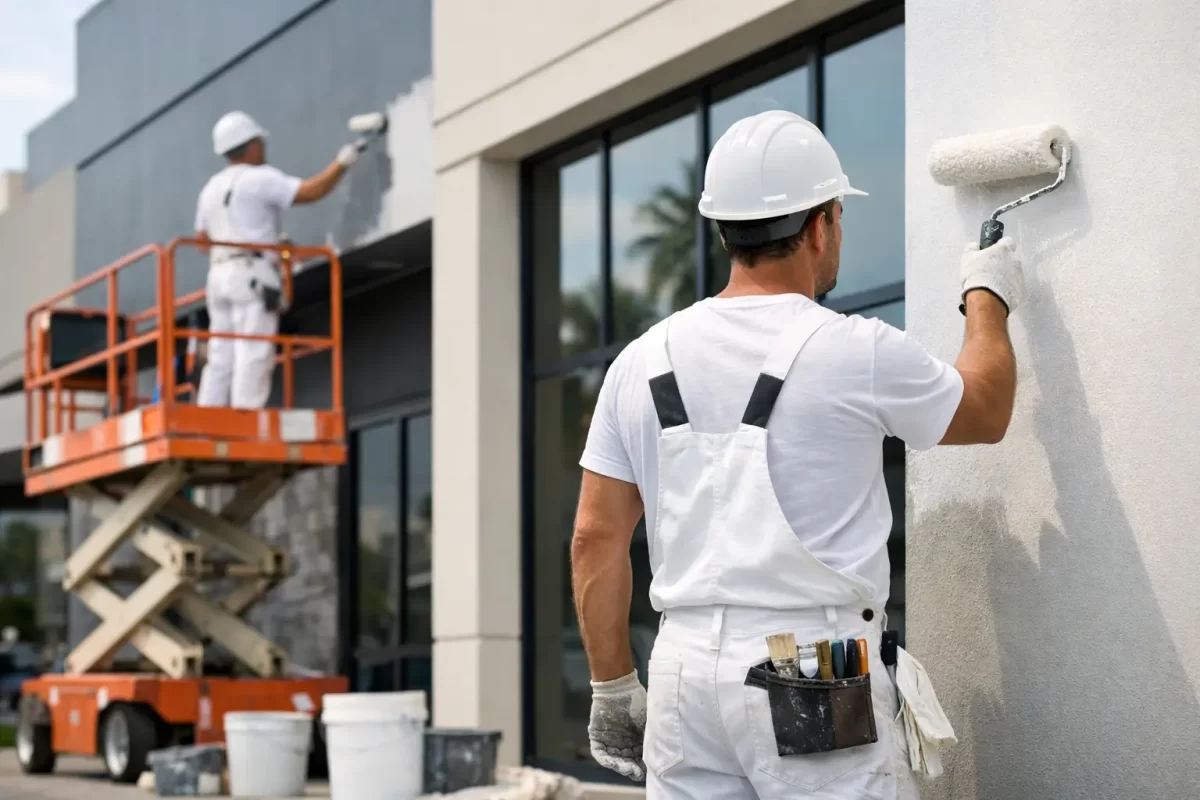
There is no single formula for every property. A newer home needing a refresh will usually require a different level of prep than an older house under renovation. Commercial spaces can also vary. A shopfront repaint, for example, may need fast turnaround and careful staging, while an office interior may need after-hours work to reduce disruption.

Interior painting is about more than neat walls

Inside the home or workplace, the finish has to stand up to close inspection. People see these surfaces every day, often in changing light. That means consistency matters. So do straight lines, smooth repairs and the right sheen level for the room.

Choosing the colour is only part of the decision. The right painter should help you think through how the finish will work in the space. A bright white can feel crisp in one room and harsh in another. Darker colours can add depth, but they often show imperfections more easily if the preparation is not thorough. Low-sheen, satin and semi-gloss finishes each have practical benefits depending on traffic, moisture and the type of surface.

This is where practical colour guidance becomes valuable. Many clients know the feel they want but are less certain about undertones, light reflection or how one room should connect with the next. Good advice can prevent expensive second-guessing.

Exterior painting needs a long-term view

Exterior painting is not just about street appeal, though that matters. It is also part of protecting the building envelope. Sun exposure, rain and coastal conditions can all shorten the life of a finish if the system is not suited to the substrate and environment.

A proper exterior job should consider the age and condition of the building, the materials being painted, and how exposed each elevation is. North- and west-facing walls often take more punishment. Timber requires different treatment from rendered masonry or previously coated metal. In some cases, more extensive preparation is needed to stop deterioration from continuing under the new paint.

This is one area where the cheapest quote can become the most expensive. If prep is cut back to save time, the coating may fail early. Repainting too soon costs more than getting it done properly in the first place.

Commercial work has different pressures

For business owners and property managers, painting is often tied to image, tenancy, maintenance schedules and downtime. A contractor working on a commercial site needs to understand that the finish matters, but so does the process.

Clear communication is essential. Start dates, staging, site access, protection of surrounding areas and daily clean-up all affect how smoothly the job runs. In active workplaces, flexibility can matter just as much as technical skill. Some projects need to be completed in sections. Others need work outside trading hours.

There is also less room for surprises. A professional painting team should be able to assess likely issues early and explain any limitations before the job starts. That helps owners make decisions with confidence and keeps the project moving.

Signs you are dealing with the right team

Trust is built in the smaller details. A quality contractor usually asks the right questions before quoting. They want to know the condition of the surfaces, what outcome you are after, whether there are repairs involved, and how the space is used. That tells you they are thinking beyond square metres.

It also shows in how they treat your property. Homes should be protected properly. Furniture, floors and fixtures should be covered where required, and the site should be left tidy at the end of the day. For many clients, this is not a bonus. It is part of professional service.

You should also expect straightforward communication. That means realistic timeframes, clear scope, and honest advice if something needs more work than first expected. Not every issue can be predicted before work begins, particularly in older properties, but it should never feel like you are being kept in the dark.

Why quotes can vary so much

It is common to receive different prices for what sounds like the same painting job. Usually, the gap comes down to scope, preparation, product quality and labour time.

One quote may include plaster repairs, thorough sanding, premium coatings and careful protection of the site. Another may cover only basic application over existing surfaces. On paper they can look similar, but the finished result and lifespan may be very different.

That does not mean the highest quote is always the right one. It does mean you should understand exactly what is included. Ask whether surface repairs are part of the price, how many coats are planned, what products are being used, and whether clean-up and protection are covered. A good contractor will explain this clearly.

Choosing a painter on the Gold Coast with confidence

If you are comparing providers, it helps to focus on workmanship, communication and care rather than price alone. Look for a team that can manage both the visible finish and the less visible parts of the job – preparation, repairs, product selection and project coordination.

For many clients, the best experience comes from working with painters who understand the whole finishing process. That might include interior and exterior painting, plastering, and support with colour decisions so the result feels considered rather than rushed. A business like Jag Painting Solutions is built around that kind of service, where quality work and respectful treatment of the property go together.

The right painter should leave you feeling certain about what is happening, how the work will be carried out, and what standard you can expect at the end. That confidence matters just as much as the paint itself.

A well-finished space changes how a property looks, but it also changes how it feels to own, manage or walk into each day. If you are planning to repaint, choose the team that takes the time to get the surface, the process and the finish right from the start.
Categories
Uncategorized

How to Prepare Home for Painters Properly

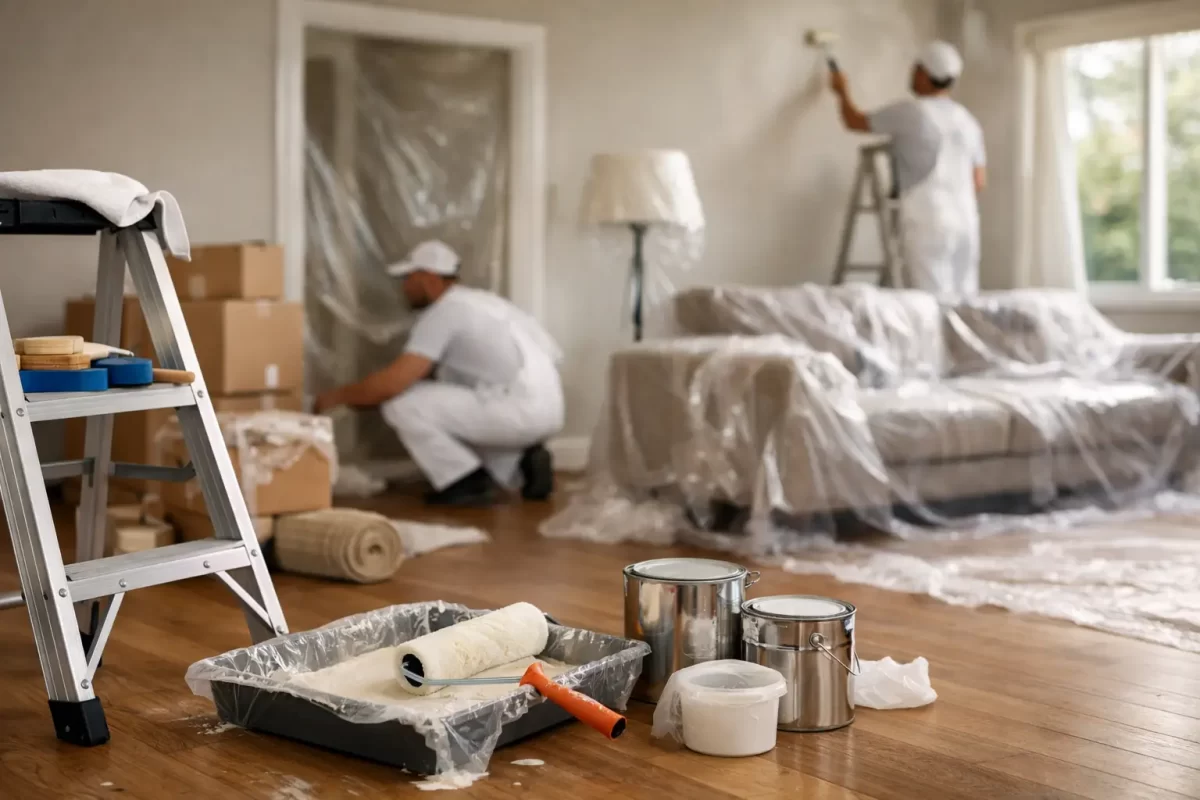
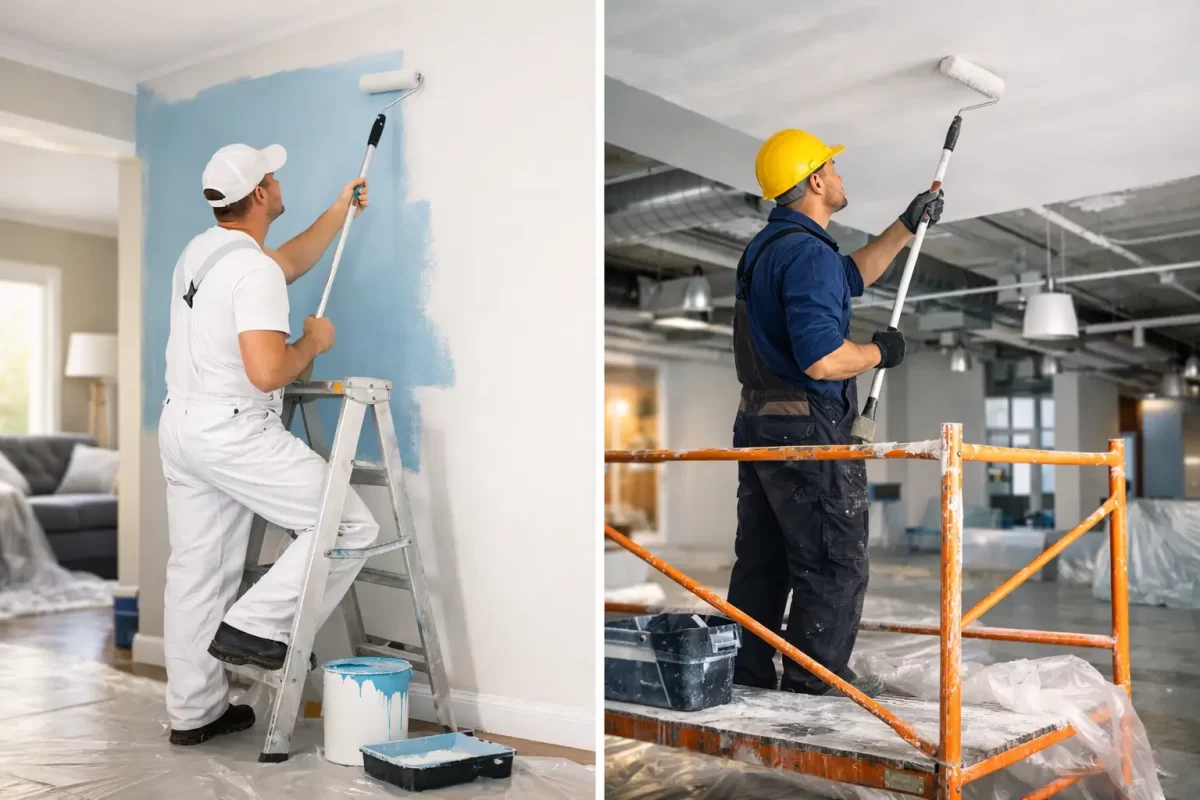
When painters arrive at a home that is clear, accessible and ready to go, the job usually runs faster, cleaner and with fewer interruptions. If you are wondering how to prepare home for painters, the good news is that a bit of planning before the first drop sheet goes down can make a real difference to both the finish and the overall experience.

Good preparation is not about doing the painter’s job for them. A professional team should still handle surface preparation, patching, sanding, masking and protecting work areas as part of the service. What matters on your side is making the space easy to access, protecting the things that are personal or fragile, and removing avoidable delays.

How to prepare home for painters before work starts

The best place to begin is with the rooms being painted. Furniture should be moved out where possible. If larger pieces cannot leave the room, shift them into the centre with enough space around the walls for ladders, sanding tools and safe movement. This gives painters room to work properly and reduces the risk of accidental bumps or dust settling into upholstered items.

Wall décor should also come down before the team arrives. Remove artwork, mirrors, clocks, shelves and anything else fixed to the wall unless you have agreed otherwise with your painter. It is also worth taking down curtain rods, hooks and lightweight fittings if they sit in the immediate work zone. Even when trades are careful, the less clutter on the walls, the smoother the job tends to be.

Smaller items matter too. Clear bedside tables, bookshelves, benchtops and console tables. Lamps, photo frames, plants and breakables are easy to overlook, but they create extra handling and can be damaged if they are left in busy work areas. Pack them away in a spare room, garage or another part of the property that will not be affected.

Protecting floors, valuables and everyday items

Professional painters will normally use drop sheets and protective coverings, but homeowners should still think about what is especially valuable or difficult to replace. If a rug is delicate, roll it up and store it elsewhere. If a room contains electronics, paperwork or sentimental items, move them before work begins rather than trusting that they will stay dust-free in place.

Paint preparation can involve sanding, scraping and patching, and that creates fine dust even with careful containment. Clothes in open wardrobes, pantry items on exposed shelving and toiletries in open bathroom storage can all collect dust if they are left uncovered. In some rooms, simply closing cupboard doors is enough. In others, especially during larger interior works, it is better to remove the contents or cover them.

Flooring needs a practical approach. Timber, tile and vinyl can usually be protected effectively by the painting team, but loose items on the floor should be removed first. That includes floor lamps, baskets, pet beds, children’s toys and anything else that creates obstacles. A clear floor is safer for everyone and helps the painters work efficiently from start to finish.

What to do with walls, nails and damaged surfaces

One question comes up often when discussing how to prepare home for painters: should you remove nails, screws and wall anchors yourself? In most cases, yes, if you no longer need them. Take out what you can and let the painter know which fittings must go back into the same spots later. If there are picture hooks or mounting points you want to keep, mention that before the quote or before work starts.

It is usually best not to start patching holes yourself unless you are confident in the result. DIY filling often looks fine before paint goes on, but once the light hits the finished wall, uneven sanding or shrinkage becomes obvious. A professional painter or plasterer can prepare those areas so the repairs blend properly with the surrounding surface.

If you have noticed peeling paint, water stains, cracks or mould, raise it early. These issues can affect the scope of work and sometimes point to a bigger problem beneath the surface. Water damage, for example, may need to dry fully or be repaired before painting. The earlier these details are discussed, the less chance there is of delays once the project has started.

Access matters more than people expect

A quality finish depends on workmanship, but it also depends on practical access. Make sure painters can get to the property easily, know where to park, and can move tools and materials in without difficulty. For exterior projects, unlock side gates and clear pathways around the house. Trim back plants where needed if they are pressing hard against walls, eaves or fences.

Inside the home, think about which areas need to stay open. If the team is painting hallways, stairwells or entry points, discuss how people will move through the house during the day. In some homes, families can remain in place with only minor adjustments. In others, especially with large interior jobs, it may be easier to stay elsewhere for part of the work. It depends on the scope, the drying times and how comfortable you are with limited room access.

Pets should be planned for as well. Even calm animals can become stressed around strangers, ladders and open doors. Keeping pets in a secure, separate area helps avoid escapes and interruptions. It also makes the site safer for the painting crew.

Cleaning and communication before the first day

Your home does not need to be spotless before painters arrive, but it should be reasonably tidy. Excess dust, grease and general clutter can slow down setup and make surface preparation harder in kitchens, bathrooms and high-use living areas. A basic clean is usually enough, particularly on surfaces near the work zone.

It also helps to confirm practical details in advance. Check which rooms are included, whether ceilings, trims, doors or walls are part of the scope, and if any plaster repairs are scheduled. If colour consultation has been part of the service, make sure final colour choices are locked in before the start date. Last-minute changes can affect timing, product ordering and the flow of the job.

This is also the time to mention anything the crew should know about the property. New flooring, freshly renovated bathrooms, alarm systems, difficult access points or areas that need extra care should be pointed out early. A dependable painting team will appreciate clear communication because it helps them protect the home properly and deliver the right result.

Preparing kitchens, bathrooms and exterior areas

Some parts of the home need a little extra attention. In kitchens, clear benchtops and remove small appliances so there is space to work around splashbacks, walls and trims. In bathrooms, put away toiletries, towels and bath mats. These spaces are often compact, so even a few everyday items can get in the way quickly.

For exterior painting, preparation often extends beyond the walls themselves. Move outdoor furniture, potted plants, barbecues and vehicles away from the immediate work area. If painters need access to garages, driveways or side paths, keep them clear. On the Gold Coast and in Tweed, weather can also affect exterior schedules, so some flexibility may be needed if rain or humidity delays progress.

If you live in a unit or managed property, check whether building access, parking or notice requirements apply. A little admin upfront can prevent frustration on the day.

What not to worry about

Homeowners sometimes feel they need to tape edges, cover everything in plastic or wash every wall before the painter arrives. In most cases, that is unnecessary. A professional crew should take care of masking, covering surfaces and preparing walls correctly as part of the job. Over-preparing can waste your time and occasionally create more work if coverings need to be redone.

The goal is not perfection before the painters begin. The goal is a home that is ready for skilled tradesmen to do their work safely, efficiently and with proper attention to detail. That means clear rooms, easy access, good communication and sensible protection for your belongings.

If you are not sure what to move or what to leave, ask before the start date. A good painting contractor will tell you exactly what helps and what they will handle themselves. That kind of clarity makes the project easier for everyone and usually leads to a better result on the walls.

A well-prepared home sets the tone for the whole job. When the space is ready and expectations are clear, painters can focus on what matters most – delivering a clean, lasting finish that looks right and feels worth the investment.

Categories
Uncategorized

Residential Versus Commercial Painting

A fresh coat of paint can make two properties look equally sharp, but the work behind them can be completely different. Residential versus commercial painting is not just about whether the job is on a house or a business premises. It affects planning, product choice, site access, scheduling, safety requirements and the level of coordination needed to get the result right.

If you are comparing quotes or planning a project, understanding those differences helps you ask better questions and choose the right team for the work. It can also save you from delays, cost surprises and a finish that does not suit the space.

What residential versus commercial painting really means

Residential painting covers homes, townhouses, units and other living spaces. The focus is usually on presentation, comfort and long-term wear in day-to-day family life. That might mean repainting interiors, refreshing exteriors, repairing plaster before painting or getting support with colour selection so the final look suits the home.

Commercial painting applies to offices, retail spaces, strata common areas, hospitality venues, warehouses and other business or public-use properties. In these settings, the work often has to fit around staff, customers, tenants or operational hours. The appearance matters, but so does minimising disruption and meeting practical site requirements.

On the surface, both involve preparation, painting and finishing. In practice, the demands are often very different.

The biggest differences between home and business projects

The main difference is scale, but scale is only part of the picture. A residential project is often more personal. Homeowners are thinking about how rooms feel, how colours change with natural light and whether trades will treat the property with care. Communication matters because people are living in the space and want to know what is happening each day.

A commercial project tends to be more operational. Business owners and property managers are looking at timelines, access windows, safety controls, durability and whether the site can keep functioning during the works. They may also need a painter who can coordinate with other trades, building managers or fit-out schedules.

That means the same painting skill set is not enough on its own. The job also calls for the right systems, planning and site approach.

Surface preparation is rarely identical

In homes, preparation often involves patching dents, sanding trim, fixing minor plaster issues and protecting furniture, flooring and personal items. The goal is a clean, polished finish that holds up under everyday use.

In commercial settings, preparation may be more varied. There can be larger wall areas, higher traffic damage, grease or grime build-up, older coatings, access equipment and stricter site conditions. A warehouse wall, retail tenancy and office reception all need different preparation methods if the finish is going to last.

This is where experience matters. Good painting is never just about applying paint. The result depends on how well the surface has been repaired, cleaned and primed before the first top coat goes on.

Product selection changes with the environment

A family home and a busy commercial site do not wear paint in the same way. In residential interiors, clients often want low-odour products, washable finishes and colours that suit the style of the home. Bedrooms, living areas, kitchens and exteriors all have different performance needs.

Commercial properties usually need coatings chosen for durability first. High-traffic walls, shared amenities, shopfronts and workspaces may call for harder-wearing finishes that can handle repeated cleaning and general wear. In some settings, low-sheen may be preferred for a refined look, while in others a more practical finish makes better sense.

There is no single best product for every project. The right choice depends on how the space is used, how often it is cleaned and what sort of appearance the property needs to present.

Scheduling is one of the biggest practical differences

In most homes, painters can work during standard daytime hours as long as the occupants know what to expect. There may be some room-by-room planning to keep the household functioning, especially during interior work, but the site is usually more straightforward to access.

Commercial painting often works to tighter constraints. Some jobs need to happen after hours, on weekends or in stages so the business can keep operating. An office may need minimal interruption during work hours. A retail shop may only allow access outside trading times. A strata property may need notice periods and coordination with residents.

This can affect cost, timeframe and labour planning. It is one of the clearest examples of why residential versus commercial painting should not be treated as interchangeable when comparing quotes.

Safety, compliance and access can add complexity

Home projects still require safe, careful work practices, especially for exterior painting or multi-level homes. But commercial sites often involve another layer of complexity. There may be formal site inductions, access rules, height equipment, restricted areas or other contractors working nearby.

That does not mean commercial work is always more difficult. Some office interiors are quite straightforward. But it does mean commercial painters need to be comfortable operating within site procedures and keeping the project organised from start to finish.

For property owners, this is worth checking early. A painter may be excellent in homes but not set up for larger or more regulated sites. The reverse can also be true. A team used to broad commercial work may not always bring the same level of detail and care expected inside an occupied home.

Expectations around finish are different, but quality still matters

Residential clients are usually highly focused on detail. They notice cut-in lines, surface smoothness, patched areas, sheen consistency and how colours sit across connected spaces. That is fair enough. In a home, you live with the result every day.

Commercial clients also expect a professional finish, but they may prioritise performance and presentation in a different way. A reception area, showroom or medical suite may require a very polished appearance. A back-of-house area may be more focused on durability and clean coverage than decorative detail.

The point is not that one matters more than the other. It is that quality looks slightly different depending on the setting and purpose of the space.

Cost differences are not always as simple as size

People often assume commercial painting will always cost more because the buildings are bigger. Sometimes that is true, but not always. A compact commercial job with difficult access, staged work and after-hours scheduling can be more complex than a larger residential repaint.

Likewise, a detailed home interior with premium finishes, extensive preparation and careful protection of furnishings may take more labour than expected. Cost usually comes down to the combination of surface condition, access, product selection, timeframe and the amount of coordination required.

That is why clear quoting matters. A proper quote should reflect the actual needs of the project, not just the square metres on paper.

How to choose the right painter for the job

The best painter for your project is not simply the cheapest or the one who can start first. You want someone whose experience matches the type of property, whose preparation standards are clear and whose communication gives you confidence from the start.

For a home, look for a team that respects the space, explains the process properly and can offer practical guidance on finishes and colour choices. For a commercial property, look for a contractor who understands scheduling, site management and how to keep the work moving with minimal disruption.

If your project includes repairs, plastering or advice on presentation, it also helps to work with a team that can manage more than just paint application. That tends to make the process smoother and the final result more consistent.

When the line between residential and commercial starts to blur

Some projects sit in the middle. Strata complexes, home offices, mixed-use properties and renovated investment properties do not always fit neatly into one category. In these cases, the right approach depends on how the space is used, who needs access and what standard of finish is expected.

A good contractor will not force the project into a standard template. They will assess the site, ask the right questions and tailor the work plan to suit the property. That practical approach is often what keeps a straightforward job from becoming a stressful one.

For property owners on the Gold Coast and in Tweed, that local understanding can be especially helpful when exterior conditions, access and project timing all play a part.

Choosing between residential and commercial painting is really about choosing the right method for the building in front of you. When the planning, preparation and finish all match the space, the result lasts longer and feels right from day one.

Categories
Uncategorized

Best Paint Colours for Small Rooms

A small room can feel cramped for reasons that have nothing to do with floor area. Low natural light, heavy colour choices, patchy plaster, and the wrong finish can all make a compact space feel tighter than it is. That is why choosing the best paint colours for small rooms is less about following a trend and more about understanding how light, undertone and surface quality work together.

For most homes, the goal is not to make a small room look stark or washed out. It is to make it feel open, balanced and comfortable to spend time in. The best result usually comes from colours that reflect light well, sit calmly on the walls, and suit the room’s orientation, flooring and furnishings.

What actually makes a small room feel bigger?

Paint cannot change the room’s size, but it can change the way the eye reads the space. Lighter colours tend to bounce more light around the room, which softens shadow lines and helps walls feel less close in. Mid-tones can also work well when they are warm or muted enough to avoid creating visual heaviness.

Contrast plays a big part too. If the walls, trims and ceiling are all sharply different, the edges of the room stand out more. In some spaces that is a good design choice, but in small rooms it can emphasise every boundary. Keeping the palette close in tone often creates a gentler, more spacious feel.

Surface condition matters as much as colour. Uneven walls, dents and poor patching show up more under certain paints, especially when light hits them side-on. A well-prepared surface gives soft colours a cleaner, more expansive look.

Best paint colours for small rooms by colour family

There is no single best shade for every home, but some colour families are consistently reliable in smaller spaces.

Soft whites

Soft whites are a common choice for good reason. They reflect light, feel fresh and suit almost any interior style. The key is choosing a white with the right undertone. A bright, cool white can feel crisp in a well-lit room, but in a darker space it may come across as flat or clinical. A softer white with a warm or neutral base usually feels more comfortable and forgiving.

This is often the safest option for hallways, smaller bedrooms, laundries and compact living areas where you want the room to feel clean and open without being harsh.

Warm neutrals

Warm neutrals such as light greige, soft beige and muted stone colours can be excellent in small rooms. They add more depth than white, but still keep the room airy. They also tend to work well with timber flooring, natural fibres and warmer lighting.

If a room gets limited daylight, warm neutrals can stop it from feeling cold. That said, too much brown or yellow in the undertone can make the space look dated, so balance is important.

Pale grey-greens and sage tones

For homeowners who want a bit more personality, pale grey-greens and soft sage shades can work beautifully. These colours feel calm and easy on the eye, and they can make a room feel settled rather than boxed in. In bedrooms, studies and powder rooms, they often create a more considered finish than plain white.

The trade-off is that green-based shades are more sensitive to lighting changes. What looks soft and subtle during the day can appear dull in the evening if the room has poor artificial lighting.

Light blue-greys

Light blue-greys can make small rooms feel fresh and relaxed, especially in coastal-style homes or bathrooms. Used carefully, they bring a sense of airiness without overpowering the room. In the Gold Coast climate, these cooler tones can feel particularly comfortable in homes that get strong sun for part of the day.

The risk is choosing a shade that turns too cold. In south-facing rooms or darker corners, that can leave the space feeling less inviting.

When darker colours can still work

Not every small room needs to be painted light. In some cases, a deeper shade can make a room feel more intentional and less awkward. This tends to work best in powder rooms, media rooms, guest bedrooms or studies where a cosy feel is part of the brief.

The trick is to commit to the look rather than fighting it. A charcoal-green, deep blue-grey or warm moody neutral can make the walls visually recede when paired with the right lighting and trim treatment. If the room has strong architectural features, darker colours can also add character.

Still, darker paint is less forgiving. It shows plaster imperfections more readily, can absorb light quickly, and needs careful preparation to achieve an even finish. If the aim is to make a room feel larger rather than dramatic, lighter colours are usually the better choice.

The role of natural light and room direction

A colour card never tells the full story. The same paint can look completely different from one room to the next.

North-facing rooms usually handle cooler whites and greys better because they receive steadier natural light. South-facing rooms often benefit from warmer tones that stop the space feeling dull. East-facing rooms can look bright and fresh in the morning, then flatter and cooler later on. West-facing rooms tend to pick up warmer afternoon light, which can intensify creamy or beige undertones.

That is why sample testing matters. Paint a decent-sized section on more than one wall and look at it across the day. A colour that looks right at 10 am might not feel right by evening under warm interior lighting.

Don’t overlook ceiling, trim and finish

Choosing the best paint colours for small rooms is not just about the walls. The ceiling colour, trim colour and paint finish all affect how spacious the room feels.

A lighter ceiling generally helps lift the room. In most homes, keeping the ceiling white or close to white makes sense, particularly where ceiling height is limited. Painting the ceiling and walls in similar tones can also soften the room’s edges.

Trim is more flexible than many people think. Crisp white trim can look neat and classic, but high contrast can make a small room feel more segmented. Using a trim colour closer to the wall colour often creates a smoother, less interrupted look.

Finish matters for practical reasons as well as appearance. Flat or low-sheen paints usually minimise surface imperfections on walls, while semi-gloss or gloss finishes reflect more light but show more flaws. In a small room with less-than-perfect walls, a softer finish is often the smarter choice.

Common mistakes in small rooms

One of the most common mistakes is assuming pure white is always best. It can work, but it is not automatic. In the wrong setting, it can make the room feel cold and unfinished.

Another mistake is choosing paint before considering flooring, cabinetry, tiles and furniture. Small rooms do not have much space to absorb clashing undertones. If the walls lean pink and the flooring leans yellow or grey, the mismatch is usually obvious.

People also underestimate the impact of poor preparation. Cracks, sanding marks and uneven patching can ruin the effect of even the best colour choice. In compact rooms, where walls are close and often viewed from multiple angles, finish quality matters even more.

How to choose the right colour with confidence

Start with the room’s purpose. A small bedroom should feel restful. A home office may need a bit more definition. A bathroom often benefits from cleaner, fresher tones. Once you know how you want the room to feel, narrow your options to two or three colour families.

Next, assess the light honestly. Do not rely on how the room looks on a bright day alone. Consider evening use, lamp light and shadowed corners. Then test your samples on the walls, not just on a loose card.

Finally, think beyond colour charts. The right paint colour can only do its job if the surfaces are sound and the finish is applied properly. That is often where professional advice helps most – not just in choosing a nice shade, but in making sure the final result feels polished and consistent.

For homeowners planning an update, a good painter should be able to guide colour selection, explain what will suit the room, and prepare the surfaces properly before the first coat goes on. That combination makes a real difference in smaller spaces, where every detail is easier to notice.

A small room does not need tricks or trendy colours to work well. It needs a paint choice that suits the light, respects the scale of the room, and is finished with care. Get that right, and even the most compact space can feel settled, brighter and far more usable.

Categories
Uncategorized

How to Choose House Painters Near Me

Typing house painters near me into a search bar is easy. Working out who will actually turn up on time, protect your home and leave a finish that still looks good years later is the harder part.

Painting seems straightforward until the job starts. A wall that looked fine in normal light suddenly shows every patch. An exterior that just needed a freshen-up turns out to have peeling paint, hairline cracks or water damage. This is why choosing a painter should never come down to price alone. What you are really paying for is preparation, product knowledge, clean workmanship and a result that lasts.

What to look for when comparing house painters near me

The first thing worth checking is whether the painter’s service matches the job you actually have. Some teams are suited to quick repaint work, while others are better equipped for full residential repaints, renovations, plaster repairs or detailed finishing. If your project includes more than applying paint, such as patching damaged walls, sanding rough surfaces or helping with colour selection, you need a contractor who can manage the whole process properly.

Experience matters, but it helps to be specific about what that means. A painter with years on the tools should be able to explain how they prepare different surfaces, what products suit high-traffic interiors, and how they approach weather-exposed exteriors. Good tradesmen do not speak in vague promises. They can tell you what needs to be done, why it matters and where shortcuts usually cause problems.

Communication is another clear sign. If it takes days to return a call, if the quote is thin on detail, or if your questions are brushed off, that often carries through to the job itself. Property owners usually want the same things – clear timing, tidy work, realistic expectations and no surprises once work is underway.

A cheap quote can cost more later

It is natural to compare prices. Most people do. But painting quotes are only useful when you understand what is included.

One quote may allow for proper washing, scraping, sanding, patching, priming and two full finish coats. Another may cover only minimal prep and a faster repaint. On paper they can both look like painting services. On the wall, and especially six to twelve months later, they are not the same thing.

This is where many homeowners get caught. The lowest figure can be appealing, particularly during a renovation when every trade is competing for budget. But poor preparation tends to show up quickly. Flaking paint, uneven coverage, visible repairs and inconsistent sheen are common signs that the groundwork was rushed.

A fair quote should set out the scope in plain language. It should give you confidence that the painter has looked closely at the surfaces, not just estimated from the front gate. If there are variables, such as hidden damage or repairs that may grow once old paint is removed, a professional should say so upfront.

The finish starts well before the paint goes on

Preparation is where quality painting is won or lost. Most clients notice the final coat. Skilled painters notice the surface underneath it.

Interior painting often involves more than filling a few nail holes. There may be dents, settling cracks, water marks, old patchwork, glossy surfaces that need sanding, or areas where previous paint has failed. Exterior work can be even more demanding, with sun exposure, moisture, mould, chalking and timber movement all affecting the result.

If a painter talks mostly about getting the colour on quickly, that is worth questioning. Proper preparation takes time, but it is what gives you straight lines, even coverage and a durable finish. It also reduces the risk of problems returning soon after the job is done.

For homes being prepared for sale, renovated for long-term living, or refreshed after years of wear, this matters even more. A smart colour can improve a room, but surface quality is what makes it look professionally finished.

How to judge workmanship before you hire

Reviews and referrals still matter because they reveal how a business works in real conditions, not just how it markets itself. Look for comments about reliability, care taken inside the home, cleanliness and the quality of the finish after completion. Those details usually say more than broad praise.

Photos can help too, but they should not be the only proof point. A good-looking image does not tell you whether the work lasted, whether furniture was protected, or whether the team was easy to deal with. If you are speaking directly with a painter, ask how they manage protection of floors, fixtures and furniture, and what the site is expected to look like at the end of each day.

This is especially important in occupied homes and active workplaces. Most people are not just buying a paint job. They are trusting a team to work respectfully in their space, minimise disruption and keep the project moving.

Why colour advice can make the job easier

Choosing paint colours sounds enjoyable until you are comparing whites that all look identical until they are on the wall. Then the stress starts.

A painter who offers practical guidance can save you a lot of second-guessing. The right advice is not about pushing trends. It is about considering light, room size, existing finishes and the mood you want the space to have. Exterior colour choices also need to suit roofing, brickwork, render and the surrounding streetscape.

Sometimes clients know exactly what they want. Other times they want a professional opinion to narrow the field. Both are fine. The main thing is working with someone who understands that colour selection affects the end result just as much as application does.

For this reason, many property owners prefer a full-service team rather than coordinating separate trades and consultants. If plaster repairs, surface preparation and colour guidance are all handled together, the process tends to be smoother and the finish more consistent.

House painters near me for homes, renovations and commercial spaces

Not every painting project has the same priorities. A family home usually needs careful scheduling, tidy daily clean-up and attention to lived-in spaces. A renovation may need closer coordination with builders, plasterers or other trades. A commercial repaint often places more emphasis on access, timing and keeping the site presentable while work continues.

That is why it helps to choose a painter with a broad enough skill set to adapt. A contractor working across residential and commercial jobs should understand different site demands and how to plan around them. They should also be realistic about timing. Rushed promises can sound good early on, but they rarely lead to better workmanship.

On the Gold Coast and in nearby Tweed areas, exterior painting also has to account for local conditions. Heat, moisture and strong sun can be hard on surfaces, which makes product choice and preparation even more important. A local team with experience in these conditions is often better placed to recommend systems that hold up well over time.

Questions worth asking before you book

Before you accept a quote, it is worth asking a few direct questions. What preparation is included? How many coats are allowed for? Who will be on site? Are patching and minor plaster repairs covered? How will floors, fittings and outdoor areas be protected? What could change the quoted price?

None of this needs to feel confrontational. A professional painter should be comfortable answering clearly. In fact, the better operators usually appreciate clients who want to understand the process.

If you are comparing providers, pay attention to who gives straight answers without overselling. Reliable trades build confidence by being clear, not by promising everything to everyone.

For property owners who want quality work without unnecessary hassle, that balance matters. It is one reason experienced contractors such as Jag Painting Solutions focus not just on painting itself, but on preparation, guidance and respectful service from start to finish.

When you search for the right painter, trust the details that point to care – not just the sales pitch. A well-painted home or business should look better on day one, but it should also feel like the job was handled properly all the way through.

Categories
Uncategorized

Choosing a Painter Surfers Paradise Can Trust

A fresh coat of paint can make a unit feel newer, lift street appeal, or help a commercial space present properly from the moment someone walks in. But hiring a painter Surfers Paradise property owners can rely on is about more than picking a colour and waiting for the job to be done. The real difference shows up in the preparation, the finish, and how well the work holds up over time.

In a coastal area, paintwork takes more punishment than many people expect. Salt in the air, strong sun, moisture, and general wear all put pressure on exterior coatings and even affect interior spaces near windows, balconies, and entry points. That means the right painter is not simply someone who can apply paint neatly. You need an experienced team that understands surfaces, product selection, proper preparation, and how to deliver a finish that still looks good well after the job is complete.

What to expect from a painter in Surfers Paradise

Whether you own an apartment, manage a rental, are renovating a house, or need a commercial repaint, the standard should be the same. You want clear communication, reliable attendance, tidy work habits, and a finish that looks consistent in natural light as well as under indoor lighting.

A quality painter should start by looking closely at the condition of the surfaces. Walls and ceilings might have hairline cracking, old patch repairs, flaking paint, water marks, dents, or uneven plastering that will show through if rushed. Exterior areas may have chalking, peeling, weather damage, or timber trim that needs more attention than the paint itself. Good painting starts before a brush or roller touches the wall.

This is where many jobs go wrong. Some painters quote cheaply by cutting back on preparation, using lower-grade products, or skipping steps that are not obvious on day one. At first glance, the room may look fine. A few months later, patchiness, bubbling, poor adhesion, or visible surface defects start to stand out. Property owners then end up paying twice.

Why preparation matters more than most people think

If you are comparing quotes, preparation is one of the first things worth asking about. It has a direct effect on durability and appearance. Sanding, filling, gap sealing, patch repair, stain treatment, and proper priming all affect the final result.

On older properties, preparation often takes longer than the painting itself. That is not a sign of inefficiency. It is usually a sign the tradesman is taking the finish seriously. Smooth walls, sharp cut-in lines, even sheen levels, and lasting adhesion come from careful groundwork.

There is also a practical side to this. If plastering or surface repair is needed before painting, it makes sense to work with a contractor who can manage both properly. That avoids the stop-start problem of one trade handing over incomplete surfaces to another, which often leads to delays and finger-pointing when defects show up later.

Interior and exterior work are not the same job

People often talk about painting as if it is one service, but interior and exterior work call for different decisions. Inside the home or workplace, the focus is usually on presentation, clean lines, washability, and choosing the right finish for each room. Low-sheen walls, ceiling finishes, enamel or water-based trim systems, and feature colours all need to be considered in context.

Outside, durability becomes even more critical. Surfaces may include rendered walls, weatherboards, eaves, metal features, fences, decking surrounds, or previously painted masonry. Each material needs the right coating system and the right preparation. A painter who understands coastal conditions will know that product choice is not just about appearance. It is about helping the finish cope with heat, UV exposure, and moisture.

For many property owners, the best outcome comes from treating interior and exterior painting as part of the broader presentation of the property. If one area looks tired, it can drag down everything around it. A well-executed repaint can sharpen the whole space without the cost of a major renovation.

How to compare painters without getting caught by a cheap quote

Price matters, but on its own it can be misleading. One quote may include proper surface repair, premium products, masking and protection, and a complete clean-up. Another may only cover basic paint application on surfaces that are not ready. They are not really the same job.

When reviewing a quote, look for detail. Does it explain what preparation is included? Does it identify the surfaces being painted? Does it mention the type of coating system? Is there any clarity around patching, plaster repair, or the number of coats? If the quote is vague, the risk is yours.

It also helps to pay attention to how the painter communicates before the work starts. If they are hard to reach, unclear, or dismissive during quoting, that usually does not improve once the project is underway. A dependable contractor should be straightforward, realistic about timing, and willing to explain the work in plain language.

Colour advice is part of the job, not an afterthought

Choosing colours sounds simple until you are looking at actual walls, flooring, cabinetry, natural light, and existing finishes. A shade that looks right on a swatch can feel too dark, too cool, or too flat once it covers a full room.

This is one reason many clients value guidance rather than being left to guess. An experienced painter can help narrow down practical options based on the style of the property, the amount of light in each area, and the result you want. Sometimes the best choice is not a dramatic change. A cleaner white, a softer neutral, or a better trim contrast can make more impact than a bold feature wall that dates quickly.

For investment properties and commercial spaces, colour decisions are often about broad appeal and easy maintenance. For family homes, warmth, light reflection, and how the rooms connect tend to matter more. There is no single rule. The right choice depends on the property and the purpose.

Respect for your property should be standard

Painting work can be disruptive if it is not handled properly. Furniture may need moving, floors need protection, and some areas may be out of use during the process. For occupied homes and active businesses, that matters.

A professional painter should treat your space with care from the start. That means arriving on time, protecting surfaces properly, keeping the site tidy, and communicating about access, drying times, and any issues that come up during the job. It also means finishing cleanly, not leaving behind drips, dust, tape, or rubbish for the owner to deal with.

This part of the service is often undervalued until someone has had a bad experience with unreliable trades. Good workmanship matters, but so does the way the job is carried out. Most property owners want both.

When it makes sense to repaint

Some repainting projects are obvious. Peeling paint, marked walls, or weathered exteriors are hard to ignore. Other times, the signs are more subtle. A room may feel dull because the finish has faded. An office may look tired even though nothing is technically damaged. A unit prepared for sale or lease may need only a targeted repaint to present far better.

If you are already planning plaster repairs, replacing flooring, updating lighting, or renovating part of the property, painting is usually worth considering at the same time. It often ties the whole project together and gives the clean, finished appearance people notice first.

For commercial properties, presentation also affects customer perception. Scuffed walls, inconsistent finishes, and dated colour schemes can quietly undermine an otherwise well-run business. A fresh repaint is not only cosmetic. It can support how the business is seen.

Finding the right painter Surfers Paradise owners return to

The best painter Surfers Paradise clients choose is usually not the one with the fastest promise or the cheapest figure. It is the one who combines workmanship, honest advice, reliable service, and a finish that lasts. That applies whether the project is a single room, a full exterior repaint, or a larger commercial job.

At Jag Painting Solutions, that approach is simple. Do the preparation properly, use quality products, communicate clearly, and treat the property with respect. For homeowners, renovators, and business owners, that makes the process easier and the result far more worthwhile.

If you are planning painting work, take the extra time to choose a contractor who cares about the result as much as you do. A good paint job changes how a property looks straight away. A well-executed one keeps proving its value long after the brushes are packed up.

Categories
Uncategorized

Warehouse Painters Arundel Property Owners Trust

A warehouse rarely gets the luxury of standing still. Stock keeps moving, staff keep working, forklifts keep running, and every maintenance decision has to fit around the day-to-day demands of the site. That is why choosing warehouse painters Arundel business owners can rely on is not just about finding someone who can apply paint. It is about finding a team that understands access, safety, scheduling, surface preparation, and the kind of finish that will hold up in a hard-working environment.

For warehouse managers and property owners, poor painting work creates more than an untidy look. It can lead to early coating failure, disruption to operations, and a building that presents badly to staff, tenants, and customers. A good result starts well before the first coat goes on.

What warehouse painters in Arundel should understand

Warehouse painting is a different job from painting a standard office or retail tenancy. The surfaces are usually larger, higher, and more exposed to wear. External walls deal with sun, rain and grime. Internal areas can be affected by dust, impact, machinery traffic and changing temperatures. In many cases, there are also loading zones, bollards, roller doors, line marking interfaces and plant areas that need careful treatment.

Experienced warehouse painters in Arundel should understand how these conditions affect product choice and preparation. A low-traffic storage space may only need a straightforward refresh to improve presentation. A busy logistics site with regular forklift movement and loading dock activity will usually demand tougher coating systems and more planning around access.

This is where experience matters. The right approach depends on what the warehouse is used for, what condition the existing surfaces are in, and how much downtime the site can realistically allow.

Preparation is where the finish is won

Most coating failures are not caused by the topcoat itself. They usually come back to poor preparation. If surfaces are chalky, greasy, flaking, damp, rusted or previously coated with incompatible products, the new system will only be as strong as what sits underneath it.

On warehouse projects, preparation often includes pressure cleaning, scraping loose material, sanding, patching damaged areas, treating rust, sealing porous surfaces and priming correctly. Render, masonry, steel and previously painted cladding all behave differently. A one-size-fits-all approach rarely gives a lasting result.

The challenge is that warehouse buildings often show years of practical wear. There may be knocks around door frames, corrosion on structural steel, faded external walls, or internal surfaces marked by pallets and equipment. A careful assessment at the quoting stage makes a real difference because it sets clear expectations about what is needed for a durable finish.

Property owners sometimes focus on the visible coat of paint, which is understandable. But the real value is in the work that happens first. When prep is done properly, the finish looks better and lasts longer.

Choosing coatings for a working warehouse

Not every warehouse needs the most heavy-duty system available, but every warehouse needs a coating system suited to its environment. That balance matters. Overspecifying can push up cost without practical benefit. Underspecifying can mean repainting far sooner than expected.

For exterior warehouse painting, UV resistance, weather protection and colour retention are key considerations. The Gold Coast climate can be hard on external surfaces, especially on large buildings with full sun exposure. Faded or peeling exteriors make a site look tired quickly, even when the business inside is running well.

Inside the warehouse, the right coating depends on use. Walls in low-contact areas may need a washable, durable finish that keeps the space looking clean. Steelwork may require corrosion-resistant primers and topcoats. High-use areas may need tougher systems where impact and abrasion are expected. If hygiene or cleanliness is a priority, the coating also needs to support easier maintenance.

This is one of those areas where shortcuts tend to show up later. Saving on product choice can look fine at handover, then become expensive when surfaces start to wear prematurely.

Minimising disruption matters just as much as the paintwork

A warehouse painting project can affect access, workflow and safety if it is not planned properly. That is why reliable scheduling is such a big part of the job. Business owners do not just need painters who turn up. They need tradesmen who can work around operating hours, coordinate staging sensibly and keep disruption to a minimum.

Sometimes the best solution is to break the work into zones so the site can stay operational. In other cases, after-hours or weekend work may make more sense. It depends on the layout, the nature of the business, and whether the project involves internal or external areas.

Clear communication is critical here. If access equipment is required, if certain bays need to be cleared, or if drying times will affect movement through a space, those details should be discussed early. A smooth project usually comes down to planning just as much as workmanship.

For owners and managers, this practical side of the job is often what separates a stress-free experience from a frustrating one.

Safety is not optional on warehouse sites

Warehouses come with their own safety requirements. There may be vehicle movement, elevated work areas, loading docks, restricted zones and active staff on site at the same time painting is underway. Any contractor working in that environment needs to approach the project with care and structure.

That means proper site assessment, safe work methods, suitable access equipment and a tidy, controlled work area. It also means understanding that painting in an operational warehouse is not the same as painting in an empty shell.

From a client point of view, safety and professionalism often go together. A team that protects surrounding areas, keeps the site organised and respects the way your business operates is usually the same kind of team that takes pride in the finish.

Presentation still counts in industrial spaces

Some owners see warehouse painting as purely protective. Protection matters, but presentation should not be underestimated. A well-maintained warehouse gives a stronger impression to clients, tenants, staff and suppliers. It signals that the property is looked after and that standards are taken seriously.

This can be especially important for mixed-use commercial properties, warehouses with office components, or buildings that support customer visits. Fresh, clean surfaces improve the way the whole site feels. Even simple updates to external cladding, entry points, trims and internal walls can lift the appearance of the property significantly.

If the building is being prepared for lease, sale or a broader renovation, good painting work can also help present the asset more strongly. It is often one of the more visible maintenance upgrades, which means poor execution stands out quickly.

What to ask before hiring warehouse painters Arundel wide

Before committing to a contractor, it is worth asking a few practical questions. Not just about price, but about process. How will surfaces be prepared? What products are being recommended and why? How will the work be staged? What happens if hidden issues are found after the job starts?

You also want to know whether the team has experience in active commercial environments. A lower quote can be tempting, but it does not always reflect the full scope of preparation, access requirements or site protection. If those elements are missed at the start, the project can become more costly and more disruptive later.

A dependable contractor should be able to explain the proposed system in plain terms and give realistic guidance on timeframe, finish and maintenance expectations. That kind of communication builds confidence before the job even begins.

For businesses looking for warehouse painters Arundel property owners can feel comfortable handing a site over to, trust is built through the small things – clear quoting, honest advice, tidy work practices and consistent workmanship from start to finish.

Why a tailored approach gets a better result

No two warehouses are exactly the same. Age, substrate, use, exposure and budget all influence the right painting plan. Some projects need a straightforward refresh to restore presentation. Others need extensive repairs and a more technical coating system to deal with corrosion, wear or weathering.

That is why the best results usually come from a contractor who takes the time to inspect properly, ask the right questions and tailor the scope to the building. A rushed quote based on square metres alone can miss the details that matter most.

At Jag Painting Solutions, that practical, quality-first approach is central to how projects are delivered. Clients want confidence that the job will be handled professionally, the site will be respected, and the finish will stand up to real use. That is as true for warehouse work as it is for any other commercial painting project.

When you are planning maintenance or a repaint, it helps to look beyond the immediate cost and think about the result six months or three years from now. The right preparation, the right products and the right team make that difference. A warehouse does not need fancy treatment, but it does need painting work done properly so the building keeps working as hard as the business inside it.

Categories
Uncategorized

Commercial Painters Arundel Businesses Trust

A tired shopfront, marked office walls or peeling exterior paint can make a business look harder to trust than it really is. That is why choosing the right commercial painters Arundel business owners can rely on is not just about freshening up a space – it is about presentation, durability and keeping disruption to a minimum.

Commercial painting is different from a standard home repaint. The surfaces are often larger, the timelines tighter, and the expectations higher because the work affects staff, customers, tenants and day-to-day trade. A good result needs more than paint on a wall. It takes planning, surface preparation, product knowledge and a team that understands how commercial sites actually operate.

What good commercial painters in Arundel do differently

The best commercial painters in Arundel are not simply fast with a roller. They know how to assess the condition of a building, recommend suitable systems for different surfaces and work around practical site demands.

For an office, that might mean scheduling around business hours and keeping work areas clean and presentable. For a retail space, it could mean minimising odour, protecting fixtures and making sure the finish supports the look of the brand. For strata, warehouses or industrial sites, it often comes down to durability, safety and long-term maintenance rather than appearance alone.

This is where experience matters. Two buildings can look similar from the street but need very different prep and coating systems once the work starts. Render, plasterboard, previously painted masonry, timber trims and metal surfaces all behave differently. If the wrong product goes on, or the prep is rushed, the paint may still look fine on day one but fail much earlier than it should.

Why preparation matters more than most people expect

When owners compare quotes, the temptation is to focus on price first. That is understandable. But commercial painting quotes can vary because one contractor is allowing for proper preparation and another is not.

Surface prep is where a lot of the real work happens. Washing down grime, removing loose paint, repairing plaster, sanding rough areas, sealing stains and priming correctly all affect the finish and how long it lasts. If walls have hairline cracks, water marks or impact damage, painting straight over the top rarely solves the problem.

A neat final coat depends on what sits underneath it. That is especially true in commercial environments where walls get knocked by furniture, trolleys or general traffic. In busy premises, a finish needs to be more than attractive. It has to stand up to use.

Commercial painters Arundel property owners should look for

Not every painting contractor is suited to commercial work. A residential painter may do excellent work in homes but still be the wrong fit for a larger site with deadlines, access requirements and multiple stakeholders.

What you want is a team that communicates clearly from the start. That means turning up to inspect the site properly, asking the right questions and explaining what is included in the scope. It also means being realistic. If repairs are needed before painting, that should be said early. If certain areas require staged access or out-of-hours work, that should be planned rather than improvised halfway through the job.

Professionalism on site matters as much as technical skill. Business owners and property managers notice whether trades arrive when they say they will, protect surrounding areas, keep the site orderly and follow through on agreed timeframes. A painting project may be temporary, but the impression it leaves during the work is very real.

Choosing finishes for appearance and wear

A commercial colour scheme should suit the purpose of the space, not just current trends. In customer-facing businesses, colour affects first impressions. In offices, it can influence how bright, calm or professional the environment feels. In common areas or tenanted properties, the right colours can make maintenance easier and keep the building looking cleaner between repaints.

Finish selection matters too. Very low-sheen finishes can help soften wall imperfections, but they may not be the best option in high-contact areas that need regular cleaning. Higher-sheen products can be more washable, although they also show surface defects more clearly if preparation has been poor.

That is why practical guidance helps. An experienced contractor should be able to advise on where appearance should lead the decision and where durability should take priority. In many commercial settings, the best choice is a balance between the two.

Minimising disruption during a commercial repaint

One of the biggest concerns for business owners is disruption. Lost trading time, access issues and noise can quickly turn a simple repaint into a headache if it is not managed well.

Good planning reduces that risk. Some sites can be painted in stages so trading can continue. Others are better handled after hours, over weekends or during quieter periods. There is no single formula because every workplace runs differently.

The point is that a capable commercial painting team will think beyond the paintwork itself. They will consider how people move through the space, which areas need priority and what protections are needed for floors, furniture, stock or equipment. That sort of planning is often what separates a smooth project from a frustrating one.

Exterior commercial painting has its own demands

Exterior repainting is often where maintenance issues become more visible. On the Gold Coast, sun, humidity, salt in the air and heavy weather can all wear surfaces faster than owners expect. Fading, chalking, blistering and cracking are not just cosmetic problems. They can be signs that the coating system is no longer protecting the substrate properly.

A proper exterior job begins with assessing those conditions, not guessing. Some surfaces need pressure cleaning. Others need patch repairs, gap sealing or treatment of rusted areas before top coats go on. Timing also matters. Weather windows, drying times and product suitability can affect both the schedule and the result.

For commercial properties, exterior painting also has a branding role. The outside of a building sets expectations before a customer walks through the door. A clean, well-finished façade suggests the business pays attention to standards. A worn exterior can suggest the opposite, even when the service inside is excellent.

Why the cheapest quote can cost more later

A lower quote is not always a bad sign, but it should prompt questions. Has the contractor allowed for repairs? Are premium products or budget coatings being used? Is the scope detailed enough to show exactly what is included? Has access equipment been factored in where needed?

Problems usually appear when assumptions are left unspoken. A price may look attractive until variation costs start building or the finish begins to fail early because corners were cut. Repainting commercial premises is not just a material cost. It also involves time, coordination and interruption. Doing it properly the first time is generally the better value decision.

This is one reason many owners and managers prefer to work with tradesmen who are straightforward about the process. Clear quoting, realistic timeframes and honest recommendations build confidence before the first drop sheet goes down.

The value of a full-service approach

Commercial painting projects often involve more than paint alone. Minor plaster repairs, patching damaged walls and preparing uneven surfaces can all be part of getting a professional result. When those services are handled together, the project tends to run more smoothly and the final finish is more consistent.

That is where a team with broader surface-finishing experience can add real value. Instead of treating preparation as a separate problem, they address the wall or exterior as a whole system. If colour guidance is needed, that can also help avoid expensive second thoughts once the job is underway.

For businesses and property owners who want the process handled properly from start to finish, that joined-up approach makes a difference. It is part of why companies such as Jag Painting Solutions focus on workmanship, communication and respect for the property, not just the final coat.

When it is the right time to book commercial painters in Arundel

Many commercial clients wait until a property looks clearly worn before acting, but earlier maintenance can be the smarter move. Repainting before surfaces deteriorate too far often means less repair work, less downtime and a more predictable budget.

Signs to watch for include fading colours, flaking paint, scuffed internal walls that no longer clean up well, staining, cracking around joins and an overall tired look that does not match the standard of the business. In leased premises, a repaint may also be worth considering before inspections, handovers or marketing campaigns.

If you are comparing commercial painters in Arundel, look past promises that sound good in a quote and focus on how the contractor plans to deliver. Good painting work should look sharp on completion, hold up over time and make the process easier for everyone involved. When you choose a team that values preparation, communication and care on site, the result tends to show long after the job is finished.

A commercial space does not need to be flashy to leave the right impression. It just needs to look well maintained, professionally finished and ready for business.

Categories
Uncategorized

Why a Licensed QBCC House Painter Is a Must

A fresh paint job can make a home look sharper, cleaner and more valuable – but only if the work is done properly. That is exactly why a licensed QBCC house painter is a must. When you are trusting someone with your home, your investment and the finish you will live with every day, licensing is not a small detail. It is one of the clearest signs that you are dealing with a professional who takes the trade seriously.

For many property owners, the temptation is to compare quotes and stop there. Price matters, of course, but painting is one of those trades where poor preparation, rushed workmanship and lack of accountability can stay visible long after the invoice is paid. A cheaper quote can become expensive very quickly if the finish fails, the wrong products are used, or the work has to be redone.

Why a licensed QBCC house painter is a must

In Queensland, licensing exists for a reason. It helps set a baseline for who is legally allowed to carry out certain work and gives property owners an added layer of confidence when choosing a contractor. A licensed QBCC house painter is a must because painting is not just about putting colour on walls. Proper painting involves surface preparation, product knowledge, safe work practices, attention to detail and an understanding of how different materials behave over time.

A licensed contractor is also easier to verify. That matters when you are trying to avoid the common headaches that come with unreliable trades – poor communication, patchy quality, delays, mess and a finish that does not hold up. Licensing will not magically guarantee perfection, but it does tell you the painter is operating within the proper framework rather than working outside it.

For homeowners and renovators, that often translates to greater peace of mind. You are not simply hiring someone with a brush and a ladder. You are hiring a trade professional who is accountable for the standard of their work.

What QBCC licensing means for your project

QBCC licensing is especially relevant in Queensland because it connects directly to compliance and consumer protection. If you are engaging a painter for work on your property, it is worth knowing whether the contractor holds the correct licence for the work being quoted.

This becomes even more important when painting is tied to broader renovation or rectification work. A painter may also be dealing with plaster repairs, surface levelling, coating failures, water-damaged areas or prep work that affects the final result. In those cases, experience alone is not enough. You want a business that understands where painting fits within the wider condition of the property.

A licensed painter should also have a clearer grasp of product systems, substrate preparation and what is suitable for internal and external conditions. Queensland homes deal with strong sun, humidity, storms and salt air in many areas. Those conditions are hard on coatings. The right process matters just as much as the right colour.

A good finish starts long before the paint goes on

Most painting problems do not start with the topcoat. They start with poor preparation. Surfaces that are dusty, unstable, greasy, cracked or damp will not hold paint properly, no matter how premium the product is.

An experienced, licensed painter understands this and will usually spend a significant portion of the job on prep. That may include washing down surfaces, sanding, filling, plaster repair, sealing stains, treating flaking areas and using the right primer. None of this is particularly glamorous, but it is where quality is built.

This is one reason quotes can vary so much. One contractor may be pricing a proper system from start to finish. Another may be pricing a quick cosmetic job that looks fine for a few months and then starts to show every shortcut. If a quote seems unusually low, it is worth asking what has been allowed for in preparation and repairs.

The real cost of hiring the wrong painter

When painting goes wrong, the problems are rarely minor. You might see roller marks, uneven coverage, blistering, peeling, overspray, poor edging or visible patching through the final coat. In exterior work, those issues can show up even faster because weather exposure is unforgiving.

There is also the stress factor. If the painter is difficult to contact, fails to turn up as promised or leaves the place untidy, the whole project becomes harder than it needs to be. For occupied homes and active businesses, that disruption matters.

In some cases, the biggest cost is not financial straight away. It is the frustration of having to arrange someone else to fix work that should have been done properly the first time. Repainting because of preventable mistakes means more time, more inconvenience and more money.

What to look for beyond the licence

Licensing matters, but it should not be the only thing you assess. A professional painting contractor should also communicate clearly, explain the scope properly and give you confidence in how the job will be managed.

Look at how they talk about preparation, not just colour. Ask what products they recommend and why. Pay attention to whether they respect your property in the quoting stage, because that often reflects how they will treat your home during the work.

It also helps to ask practical questions. Who will actually be on site? How will furniture, floors and surrounding areas be protected? What happens if hidden surface issues are discovered once the job begins? A reliable contractor will not avoid those questions. They will answer them clearly and without making the process feel complicated.

For many clients, colour guidance is another part of the service that makes a real difference. Choosing the right shade is important, but so is understanding how that colour will sit with light, finishes and the style of the property. A painter who can help with that process adds value well beyond application alone.

Residential and commercial jobs both need proper standards

Homeowners often think licensing is mainly a concern for larger commercial work, but that is not the case. Residential projects deserve the same professionalism. Whether you are repainting a family home, preparing a property for sale, updating an investment or renovating room by room, the standard of workmanship still affects value and presentation.

For business owners, there is even less room for error. Commercial painting often needs to be planned around staff, customers, tenants or trading hours. Delays and poor coordination can have a direct impact on operations. In that setting, a licensed contractor with a reliable process becomes even more important.

The best painting results usually come from teams that are organised, respectful and realistic about timeframes. They know how to prepare properly, keep a site clean and deliver a finish that looks professional when the job is complete.

Why trust and accountability matter

Painting is a trade where trust plays a big part. You may be handing over keys, giving access to private spaces or relying on the contractor to work around your family, tenants or staff. That is why professionalism matters just as much as technical ability.

A licensed painter is not automatically the right fit for every project, but licensing does show a level of accountability that should not be overlooked. Combined with proven workmanship, clear quoting and respectful service, it helps reduce risk for the client.

For property owners on the Gold Coast and in Tweed, that matters even more when homes and buildings are exposed to coastal conditions. Good products and proper application are essential, but so is choosing a contractor who knows how to assess surfaces and recommend the right system from the start.

Jag Painting Solutions understands that clients are not just paying for paint on walls. They are paying for care, preparation, experience and a finish that lasts.

Choosing confidence over guesswork

If you are comparing painting quotes, it is worth slowing down and looking past the final number. Ask whether the contractor is licensed, whether the scope is clear and whether the preparation has been properly considered. Those details often tell you more than the quote total alone.

A licensed QBCC house painter is a must because your home deserves more than a quick once-over. It deserves skilled workmanship, honest advice and a result that holds up after the job is finished. When the painter is qualified, accountable and focused on doing the work properly, the whole experience is usually smoother – and the end result speaks for itself.

When you are ready to repaint, the best starting point is simple: choose the contractor you would feel comfortable trusting with your property, not just the one who promises the fastest or cheapest job.

Categories
Uncategorized

Licensed QBCC Painter and Why It Matters

A paint job can look fine on day one and still turn into an expensive problem six months later. Peeling trim, patchy coverage, poor prep and water-damaged surfaces usually do not come from the paint tin alone. They often come from who was hired to do the work. That is where choosing a licensed QBCC painter and why it matters becomes more than a box to tick.

If you own a home, manage an investment property or are updating commercial premises, licensing is one of the clearest signs that you are dealing with a legitimate trade professional. It will not tell you everything about workmanship on its own, but it does tell you the painter is operating within the right framework for Queensland building work. For clients, that means less guesswork and a better starting point.

What a licensed QBCC painter actually means

QBCC stands for the Queensland Building and Construction Commission. In practical terms, a licensed QBCC painter is a contractor who is properly licensed to carry out relevant building and trade work in Queensland when the job requires it.

That matters because painting is not always just painting. On some projects, surface preparation, repairs, plastering, coatings and building-related work overlap. Residential repaints, renovation work and commercial fit-outs can involve more than applying finish coats. When that happens, you want a contractor who understands the scope of work, the standards expected and the obligations that come with licensed trade work.

For the client, licensing helps cut through one of the biggest risks in this industry – hiring someone who talks confidently but operates informally. Plenty of people can hold a brush. Fewer run a proper business, quote clearly, prepare surfaces correctly and stand behind the result.

Licensed QBCC painter and why homeowners should care

Most property owners are not comparing painters based on trade legislation. They are comparing them based on trust. Will they turn up? Will they protect the floors? Will they help with colour decisions? Will the finish last?

That is exactly why licensing matters. It is part of the trust picture.

A licensed QBCC painter is more likely to approach the work as a professional service, not a cash job. That usually flows through to how the project is quoted, how prep is handled, how defects are addressed and how the site is treated while work is underway. It does not guarantee perfect work every time, but it does show the business is operating with a level of accountability.

For homeowners, that can be especially important during renovations or larger maintenance works. Once painters start, they are in your personal space for days or weeks. You want a team that respects your home, communicates properly and treats the project as more than a quick turnover job.

Why licensing matters beyond the final coat

The best painting results are built before the first coat goes on. Preparation, repairs and product selection all shape the finish and how long it holds up.

That is one reason unqualified or underqualified operators can cost more in the long run. A cheap quote often looks attractive at the start, but if corners are cut on washing, sanding, filling, sealing or moisture treatment, the paint can fail early. Then you are paying for the same walls twice.

A properly licensed contractor is also more likely to understand where painting sits within the wider condition of the property. If a wall has cracking, plaster issues, water staining or failed previous coatings, the answer is not always another coat of paint. Sometimes the surface needs repair first. Sometimes the substrate needs to be stabilised. Sometimes the real issue is moisture ingress or poor ventilation.

That broader view matters because painting is a finishing trade. The finish is only as sound as what sits underneath it.

Workmanship still matters just as much

Licensing is important, but it is not the only thing that should guide your decision. A licensed painter can still be rushed, hard to deal with or average on detail. That is the trade-off clients should understand.

The best choice is usually a licensed contractor with proven workmanship, clear communication and a reputation for treating clients and properties properly. Look for signs of care in how they talk about preparation, cleanliness, scheduling and problem-solving. If they brush off prep or cannot explain their process clearly, that is worth noticing.

Good painters tend to be practical in how they speak about the job. They will tell you what needs repairing, what can be improved, where expectations should be realistic and what finish is best for the space. That sort of guidance is often just as valuable as the painting itself.

What can go wrong when you hire the wrong painter

Most clients who regret a painting job are not upset because a shade looked slightly different in afternoon light. They are upset because the whole experience became harder than it needed to be.

The common problems are familiar. Poor surface prep leaves roller marks, blistering or flaking paint. Inadequate masking and floor protection create damage and mess. Weak communication causes delays and confusion. Vague quotes lead to disagreements over what was included. And when defects appear later, an unprofessional operator can become very difficult to reach.

These risks matter even more on larger homes, renovation projects and commercial spaces where access, timing and coordination affect other trades or occupants. In those situations, reliability is not a bonus. It is part of the job.

How to choose a licensed QBCC painter with confidence

A good hiring decision usually comes down to a few practical checks. First, confirm the contractor is properly licensed for the work being done if the project requires it. Second, look at how they quote. A clear quote should reflect the actual work involved, not just a price with little detail.

Then pay attention to how they discuss preparation. A professional painter should be comfortable explaining what needs washing, filling, sanding, sealing or repairing before painting begins. If colour selection is part of the project, it also helps to work with someone who can guide you based on light, surface type and the feel you want in the room or exterior.

You should also notice how they speak about your property. Respect for the home or workplace is not a small thing. Cleanliness, protection of furnishings, tidy work habits and realistic scheduling all shape the experience from start to finish.

For Gold Coast and Tweed properties, local experience can add real value too. Coastal conditions, humidity and sun exposure can be tough on exterior finishes, so product choice and preparation matter more than many people realise.

Commercial and renovation work needs a steadier hand

On commercial sites and renovation projects, painting often sits within a larger program of works. That changes the standard required from the contractor.

A licensed, experienced painter is usually better placed to work in sequence with plastering, fit-out, repairs and other finishing tasks. They are more likely to understand access constraints, staging, site expectations and how to keep the job moving without sacrificing finish quality.

This is also where a full-service approach becomes useful. If your painter can also manage related surface preparation and finishing work properly, the project tends to run more smoothly. There are fewer gaps between trades, fewer assumptions and less risk of one issue being left for someone else to fix.

The real value is peace of mind

Most clients are not looking for the cheapest painter. They are looking for the safest pair of hands at a fair price.

That is the real answer to licensed QBCC painter and why it matters. Licensing supports confidence. It shows the business takes its responsibilities seriously. Combined with sound workmanship, clear advice and respectful service, it helps protect your property and improves the chance of a result you will still be happy with long after the job is finished.

At Jag Painting Solutions, that standard matters because clients are trusting us with homes, investment properties and business spaces that matter to them. A good paint job should improve the property, not create another problem to chase later.

When you are choosing a painter, look beyond the quote total. The right contractor should make the process feel clear, well managed and worth the investment from the first conversation onwards.