Categories
Uncategorized

How to Choose House Painters Near Me

Typing house painters near me into a search bar is easy. Working out who will actually turn up on time, protect your home and leave a finish that still looks good years later is the harder part.

Painting seems straightforward until the job starts. A wall that looked fine in normal light suddenly shows every patch. An exterior that just needed a freshen-up turns out to have peeling paint, hairline cracks or water damage. This is why choosing a painter should never come down to price alone. What you are really paying for is preparation, product knowledge, clean workmanship and a result that lasts.

What to look for when comparing house painters near me

The first thing worth checking is whether the painter’s service matches the job you actually have. Some teams are suited to quick repaint work, while others are better equipped for full residential repaints, renovations, plaster repairs or detailed finishing. If your project includes more than applying paint, such as patching damaged walls, sanding rough surfaces or helping with colour selection, you need a contractor who can manage the whole process properly.

Experience matters, but it helps to be specific about what that means. A painter with years on the tools should be able to explain how they prepare different surfaces, what products suit high-traffic interiors, and how they approach weather-exposed exteriors. Good tradesmen do not speak in vague promises. They can tell you what needs to be done, why it matters and where shortcuts usually cause problems.

Communication is another clear sign. If it takes days to return a call, if the quote is thin on detail, or if your questions are brushed off, that often carries through to the job itself. Property owners usually want the same things – clear timing, tidy work, realistic expectations and no surprises once work is underway.

A cheap quote can cost more later

It is natural to compare prices. Most people do. But painting quotes are only useful when you understand what is included.

One quote may allow for proper washing, scraping, sanding, patching, priming and two full finish coats. Another may cover only minimal prep and a faster repaint. On paper they can both look like painting services. On the wall, and especially six to twelve months later, they are not the same thing.

This is where many homeowners get caught. The lowest figure can be appealing, particularly during a renovation when every trade is competing for budget. But poor preparation tends to show up quickly. Flaking paint, uneven coverage, visible repairs and inconsistent sheen are common signs that the groundwork was rushed.

A fair quote should set out the scope in plain language. It should give you confidence that the painter has looked closely at the surfaces, not just estimated from the front gate. If there are variables, such as hidden damage or repairs that may grow once old paint is removed, a professional should say so upfront.

The finish starts well before the paint goes on

Preparation is where quality painting is won or lost. Most clients notice the final coat. Skilled painters notice the surface underneath it.

Interior painting often involves more than filling a few nail holes. There may be dents, settling cracks, water marks, old patchwork, glossy surfaces that need sanding, or areas where previous paint has failed. Exterior work can be even more demanding, with sun exposure, moisture, mould, chalking and timber movement all affecting the result.

If a painter talks mostly about getting the colour on quickly, that is worth questioning. Proper preparation takes time, but it is what gives you straight lines, even coverage and a durable finish. It also reduces the risk of problems returning soon after the job is done.

For homes being prepared for sale, renovated for long-term living, or refreshed after years of wear, this matters even more. A smart colour can improve a room, but surface quality is what makes it look professionally finished.

How to judge workmanship before you hire

Reviews and referrals still matter because they reveal how a business works in real conditions, not just how it markets itself. Look for comments about reliability, care taken inside the home, cleanliness and the quality of the finish after completion. Those details usually say more than broad praise.

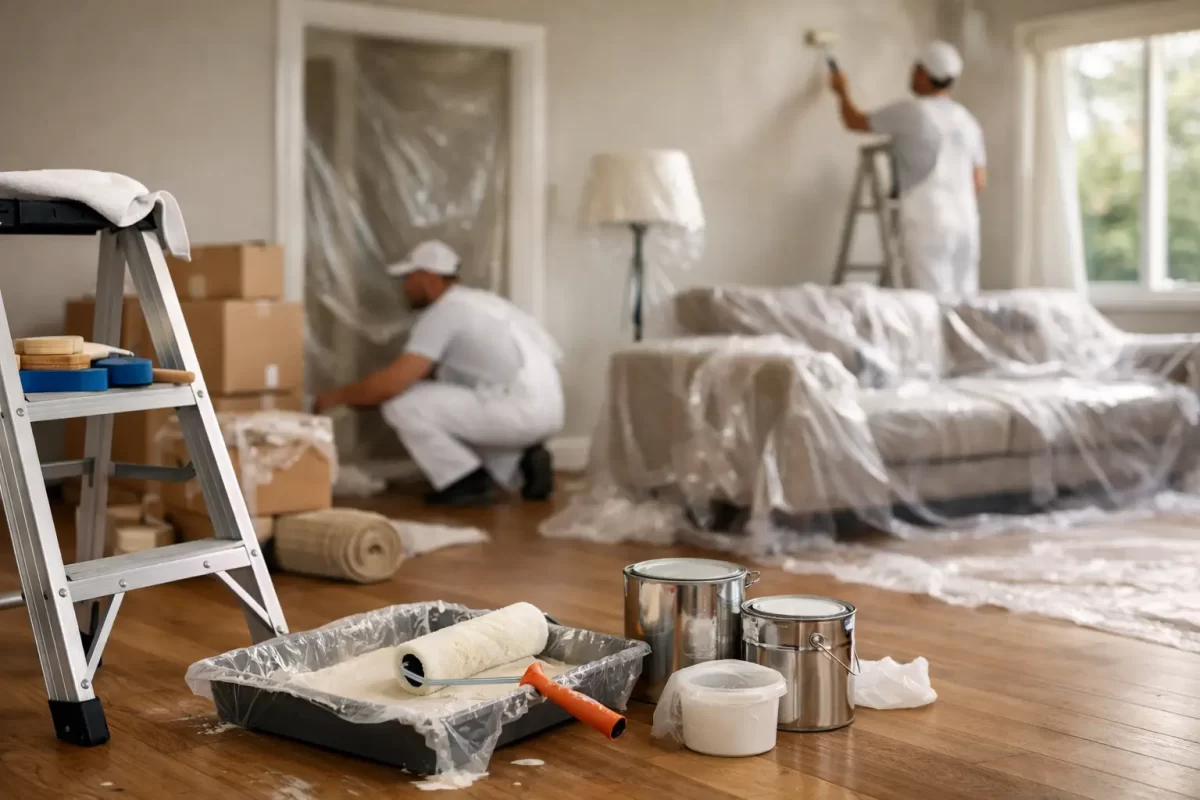
Photos can help too, but they should not be the only proof point. A good-looking image does not tell you whether the work lasted, whether furniture was protected, or whether the team was easy to deal with. If you are speaking directly with a painter, ask how they manage protection of floors, fixtures and furniture, and what the site is expected to look like at the end of each day.

This is especially important in occupied homes and active workplaces. Most people are not just buying a paint job. They are trusting a team to work respectfully in their space, minimise disruption and keep the project moving.

Why colour advice can make the job easier

Choosing paint colours sounds enjoyable until you are comparing whites that all look identical until they are on the wall. Then the stress starts.

A painter who offers practical guidance can save you a lot of second-guessing. The right advice is not about pushing trends. It is about considering light, room size, existing finishes and the mood you want the space to have. Exterior colour choices also need to suit roofing, brickwork, render and the surrounding streetscape.

Sometimes clients know exactly what they want. Other times they want a professional opinion to narrow the field. Both are fine. The main thing is working with someone who understands that colour selection affects the end result just as much as application does.

For this reason, many property owners prefer a full-service team rather than coordinating separate trades and consultants. If plaster repairs, surface preparation and colour guidance are all handled together, the process tends to be smoother and the finish more consistent.

House painters near me for homes, renovations and commercial spaces

Not every painting project has the same priorities. A family home usually needs careful scheduling, tidy daily clean-up and attention to lived-in spaces. A renovation may need closer coordination with builders, plasterers or other trades. A commercial repaint often places more emphasis on access, timing and keeping the site presentable while work continues.

That is why it helps to choose a painter with a broad enough skill set to adapt. A contractor working across residential and commercial jobs should understand different site demands and how to plan around them. They should also be realistic about timing. Rushed promises can sound good early on, but they rarely lead to better workmanship.

On the Gold Coast and in nearby Tweed areas, exterior painting also has to account for local conditions. Heat, moisture and strong sun can be hard on surfaces, which makes product choice and preparation even more important. A local team with experience in these conditions is often better placed to recommend systems that hold up well over time.

Questions worth asking before you book

Before you accept a quote, it is worth asking a few direct questions. What preparation is included? How many coats are allowed for? Who will be on site? Are patching and minor plaster repairs covered? How will floors, fittings and outdoor areas be protected? What could change the quoted price?

None of this needs to feel confrontational. A professional painter should be comfortable answering clearly. In fact, the better operators usually appreciate clients who want to understand the process.

If you are comparing providers, pay attention to who gives straight answers without overselling. Reliable trades build confidence by being clear, not by promising everything to everyone.

For property owners who want quality work without unnecessary hassle, that balance matters. It is one reason experienced contractors such as Jag Painting Solutions focus not just on painting itself, but on preparation, guidance and respectful service from start to finish.

When you search for the right painter, trust the details that point to care – not just the sales pitch. A well-painted home or business should look better on day one, but it should also feel like the job was handled properly all the way through.

Categories
Uncategorized

Choosing a Painter Surfers Paradise Can Trust

A fresh coat of paint can make a unit feel newer, lift street appeal, or help a commercial space present properly from the moment someone walks in. But hiring a painter Surfers Paradise property owners can rely on is about more than picking a colour and waiting for the job to be done. The real difference shows up in the preparation, the finish, and how well the work holds up over time.

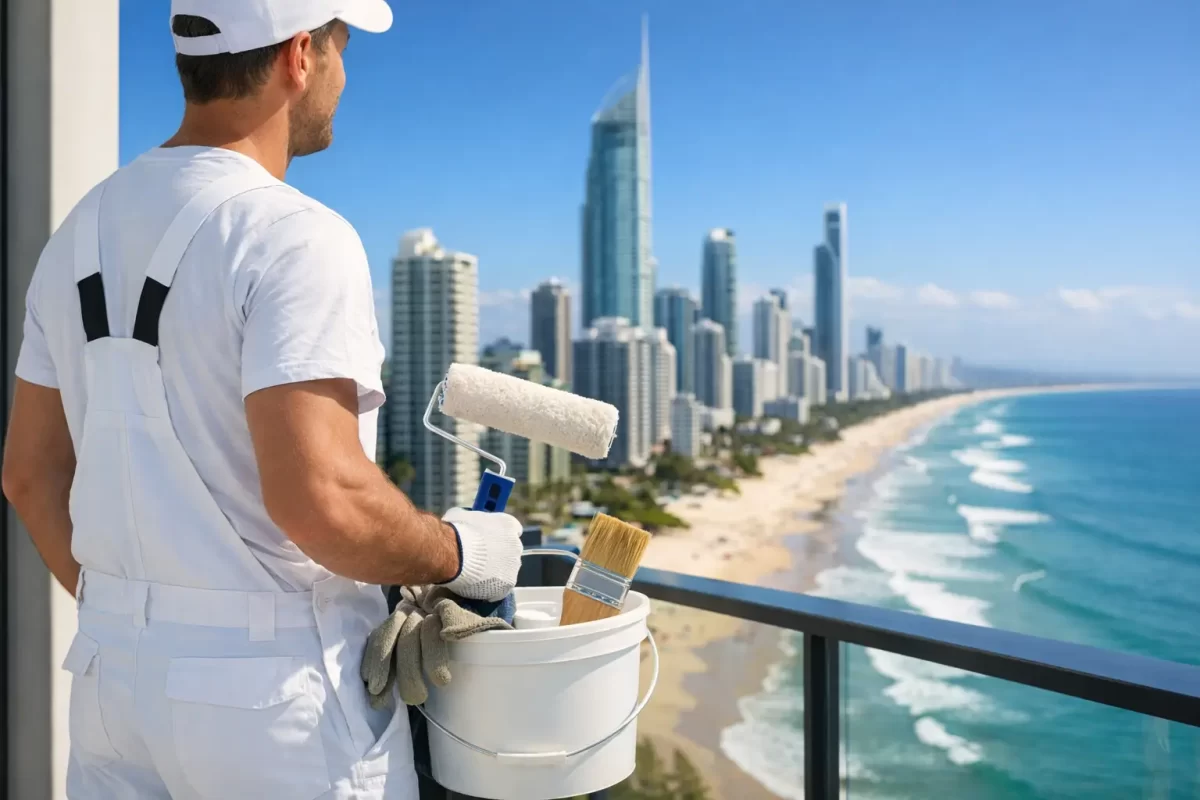
In a coastal area, paintwork takes more punishment than many people expect. Salt in the air, strong sun, moisture, and general wear all put pressure on exterior coatings and even affect interior spaces near windows, balconies, and entry points. That means the right painter is not simply someone who can apply paint neatly. You need an experienced team that understands surfaces, product selection, proper preparation, and how to deliver a finish that still looks good well after the job is complete.

What to expect from a painter in Surfers Paradise

Whether you own an apartment, manage a rental, are renovating a house, or need a commercial repaint, the standard should be the same. You want clear communication, reliable attendance, tidy work habits, and a finish that looks consistent in natural light as well as under indoor lighting.

A quality painter should start by looking closely at the condition of the surfaces. Walls and ceilings might have hairline cracking, old patch repairs, flaking paint, water marks, dents, or uneven plastering that will show through if rushed. Exterior areas may have chalking, peeling, weather damage, or timber trim that needs more attention than the paint itself. Good painting starts before a brush or roller touches the wall.

This is where many jobs go wrong. Some painters quote cheaply by cutting back on preparation, using lower-grade products, or skipping steps that are not obvious on day one. At first glance, the room may look fine. A few months later, patchiness, bubbling, poor adhesion, or visible surface defects start to stand out. Property owners then end up paying twice.

Why preparation matters more than most people think

If you are comparing quotes, preparation is one of the first things worth asking about. It has a direct effect on durability and appearance. Sanding, filling, gap sealing, patch repair, stain treatment, and proper priming all affect the final result.

On older properties, preparation often takes longer than the painting itself. That is not a sign of inefficiency. It is usually a sign the tradesman is taking the finish seriously. Smooth walls, sharp cut-in lines, even sheen levels, and lasting adhesion come from careful groundwork.

There is also a practical side to this. If plastering or surface repair is needed before painting, it makes sense to work with a contractor who can manage both properly. That avoids the stop-start problem of one trade handing over incomplete surfaces to another, which often leads to delays and finger-pointing when defects show up later.

Interior and exterior work are not the same job

People often talk about painting as if it is one service, but interior and exterior work call for different decisions. Inside the home or workplace, the focus is usually on presentation, clean lines, washability, and choosing the right finish for each room. Low-sheen walls, ceiling finishes, enamel or water-based trim systems, and feature colours all need to be considered in context.

Outside, durability becomes even more critical. Surfaces may include rendered walls, weatherboards, eaves, metal features, fences, decking surrounds, or previously painted masonry. Each material needs the right coating system and the right preparation. A painter who understands coastal conditions will know that product choice is not just about appearance. It is about helping the finish cope with heat, UV exposure, and moisture.

For many property owners, the best outcome comes from treating interior and exterior painting as part of the broader presentation of the property. If one area looks tired, it can drag down everything around it. A well-executed repaint can sharpen the whole space without the cost of a major renovation.

How to compare painters without getting caught by a cheap quote

Price matters, but on its own it can be misleading. One quote may include proper surface repair, premium products, masking and protection, and a complete clean-up. Another may only cover basic paint application on surfaces that are not ready. They are not really the same job.

When reviewing a quote, look for detail. Does it explain what preparation is included? Does it identify the surfaces being painted? Does it mention the type of coating system? Is there any clarity around patching, plaster repair, or the number of coats? If the quote is vague, the risk is yours.

It also helps to pay attention to how the painter communicates before the work starts. If they are hard to reach, unclear, or dismissive during quoting, that usually does not improve once the project is underway. A dependable contractor should be straightforward, realistic about timing, and willing to explain the work in plain language.

Colour advice is part of the job, not an afterthought

Choosing colours sounds simple until you are looking at actual walls, flooring, cabinetry, natural light, and existing finishes. A shade that looks right on a swatch can feel too dark, too cool, or too flat once it covers a full room.

This is one reason many clients value guidance rather than being left to guess. An experienced painter can help narrow down practical options based on the style of the property, the amount of light in each area, and the result you want. Sometimes the best choice is not a dramatic change. A cleaner white, a softer neutral, or a better trim contrast can make more impact than a bold feature wall that dates quickly.

For investment properties and commercial spaces, colour decisions are often about broad appeal and easy maintenance. For family homes, warmth, light reflection, and how the rooms connect tend to matter more. There is no single rule. The right choice depends on the property and the purpose.

Respect for your property should be standard

Painting work can be disruptive if it is not handled properly. Furniture may need moving, floors need protection, and some areas may be out of use during the process. For occupied homes and active businesses, that matters.

A professional painter should treat your space with care from the start. That means arriving on time, protecting surfaces properly, keeping the site tidy, and communicating about access, drying times, and any issues that come up during the job. It also means finishing cleanly, not leaving behind drips, dust, tape, or rubbish for the owner to deal with.

This part of the service is often undervalued until someone has had a bad experience with unreliable trades. Good workmanship matters, but so does the way the job is carried out. Most property owners want both.

When it makes sense to repaint

Some repainting projects are obvious. Peeling paint, marked walls, or weathered exteriors are hard to ignore. Other times, the signs are more subtle. A room may feel dull because the finish has faded. An office may look tired even though nothing is technically damaged. A unit prepared for sale or lease may need only a targeted repaint to present far better.

If you are already planning plaster repairs, replacing flooring, updating lighting, or renovating part of the property, painting is usually worth considering at the same time. It often ties the whole project together and gives the clean, finished appearance people notice first.

For commercial properties, presentation also affects customer perception. Scuffed walls, inconsistent finishes, and dated colour schemes can quietly undermine an otherwise well-run business. A fresh repaint is not only cosmetic. It can support how the business is seen.

Finding the right painter Surfers Paradise owners return to

The best painter Surfers Paradise clients choose is usually not the one with the fastest promise or the cheapest figure. It is the one who combines workmanship, honest advice, reliable service, and a finish that lasts. That applies whether the project is a single room, a full exterior repaint, or a larger commercial job.

At Jag Painting Solutions, that approach is simple. Do the preparation properly, use quality products, communicate clearly, and treat the property with respect. For homeowners, renovators, and business owners, that makes the process easier and the result far more worthwhile.

If you are planning painting work, take the extra time to choose a contractor who cares about the result as much as you do. A good paint job changes how a property looks straight away. A well-executed one keeps proving its value long after the brushes are packed up.

Categories
Uncategorized

Warehouse Painters Arundel Property Owners Trust

A warehouse rarely gets the luxury of standing still. Stock keeps moving, staff keep working, forklifts keep running, and every maintenance decision has to fit around the day-to-day demands of the site. That is why choosing warehouse painters Arundel business owners can rely on is not just about finding someone who can apply paint. It is about finding a team that understands access, safety, scheduling, surface preparation, and the kind of finish that will hold up in a hard-working environment.

For warehouse managers and property owners, poor painting work creates more than an untidy look. It can lead to early coating failure, disruption to operations, and a building that presents badly to staff, tenants, and customers. A good result starts well before the first coat goes on.

What warehouse painters in Arundel should understand

Warehouse painting is a different job from painting a standard office or retail tenancy. The surfaces are usually larger, higher, and more exposed to wear. External walls deal with sun, rain and grime. Internal areas can be affected by dust, impact, machinery traffic and changing temperatures. In many cases, there are also loading zones, bollards, roller doors, line marking interfaces and plant areas that need careful treatment.

Experienced warehouse painters in Arundel should understand how these conditions affect product choice and preparation. A low-traffic storage space may only need a straightforward refresh to improve presentation. A busy logistics site with regular forklift movement and loading dock activity will usually demand tougher coating systems and more planning around access.

This is where experience matters. The right approach depends on what the warehouse is used for, what condition the existing surfaces are in, and how much downtime the site can realistically allow.

Preparation is where the finish is won

Most coating failures are not caused by the topcoat itself. They usually come back to poor preparation. If surfaces are chalky, greasy, flaking, damp, rusted or previously coated with incompatible products, the new system will only be as strong as what sits underneath it.

On warehouse projects, preparation often includes pressure cleaning, scraping loose material, sanding, patching damaged areas, treating rust, sealing porous surfaces and priming correctly. Render, masonry, steel and previously painted cladding all behave differently. A one-size-fits-all approach rarely gives a lasting result.

The challenge is that warehouse buildings often show years of practical wear. There may be knocks around door frames, corrosion on structural steel, faded external walls, or internal surfaces marked by pallets and equipment. A careful assessment at the quoting stage makes a real difference because it sets clear expectations about what is needed for a durable finish.

Property owners sometimes focus on the visible coat of paint, which is understandable. But the real value is in the work that happens first. When prep is done properly, the finish looks better and lasts longer.

Choosing coatings for a working warehouse

Not every warehouse needs the most heavy-duty system available, but every warehouse needs a coating system suited to its environment. That balance matters. Overspecifying can push up cost without practical benefit. Underspecifying can mean repainting far sooner than expected.

For exterior warehouse painting, UV resistance, weather protection and colour retention are key considerations. The Gold Coast climate can be hard on external surfaces, especially on large buildings with full sun exposure. Faded or peeling exteriors make a site look tired quickly, even when the business inside is running well.

Inside the warehouse, the right coating depends on use. Walls in low-contact areas may need a washable, durable finish that keeps the space looking clean. Steelwork may require corrosion-resistant primers and topcoats. High-use areas may need tougher systems where impact and abrasion are expected. If hygiene or cleanliness is a priority, the coating also needs to support easier maintenance.

This is one of those areas where shortcuts tend to show up later. Saving on product choice can look fine at handover, then become expensive when surfaces start to wear prematurely.

Minimising disruption matters just as much as the paintwork

A warehouse painting project can affect access, workflow and safety if it is not planned properly. That is why reliable scheduling is such a big part of the job. Business owners do not just need painters who turn up. They need tradesmen who can work around operating hours, coordinate staging sensibly and keep disruption to a minimum.

Sometimes the best solution is to break the work into zones so the site can stay operational. In other cases, after-hours or weekend work may make more sense. It depends on the layout, the nature of the business, and whether the project involves internal or external areas.

Clear communication is critical here. If access equipment is required, if certain bays need to be cleared, or if drying times will affect movement through a space, those details should be discussed early. A smooth project usually comes down to planning just as much as workmanship.

For owners and managers, this practical side of the job is often what separates a stress-free experience from a frustrating one.

Safety is not optional on warehouse sites

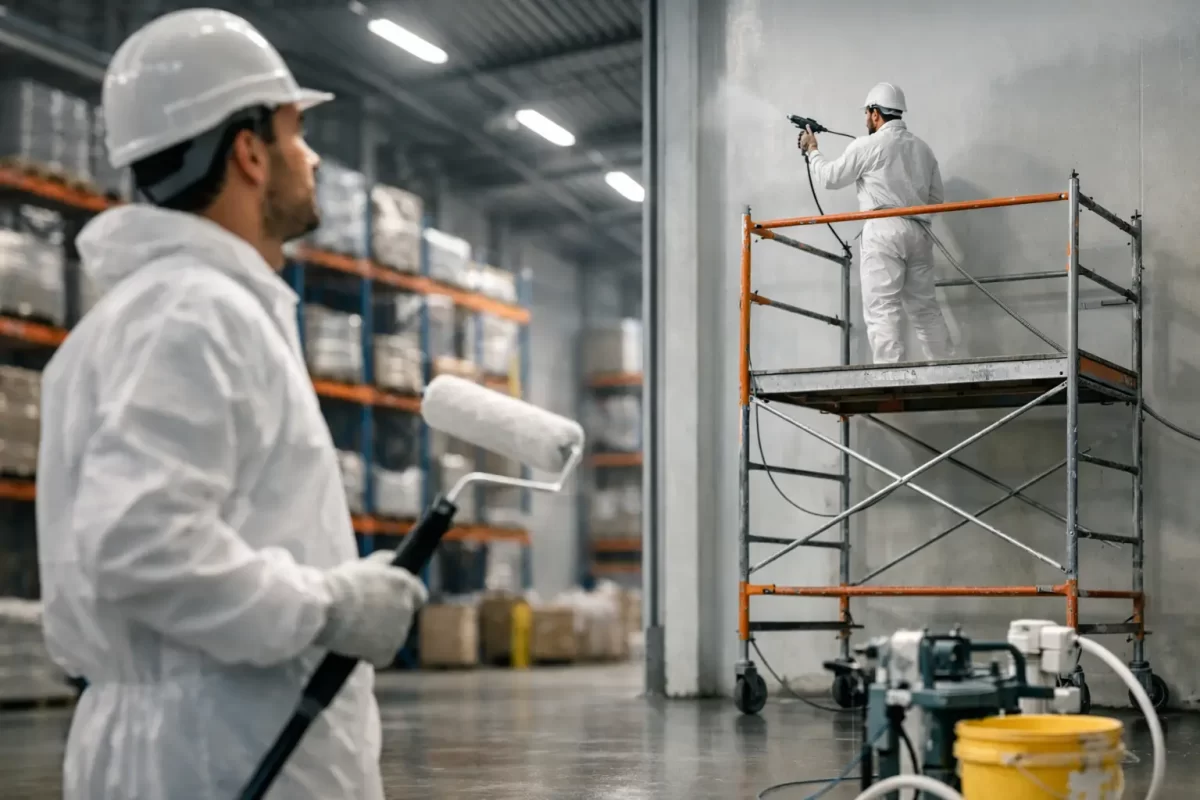
Warehouses come with their own safety requirements. There may be vehicle movement, elevated work areas, loading docks, restricted zones and active staff on site at the same time painting is underway. Any contractor working in that environment needs to approach the project with care and structure.

That means proper site assessment, safe work methods, suitable access equipment and a tidy, controlled work area. It also means understanding that painting in an operational warehouse is not the same as painting in an empty shell.

From a client point of view, safety and professionalism often go together. A team that protects surrounding areas, keeps the site organised and respects the way your business operates is usually the same kind of team that takes pride in the finish.

Presentation still counts in industrial spaces

Some owners see warehouse painting as purely protective. Protection matters, but presentation should not be underestimated. A well-maintained warehouse gives a stronger impression to clients, tenants, staff and suppliers. It signals that the property is looked after and that standards are taken seriously.

This can be especially important for mixed-use commercial properties, warehouses with office components, or buildings that support customer visits. Fresh, clean surfaces improve the way the whole site feels. Even simple updates to external cladding, entry points, trims and internal walls can lift the appearance of the property significantly.

If the building is being prepared for lease, sale or a broader renovation, good painting work can also help present the asset more strongly. It is often one of the more visible maintenance upgrades, which means poor execution stands out quickly.

What to ask before hiring warehouse painters Arundel wide

Before committing to a contractor, it is worth asking a few practical questions. Not just about price, but about process. How will surfaces be prepared? What products are being recommended and why? How will the work be staged? What happens if hidden issues are found after the job starts?

You also want to know whether the team has experience in active commercial environments. A lower quote can be tempting, but it does not always reflect the full scope of preparation, access requirements or site protection. If those elements are missed at the start, the project can become more costly and more disruptive later.

A dependable contractor should be able to explain the proposed system in plain terms and give realistic guidance on timeframe, finish and maintenance expectations. That kind of communication builds confidence before the job even begins.

For businesses looking for warehouse painters Arundel property owners can feel comfortable handing a site over to, trust is built through the small things – clear quoting, honest advice, tidy work practices and consistent workmanship from start to finish.

Why a tailored approach gets a better result

No two warehouses are exactly the same. Age, substrate, use, exposure and budget all influence the right painting plan. Some projects need a straightforward refresh to restore presentation. Others need extensive repairs and a more technical coating system to deal with corrosion, wear or weathering.

That is why the best results usually come from a contractor who takes the time to inspect properly, ask the right questions and tailor the scope to the building. A rushed quote based on square metres alone can miss the details that matter most.

At Jag Painting Solutions, that practical, quality-first approach is central to how projects are delivered. Clients want confidence that the job will be handled professionally, the site will be respected, and the finish will stand up to real use. That is as true for warehouse work as it is for any other commercial painting project.

When you are planning maintenance or a repaint, it helps to look beyond the immediate cost and think about the result six months or three years from now. The right preparation, the right products and the right team make that difference. A warehouse does not need fancy treatment, but it does need painting work done properly so the building keeps working as hard as the business inside it.

Categories
Uncategorized

Commercial Painters Arundel Businesses Trust

A tired shopfront, marked office walls or peeling exterior paint can make a business look harder to trust than it really is. That is why choosing the right commercial painters Arundel business owners can rely on is not just about freshening up a space – it is about presentation, durability and keeping disruption to a minimum.

Commercial painting is different from a standard home repaint. The surfaces are often larger, the timelines tighter, and the expectations higher because the work affects staff, customers, tenants and day-to-day trade. A good result needs more than paint on a wall. It takes planning, surface preparation, product knowledge and a team that understands how commercial sites actually operate.

What good commercial painters in Arundel do differently

The best commercial painters in Arundel are not simply fast with a roller. They know how to assess the condition of a building, recommend suitable systems for different surfaces and work around practical site demands.

For an office, that might mean scheduling around business hours and keeping work areas clean and presentable. For a retail space, it could mean minimising odour, protecting fixtures and making sure the finish supports the look of the brand. For strata, warehouses or industrial sites, it often comes down to durability, safety and long-term maintenance rather than appearance alone.

This is where experience matters. Two buildings can look similar from the street but need very different prep and coating systems once the work starts. Render, plasterboard, previously painted masonry, timber trims and metal surfaces all behave differently. If the wrong product goes on, or the prep is rushed, the paint may still look fine on day one but fail much earlier than it should.

Why preparation matters more than most people expect

When owners compare quotes, the temptation is to focus on price first. That is understandable. But commercial painting quotes can vary because one contractor is allowing for proper preparation and another is not.

Surface prep is where a lot of the real work happens. Washing down grime, removing loose paint, repairing plaster, sanding rough areas, sealing stains and priming correctly all affect the finish and how long it lasts. If walls have hairline cracks, water marks or impact damage, painting straight over the top rarely solves the problem.

A neat final coat depends on what sits underneath it. That is especially true in commercial environments where walls get knocked by furniture, trolleys or general traffic. In busy premises, a finish needs to be more than attractive. It has to stand up to use.

Commercial painters Arundel property owners should look for

Not every painting contractor is suited to commercial work. A residential painter may do excellent work in homes but still be the wrong fit for a larger site with deadlines, access requirements and multiple stakeholders.

What you want is a team that communicates clearly from the start. That means turning up to inspect the site properly, asking the right questions and explaining what is included in the scope. It also means being realistic. If repairs are needed before painting, that should be said early. If certain areas require staged access or out-of-hours work, that should be planned rather than improvised halfway through the job.

Professionalism on site matters as much as technical skill. Business owners and property managers notice whether trades arrive when they say they will, protect surrounding areas, keep the site orderly and follow through on agreed timeframes. A painting project may be temporary, but the impression it leaves during the work is very real.

Choosing finishes for appearance and wear

A commercial colour scheme should suit the purpose of the space, not just current trends. In customer-facing businesses, colour affects first impressions. In offices, it can influence how bright, calm or professional the environment feels. In common areas or tenanted properties, the right colours can make maintenance easier and keep the building looking cleaner between repaints.

Finish selection matters too. Very low-sheen finishes can help soften wall imperfections, but they may not be the best option in high-contact areas that need regular cleaning. Higher-sheen products can be more washable, although they also show surface defects more clearly if preparation has been poor.

That is why practical guidance helps. An experienced contractor should be able to advise on where appearance should lead the decision and where durability should take priority. In many commercial settings, the best choice is a balance between the two.

Minimising disruption during a commercial repaint

One of the biggest concerns for business owners is disruption. Lost trading time, access issues and noise can quickly turn a simple repaint into a headache if it is not managed well.

Good planning reduces that risk. Some sites can be painted in stages so trading can continue. Others are better handled after hours, over weekends or during quieter periods. There is no single formula because every workplace runs differently.

The point is that a capable commercial painting team will think beyond the paintwork itself. They will consider how people move through the space, which areas need priority and what protections are needed for floors, furniture, stock or equipment. That sort of planning is often what separates a smooth project from a frustrating one.

Exterior commercial painting has its own demands

Exterior repainting is often where maintenance issues become more visible. On the Gold Coast, sun, humidity, salt in the air and heavy weather can all wear surfaces faster than owners expect. Fading, chalking, blistering and cracking are not just cosmetic problems. They can be signs that the coating system is no longer protecting the substrate properly.

A proper exterior job begins with assessing those conditions, not guessing. Some surfaces need pressure cleaning. Others need patch repairs, gap sealing or treatment of rusted areas before top coats go on. Timing also matters. Weather windows, drying times and product suitability can affect both the schedule and the result.

For commercial properties, exterior painting also has a branding role. The outside of a building sets expectations before a customer walks through the door. A clean, well-finished façade suggests the business pays attention to standards. A worn exterior can suggest the opposite, even when the service inside is excellent.

Why the cheapest quote can cost more later

A lower quote is not always a bad sign, but it should prompt questions. Has the contractor allowed for repairs? Are premium products or budget coatings being used? Is the scope detailed enough to show exactly what is included? Has access equipment been factored in where needed?

Problems usually appear when assumptions are left unspoken. A price may look attractive until variation costs start building or the finish begins to fail early because corners were cut. Repainting commercial premises is not just a material cost. It also involves time, coordination and interruption. Doing it properly the first time is generally the better value decision.

This is one reason many owners and managers prefer to work with tradesmen who are straightforward about the process. Clear quoting, realistic timeframes and honest recommendations build confidence before the first drop sheet goes down.

The value of a full-service approach

Commercial painting projects often involve more than paint alone. Minor plaster repairs, patching damaged walls and preparing uneven surfaces can all be part of getting a professional result. When those services are handled together, the project tends to run more smoothly and the final finish is more consistent.

That is where a team with broader surface-finishing experience can add real value. Instead of treating preparation as a separate problem, they address the wall or exterior as a whole system. If colour guidance is needed, that can also help avoid expensive second thoughts once the job is underway.

For businesses and property owners who want the process handled properly from start to finish, that joined-up approach makes a difference. It is part of why companies such as Jag Painting Solutions focus on workmanship, communication and respect for the property, not just the final coat.

When it is the right time to book commercial painters in Arundel

Many commercial clients wait until a property looks clearly worn before acting, but earlier maintenance can be the smarter move. Repainting before surfaces deteriorate too far often means less repair work, less downtime and a more predictable budget.

Signs to watch for include fading colours, flaking paint, scuffed internal walls that no longer clean up well, staining, cracking around joins and an overall tired look that does not match the standard of the business. In leased premises, a repaint may also be worth considering before inspections, handovers or marketing campaigns.

If you are comparing commercial painters in Arundel, look past promises that sound good in a quote and focus on how the contractor plans to deliver. Good painting work should look sharp on completion, hold up over time and make the process easier for everyone involved. When you choose a team that values preparation, communication and care on site, the result tends to show long after the job is finished.

A commercial space does not need to be flashy to leave the right impression. It just needs to look well maintained, professionally finished and ready for business.

Categories
Uncategorized

Why a Licensed QBCC House Painter Is a Must

A fresh paint job can make a home look sharper, cleaner and more valuable – but only if the work is done properly. That is exactly why a licensed QBCC house painter is a must. When you are trusting someone with your home, your investment and the finish you will live with every day, licensing is not a small detail. It is one of the clearest signs that you are dealing with a professional who takes the trade seriously.

For many property owners, the temptation is to compare quotes and stop there. Price matters, of course, but painting is one of those trades where poor preparation, rushed workmanship and lack of accountability can stay visible long after the invoice is paid. A cheaper quote can become expensive very quickly if the finish fails, the wrong products are used, or the work has to be redone.

Why a licensed QBCC house painter is a must

In Queensland, licensing exists for a reason. It helps set a baseline for who is legally allowed to carry out certain work and gives property owners an added layer of confidence when choosing a contractor. A licensed QBCC house painter is a must because painting is not just about putting colour on walls. Proper painting involves surface preparation, product knowledge, safe work practices, attention to detail and an understanding of how different materials behave over time.

A licensed contractor is also easier to verify. That matters when you are trying to avoid the common headaches that come with unreliable trades – poor communication, patchy quality, delays, mess and a finish that does not hold up. Licensing will not magically guarantee perfection, but it does tell you the painter is operating within the proper framework rather than working outside it.

For homeowners and renovators, that often translates to greater peace of mind. You are not simply hiring someone with a brush and a ladder. You are hiring a trade professional who is accountable for the standard of their work.

What QBCC licensing means for your project

QBCC licensing is especially relevant in Queensland because it connects directly to compliance and consumer protection. If you are engaging a painter for work on your property, it is worth knowing whether the contractor holds the correct licence for the work being quoted.

This becomes even more important when painting is tied to broader renovation or rectification work. A painter may also be dealing with plaster repairs, surface levelling, coating failures, water-damaged areas or prep work that affects the final result. In those cases, experience alone is not enough. You want a business that understands where painting fits within the wider condition of the property.

A licensed painter should also have a clearer grasp of product systems, substrate preparation and what is suitable for internal and external conditions. Queensland homes deal with strong sun, humidity, storms and salt air in many areas. Those conditions are hard on coatings. The right process matters just as much as the right colour.

A good finish starts long before the paint goes on

Most painting problems do not start with the topcoat. They start with poor preparation. Surfaces that are dusty, unstable, greasy, cracked or damp will not hold paint properly, no matter how premium the product is.

An experienced, licensed painter understands this and will usually spend a significant portion of the job on prep. That may include washing down surfaces, sanding, filling, plaster repair, sealing stains, treating flaking areas and using the right primer. None of this is particularly glamorous, but it is where quality is built.

This is one reason quotes can vary so much. One contractor may be pricing a proper system from start to finish. Another may be pricing a quick cosmetic job that looks fine for a few months and then starts to show every shortcut. If a quote seems unusually low, it is worth asking what has been allowed for in preparation and repairs.

The real cost of hiring the wrong painter

When painting goes wrong, the problems are rarely minor. You might see roller marks, uneven coverage, blistering, peeling, overspray, poor edging or visible patching through the final coat. In exterior work, those issues can show up even faster because weather exposure is unforgiving.

There is also the stress factor. If the painter is difficult to contact, fails to turn up as promised or leaves the place untidy, the whole project becomes harder than it needs to be. For occupied homes and active businesses, that disruption matters.

In some cases, the biggest cost is not financial straight away. It is the frustration of having to arrange someone else to fix work that should have been done properly the first time. Repainting because of preventable mistakes means more time, more inconvenience and more money.

What to look for beyond the licence

Licensing matters, but it should not be the only thing you assess. A professional painting contractor should also communicate clearly, explain the scope properly and give you confidence in how the job will be managed.

Look at how they talk about preparation, not just colour. Ask what products they recommend and why. Pay attention to whether they respect your property in the quoting stage, because that often reflects how they will treat your home during the work.

It also helps to ask practical questions. Who will actually be on site? How will furniture, floors and surrounding areas be protected? What happens if hidden surface issues are discovered once the job begins? A reliable contractor will not avoid those questions. They will answer them clearly and without making the process feel complicated.

For many clients, colour guidance is another part of the service that makes a real difference. Choosing the right shade is important, but so is understanding how that colour will sit with light, finishes and the style of the property. A painter who can help with that process adds value well beyond application alone.

Residential and commercial jobs both need proper standards

Homeowners often think licensing is mainly a concern for larger commercial work, but that is not the case. Residential projects deserve the same professionalism. Whether you are repainting a family home, preparing a property for sale, updating an investment or renovating room by room, the standard of workmanship still affects value and presentation.

For business owners, there is even less room for error. Commercial painting often needs to be planned around staff, customers, tenants or trading hours. Delays and poor coordination can have a direct impact on operations. In that setting, a licensed contractor with a reliable process becomes even more important.

The best painting results usually come from teams that are organised, respectful and realistic about timeframes. They know how to prepare properly, keep a site clean and deliver a finish that looks professional when the job is complete.

Why trust and accountability matter

Painting is a trade where trust plays a big part. You may be handing over keys, giving access to private spaces or relying on the contractor to work around your family, tenants or staff. That is why professionalism matters just as much as technical ability.

A licensed painter is not automatically the right fit for every project, but licensing does show a level of accountability that should not be overlooked. Combined with proven workmanship, clear quoting and respectful service, it helps reduce risk for the client.

For property owners on the Gold Coast and in Tweed, that matters even more when homes and buildings are exposed to coastal conditions. Good products and proper application are essential, but so is choosing a contractor who knows how to assess surfaces and recommend the right system from the start.

Jag Painting Solutions understands that clients are not just paying for paint on walls. They are paying for care, preparation, experience and a finish that lasts.

Choosing confidence over guesswork

If you are comparing painting quotes, it is worth slowing down and looking past the final number. Ask whether the contractor is licensed, whether the scope is clear and whether the preparation has been properly considered. Those details often tell you more than the quote total alone.

A licensed QBCC house painter is a must because your home deserves more than a quick once-over. It deserves skilled workmanship, honest advice and a result that holds up after the job is finished. When the painter is qualified, accountable and focused on doing the work properly, the whole experience is usually smoother – and the end result speaks for itself.

When you are ready to repaint, the best starting point is simple: choose the contractor you would feel comfortable trusting with your property, not just the one who promises the fastest or cheapest job.